If you’re building a white-label NAS, you’re not “just picking a box.” You’re designing a product that has to survive shipping, run cool in a dusty closet, and not blow up your support queue with RMAs.
And yeah, you can DIY a NAS. But the moment you want to sell it—under your brand, in volume, with repeatable quality—you’re in appliance land. That’s where OEM NAS cases and a real chassis partner matter.
Quick map (so you don’t get lost):
- Need a storage-first enclosure? Start with NAS Case
- Need rack deployment? Look at Rackmount Case + Chassis Guide Rail
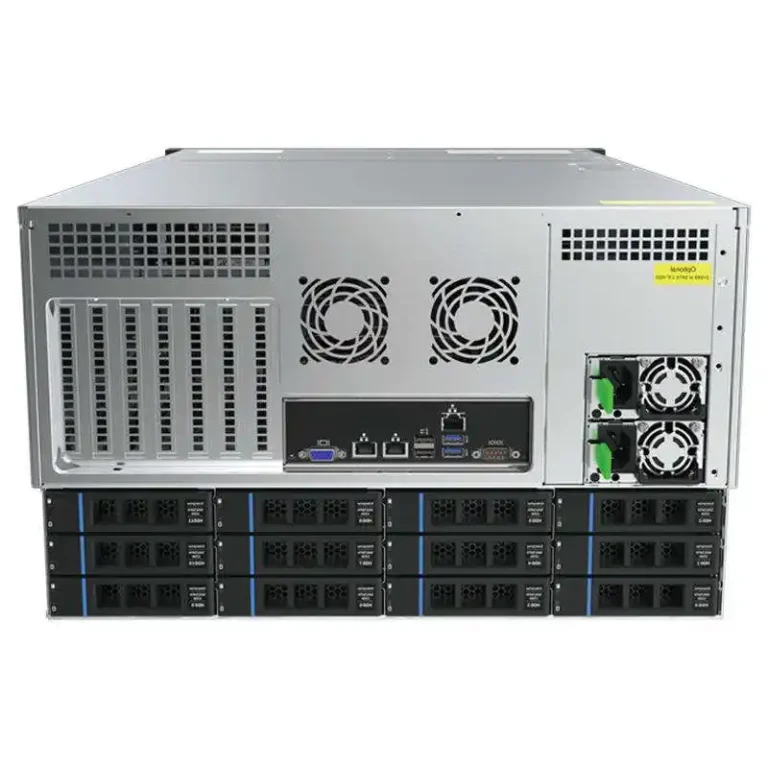
- Need general server chassis options? Server Case
- Need edge installs or weird spaces? Wallmount Case or ITX Case
- Need GPU + storage in one platform? GPU Server Case
- Want custom branding + bulk? OEM/ODM services
Also, if you’re Googling terms like server rack pc case, server pc case, computer case server, or atx server case, you’re already thinking in the right direction. You’re thinking about fit, airflow, and serviceability—not just “will it boot.”
1) White-label NAS value is delivery, not just assembly
A white-label NAS wins when it feels like a finished appliance. Users don’t care that you picked a nice motherboard. They care that the box boots clean, stays quiet-ish, and lets them swap a dead drive without calling you at 2am.
So your real job is: make the experience repeatable. Same thermals. Same cable paths. Same LEDs. Same front panel feel. Same packaging. Same “open it, rack it, done.”
That’s why people lean on OEM NAS cases. It turns a pile of parts into a product.
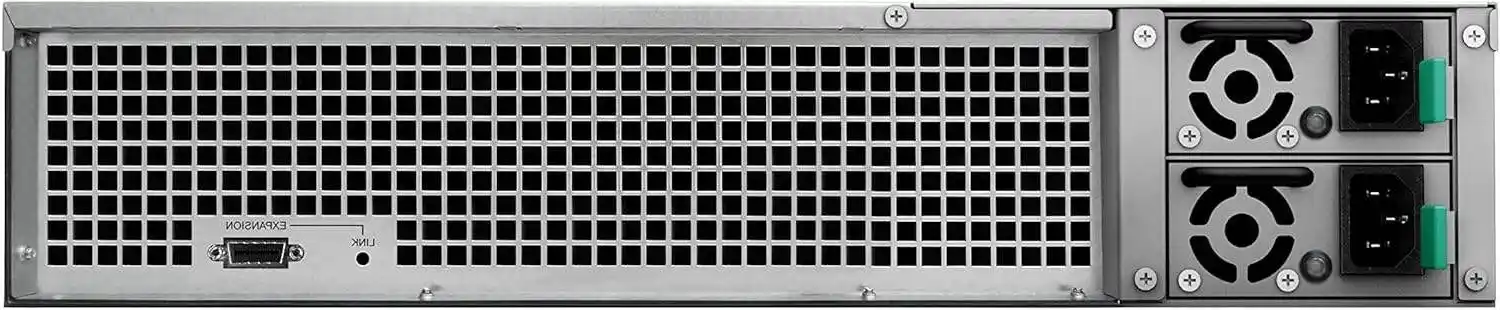
2) OEM/white-label is common; full self-development is the exception
Here’s the blunt truth: most brands don’t build sheet metal from scratch. They source, tune, and ship.
White-label doesn’t mean “cheap.” It means you focus your time on what customers pay for: software, workflow, support, deployment, and the stuff that actually differentiates you.
When you work with a chassis maker like IStoneCase, you can keep your roadmap moving while the enclosure side stays stable. Less chaos. Fewer surprises. Better margins (and fewer angry tickets).
3) DIY NAS appliances are doable, but time and skills become the hidden tax
You can absolutely build a NAS from standard parts. For a lab or a homelab, it’s fun.
For a business product, DIY turns into:
- “Why does this fan curve sound like a hair dryer?”
- “Why is the backplane weird with this HBA?”
- “Why is the front USB board flaky after shipping?”
- “Why are we juggling warranties across five vendors?”
Not impossible. Just… messy. And messy scales badly.
4) Case + drive bay design decides whether it feels like a real appliance
In real life, the chassis becomes your UX. No joke.
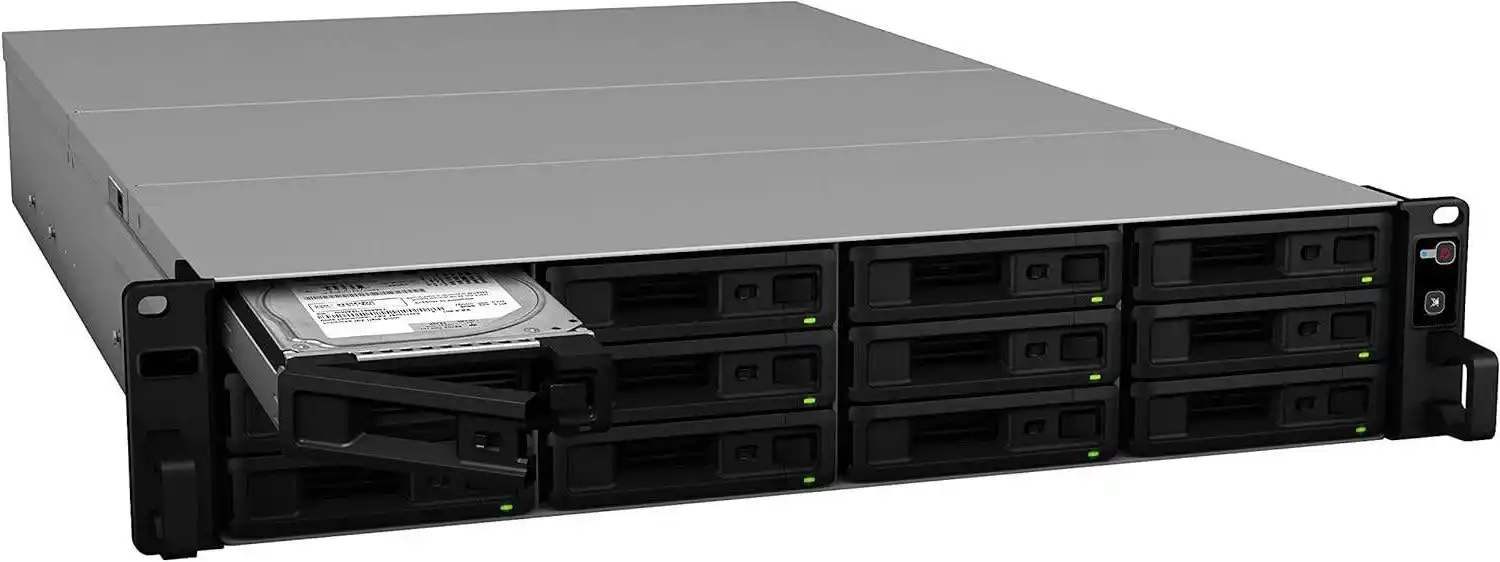
If a tech can’t slide a disk tray smoothly, they’ll yank it. If airflow is sideways in a packed rack, drives cook. If the door flexes, you get vibration and noise. If the cable routing is trash, your assembly line slows down.
So the case isn’t “metal.” It’s your reliability story.
5) Hot-swap drive bays make a white-label NAS feel commercial
Hot-swap is the difference between:
- “Pull tray, replace disk, rebuild starts,” and
- “Unplug SATA, move cables, hope nothing snaps, pray the RAID comes back.”
Even for SMB buyers, hot-swap cuts downtime and lowers support friction. For surveillance and media, it’s basically required.
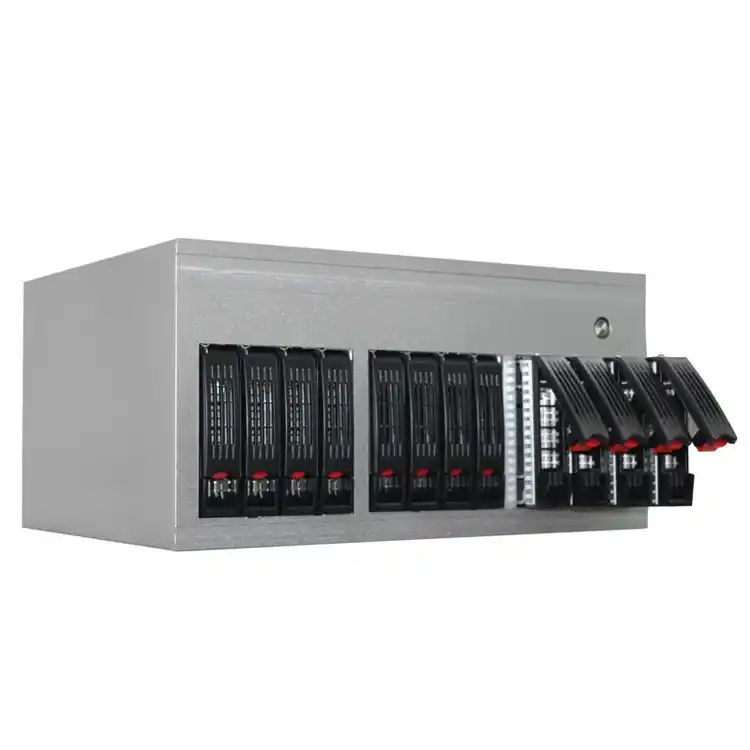
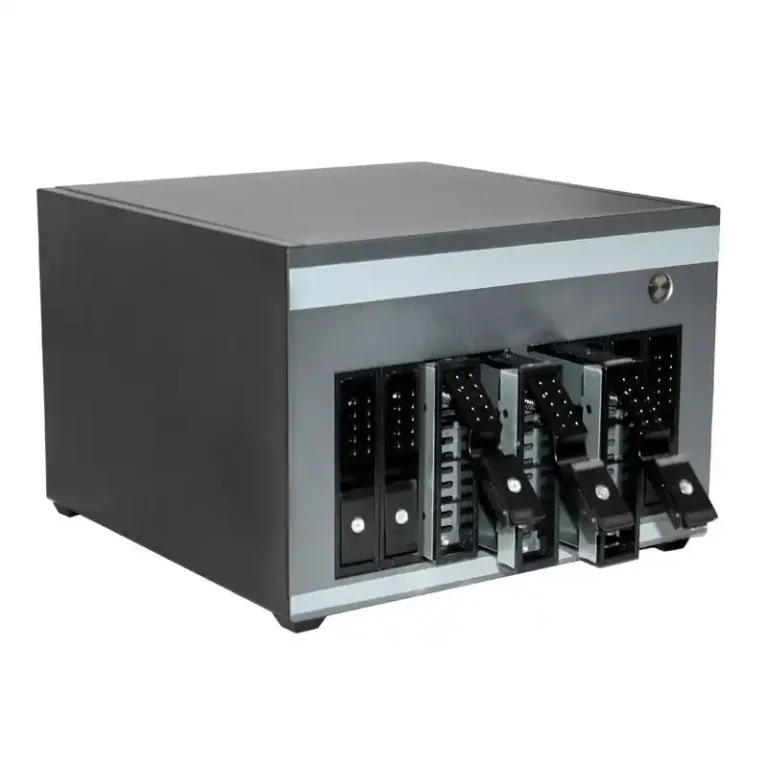
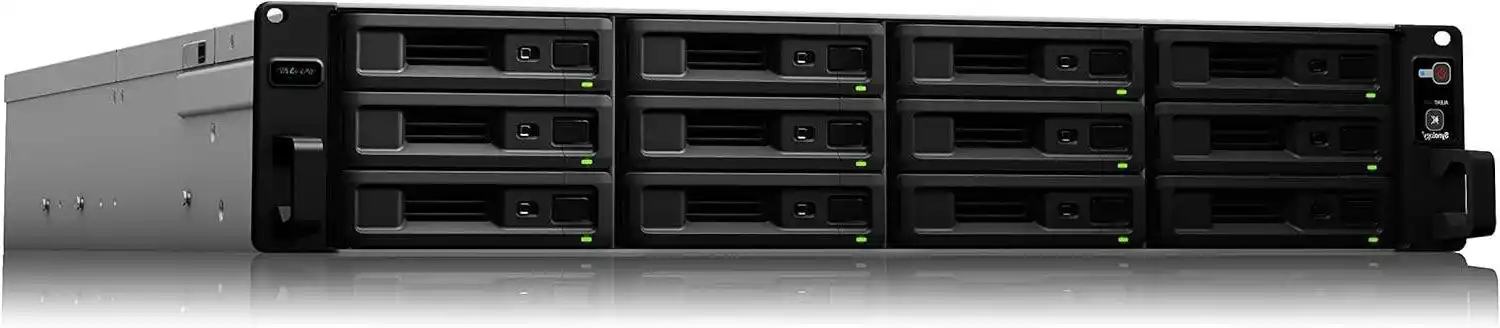
If you’re building a storage platform, start by choosing your bay plan from the NAS Case families (4/6/8/9/12-bay). Then build the rest around service.
Bay count planning table (simple, but it saves you)
| NAS bay count | Best-fit use | What breaks first if you under-size it |
|---|---|---|
| 4-bay | small office backup, small private cloud | rebuild windows get ugly, capacity gets tight fast |
| 6-bay | SMB file share, creative team starter NAS | “just add one more project” becomes a pain |
| 8-bay | VMS-lite, larger team storage, heavier redundancy | IOPS cliff during rebuilds if you cheap out |
| 9-bay | enterprise-ish SMB, mixed workloads | messy expansion if you didn’t plan network + cache |
| 12-bay | higher availability, longer retention, bigger arrays | cooling + cable discipline matter way more |
No hard numbers here on purpose. Your workload decides it. But the pattern stays the same.
6) Tolerance + build quality decides if RMAs eat you alive
This part’s not sexy, but it’s where profits go to die.
If panels don’t align, techs force them. If edges are sharp, you’ll hear about it. If drive trays wobble, vibration gets worse and users call it “bad drives.” If screws strip, assembly time drags. Then you get DOA returns, and your margin evaporates.
So when you spec OEM NAS cases, push for:
- consistent fit (repeatable, not “hand adjusted”)
- clean machining
- predictable tool-less parts (or at least solid captive screws)
This is where a mature OEM/ODM flow helps. Otherwise it’s chaos.
7) DIY/white-label gives more hardware freedom, but it’s not always cheaper
White-label shines because you can tune a platform for your exact customer:
- more bays
- different PCIe layout
- front I/O that matches your workflow
- better thermals for constant load
But don’t assume it’s “always cheaper.” Sometimes you match market pricing. Sometimes you spend more to reduce failure rates. Thats okay. Reliability is a feature, even if people don’t say it out loud.
8) Don’t only compare BOM price. Count time, support, and warranty fragmentation
Your cost isn’t just parts. It’s also:
- assembly labor
- burn-in hours
- packaging damage rate
- support tickets
- RMA turnaround time
- “who owns the failure” when multiple suppliers are involved
If your enclosure partner can provide consistent chassis, options, and bulk supply, you reduce the “random stuff” that wrecks ops.
This is exactly why OEM/ODM buyers ask IStoneCase for stable SKUs, customization, and wholesale runs. It keeps the supply chain boring. Boring is good.
9) To ship an appliance, you must test real workflows (not just benchmarks)
Benchmarks are cute. Customers run workflows.
Test like your users:
- MSP rollout: 20 client backups hit at once. ACLs. Snapshots. Restore drills.
- Surveillance VMS: constant write stream, then sudden playback + export.
- Creative studio: multi-user reads, big files, cache thrash, then a RAID rebuild mid-deadline.
- Edge office: limited power, dusty air, random reboots, “it sits under a desk.”
Do this and you’ll catch the real problems: thermals, fan noise, cabling, backplane quirks, and “why is this tray hard to pull.”
10) Case selection lasts longer than you think, because good enclosures are reusable
Software changes fast. Chassis doesn’t.
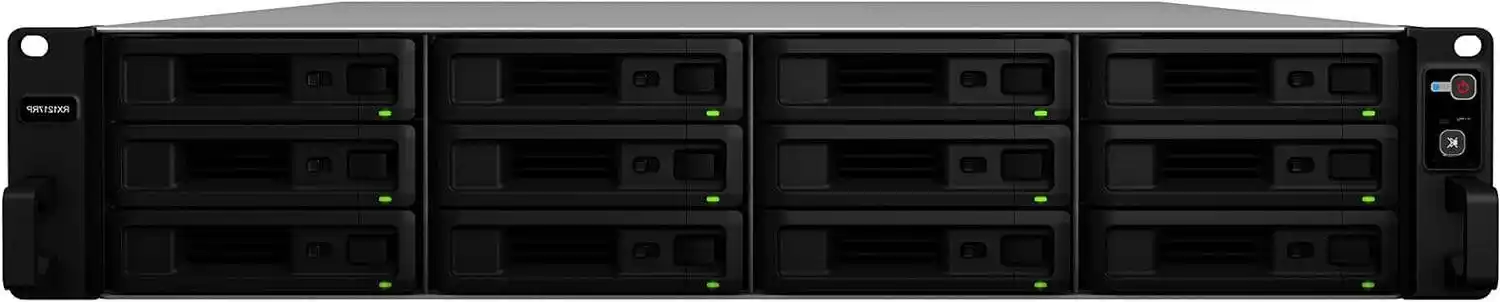
If you pick a solid OEM NAS case platform, you can reuse it for multiple SKUs:
- entry model (same shell, fewer bays populated)
- pro model (same shell, faster NIC, bigger cache)
- vertical market model (same shell, locked front door, rails, different panel)
That’s how you build a family, not a one-off.
Practical build checklist (the stuff that prevents pain later)
| Item | What it solves | What to lock in with your OEM NAS case |
|---|---|---|
| Front-to-back airflow | keeps drives + CPU stable in racks | fan wall options, clear intake path, no weird dead zones |
| Hot-swap backplane | fast service, fewer cable errors | SAS/SATA backplane type, SGPIO/LED behavior, tray quality |
| Tooling + assembly flow | faster builds, fewer mistakes | cable routing space, standard screws, repeatable fit |
| Service access | cuts downtime | top cover access, tray clearance, labeling, front indicators |
| Rails for rack | safe installs, easy swaps | use chassis guide rails that match depth and load needs |
| Front panel UX | “feels like an appliance” | power/ID/reset design, USB placement, lock options |
| Packaging | fewer shipping kills | foam design, drop/impact plan, RMA-friendly box |
Chassis guide rail data (small detail, big uptime)
If you’re shipping a rack unit, don’t treat rails like an afterthought. Rails decide whether an install is smooth or a two-person wrestle.
Here’s a simple rail spec snapshot you can use when scoping rack deployments:
| Rail type | Typical chassis fit | Max load (per pair) | Cabinet depth |
|---|---|---|---|
| 1U–4U L-shaped rail | mixed 1U–4U | 100 kg | 800–1200 mm |
| 1U/2U tool-free rail | 1U–2U | 38 kg | 800–1000 mm |
| 4U tool-free rail | 4U | 70 kg | 800–1200 mm |
(Keep it simple: match your rack depth, then match your weight. That’s it.)
Where IStoneCase fits into a white-label NAS plan
If you’re a reseller, MSP, integrator, or a small brand trying to build a storage appliance line, you need two things: a stable enclosure platform and a customization path.
IStoneCase sits right in that lane:
- broad chassis catalog (NAS cases, rackmount, wallmount, ITX, server cases, GPU cases)
- OEM/ODM customization for branded fronts, bay layouts, rails, and bulk runs
- a product style that’s clearly made for data centers, enterprise rooms, labs, and builders
You don’t need a “perfect” design on day one. You need a platform that lets you ship v1, learn fast, and scale without redoing the metal every quarter.
And honestly, that’s the whole point of building white-label NAS appliances with OEM NAS cases. You’re building something you can sell again tomorrow, not just once today.