IStoneCase — OEM/ODM for GPU servers, storage chassis, and racks
Airflow & Pressure Drop in a Server PC Case (thermal control, fan power, hotspot risk)
If you push more compute into a box, airflow turns into your first bottleneck. In a server pc case, pressure drop builds across inlets, heatsinks, and the fan wall. High backpressure makes fans scream, burns watts, and still leaves DIMMs or VRMs running hot. Custom chassis design fixes the path, not just the symptom.
Reduce pressure drop, stabilize flow (atx server case, 1U/2U, OCP-friendly)
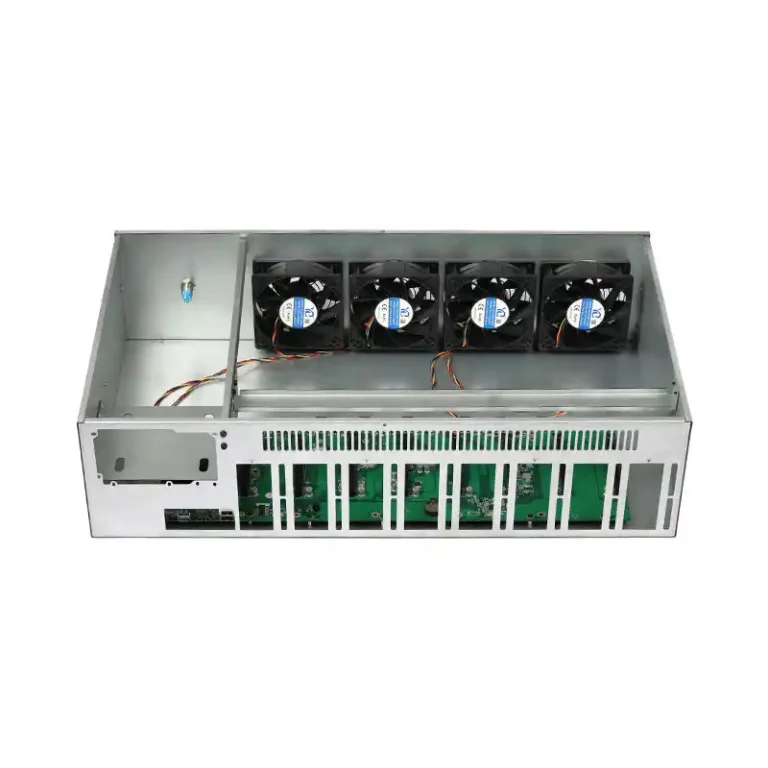
We shape the air path. Baffles, tuned perforation, and heatsink orientation cut turbulence and guide cold air to the right parts. On an atx server case, moving a cross-brace, resizing a grille, or adding a small duct often beats “more fan.” It’s simple: less resistance → lower RPM → fewer hotspots.
Kill the “heat shadow” around memory and VRMs
Hot components shield others from incoming cold air. We break the shadow with low-profile guides and local shrouds. That evens out inlet temps and stops the “one row cool, next row cooking” problem you’ve seen on dense boards.

Sealing, Bypass Air & Containment (bypass control, ΔT, measurement sanity)
Unsealed chassis leak. Bypass air slips around the load, not through it. That wastes CFM and lies to your sensors. With better gasketing, brush strips, slot covers, and blanking control, the computer case server becomes a good citizen in a cold-aisle/hot-aisle setup. You get real ΔT across the rack and less recirculation.
Fan layout and sensor truth
Bad fan placement creates weird recirculation loops. And if the BMC reads a rosy inlet temp that the silicon never sees, your control policy hunts. We line up sensors with the actual stream and compartmentalize the fan wall. Result: steadier curves, fewer alarms, quieter nights.
Liquid-ready Design for GPU Density (cold plates, manifolds, quick-disconnects)
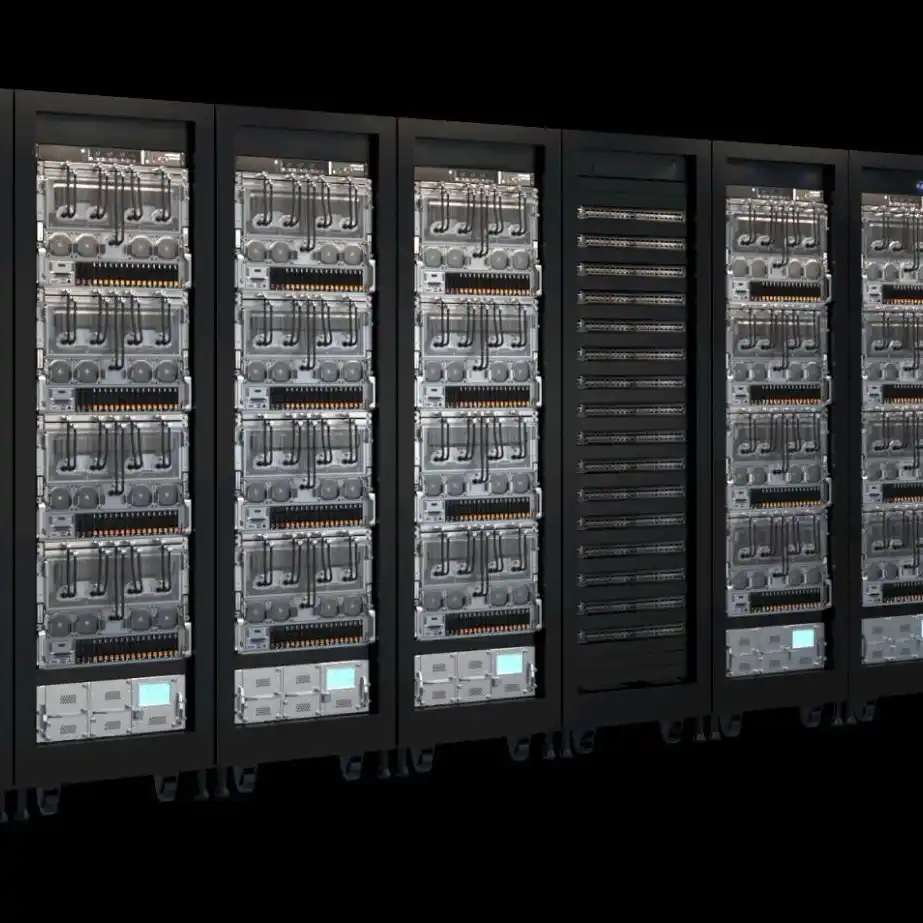
GPUs changed the game. Air alone struggles once you stack accelerators. We pre-plan for liquid in the case itself: cold-plate mounting zones, drip-free quick disconnects, and service-safe manifolds. That lets you ramp TDP without turning the room into a wind tunnel. Fans still do background work, but liquid carries the heavy heat.
Rack-Level Fit & Serviceability (server rack pc case, RU, cable reach)
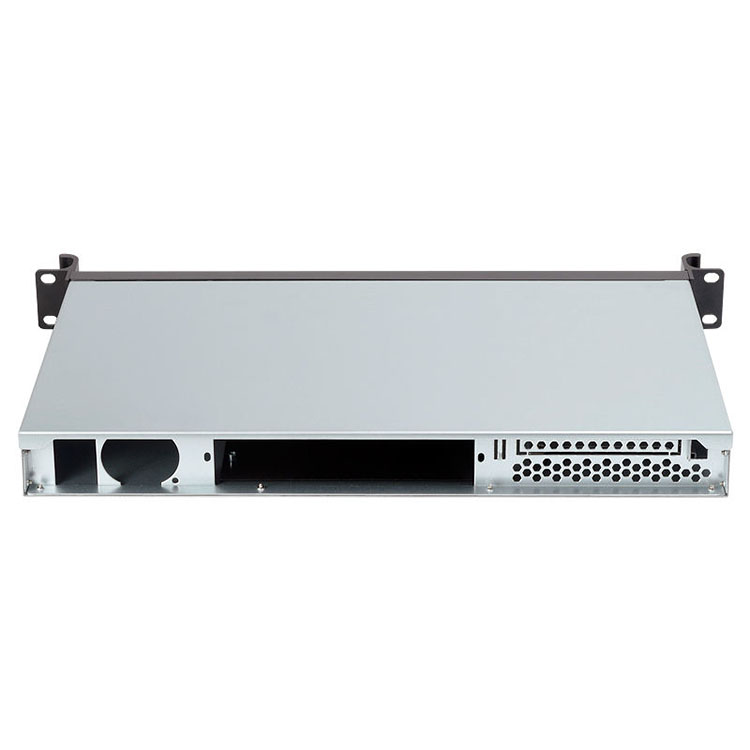
Performance dies if techs can’t service the box. A server rack pc case needs right-hand/left-hand rail options, RDHx clearance, and strain-relieved cable runs you can actually reach. Tool-less lids, tagged harness paths, and slide-out GPU trays don’t just feel nice — they cut MTTR and keep your SLA honest.
What the Data Says (summary table, evidence-based claims)
The table brings together repeatable effects seen in lab/field tests and CFD studies. Exact gains vary by load, layout, and containment.
| Claim (what changes) | Design lever | Typical effect you can expect | Where it helps | Evidence type | Source (no external link) |
|---|---|---|---|---|---|
| Lower pressure drop across the case | Tuned perforation, guide vanes, heatsink orientation | Fans run at lower RPM; hotspots shrink; noise down | 1U/2U CPU boxes; OCP sleds | CFD + bench | Peer-reviewed thermal studies; vendor labs |
| Kill heat shadows near DIMM/VRM | Local shrouds, side ducts | More uniform inlet temps; fewer throttles | Memory-dense builds | Lab thermography | University research; field A/B |
| Cut bypass air & recirc | Gaskets, brush strips, blanking control | Higher useful CFM; better rack ΔT; steadier inlet readings | Mixed-age racks, partial HAC/CAC | Field retrofits | Energy-efficiency programs; DC operators |
| Make fan power scale sanely | Fan-wall partitioning; sensor placement | Less “hunting,” smoother curves; lower average fan watts | Any high-backpressure row | Control loop analysis | ASME conference work; OEM notes |
| Add liquid the right way | Cold plates, manifolds, service loop | Higher TDP headroom without ear-bleed RPMs | GPU pods; AI training racks | Pilot installs + telemetry | OCP technical notes; integrator reports |
| Service faster, fail less | Tool-less access; cable routing; tray design | Lower MTTR; fewer damaged cables/connectors | All high-turn racks | Ops metrics | Data center runbooks |
No magic, just airflow discipline and service-first design. It just works, sorta.
Real-world Use-Cases (not theory — fixes you can ship)
- HPC/AI pod: Fan wall split into two control zones, quick-disconnect liquid stubs pre-installed. When GPUs land, you don’t tear up the rack — you plug in and go.
- Edge closet: Short-depth chassis with front-to-rear isolation and dust filtering. Keeps filters from collapsing the flow.
- Legacy row retrofit: Brush strips, blind plates, and rear cable baffles convert a noisy row into a steady one without touching CRAC setpoints.
- Burst-load SaaS: Sensor map matched to the stream, not “wherever the PCB had room.” Control stops oscillating; fan RPM looks boring again (that’s good).
Commercial Value (why ops and procurement both care)
- Power budget sanity: Lower fan RPM frees headroom for silicon. You spend watts on compute, not air churn.
- Thermal margin: With even inlet temps, the last node in the chain stops being the problem child.
- Service time: Tool-less trays and clean cable paths keep hands-on minutes down. Less downtime, happier SLAs.
- Roadmap-safe: Liquid-ready cases give you a no-regret path as TDP climbs. We ain’t chasing the curve every quarter.
- Bulk-friendly: OEM/ODM flow means one design, many SKUs — consistent QA, easier spares, real scale.
Where IStoneCase Fits (OEM/ODM, bulk orders, fast turn)
IStoneCase builds high-quality server enclosures and storage chassis with thermal first thinking. We supply data centers, algorithm centers, IT service firms, research labs, and builders who need repeatable, customizable gear — at volume.
- Browse our server rack pc case options.
- Explore a flexible server pc case for dense compute.
- Need a small footprint? Check the computer case server form factors.
- Classic layouts? See atx server case variants.
- GPU heavy? Our GPU server case designs bake in airflow and liquid stubs.
- Storage-first builds? Look at NAS devices with proper cooling corridors.
SEO note (human-readable): IStoneCase — The World’s Leading GPU/Server Case and Storage Chassis OEM/ODM Solution Manufacturer. We deliver GPU server cases, rackmount, wallmount, NAS, ITX, and guide rails tailored for performance and durability.
Design Checklist (use this when you spec your next chassis)
- Map inlet → heatsink → exhaust; remove any sharp turns.
- Keep bypass under control: gaskets, brush strips, blanking, cable cut-outs with covers.
- Align sensors with the actual flow path; don’t let the BMC guess.
- Partition the fan wall; let zones follow their own curves.
- Pre-route for liquid: mounting holes, service loop, drip-safe quick-disconnects.
- Plan service: tool-less lids, tagged cables, strain relief, tray handles.
- Leave RDHx or rear-exchanger clearance, plus rail choices that match your rack rules.
Why this works (plain talk, no fluff)
Air wants the straight, low-resistance road. Give it that road and the fans relax. Seal the shortcuts and you make every CFM count. When heat density spikes, hand the big load to liquid and keep air for the rest. None of this is rocket-science, but the details matter. Miss one baffle or a silly leak path and the whole thing feels wrong — you’ve seen that.
Sources behind the claims (for credibility, no external links)
- Peer-reviewed thermal studies on server pressure drop, heat-shadow effects, and fan scaling.
- Open Compute Project technical notes on case/sled airflow and liquid retrofits.
- Field retrofits from energy-efficiency programs showing bypass reduction and ΔT gains.
- ASME-published work on fan placement, sensor alignment, and control stability.
- Integrator pilot builds for GPU pods with manifolds and quick-disconnects.