Edge computing sounds big, but a lot of real work runs on small metal boxes hiding in cabinets, kiosks, and wall boxes.
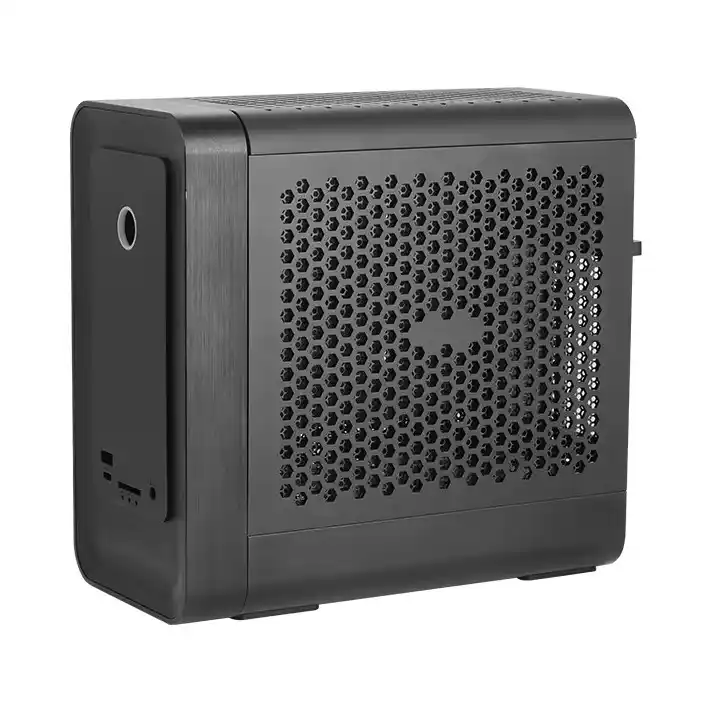
That box is often an industrial ITX server case.
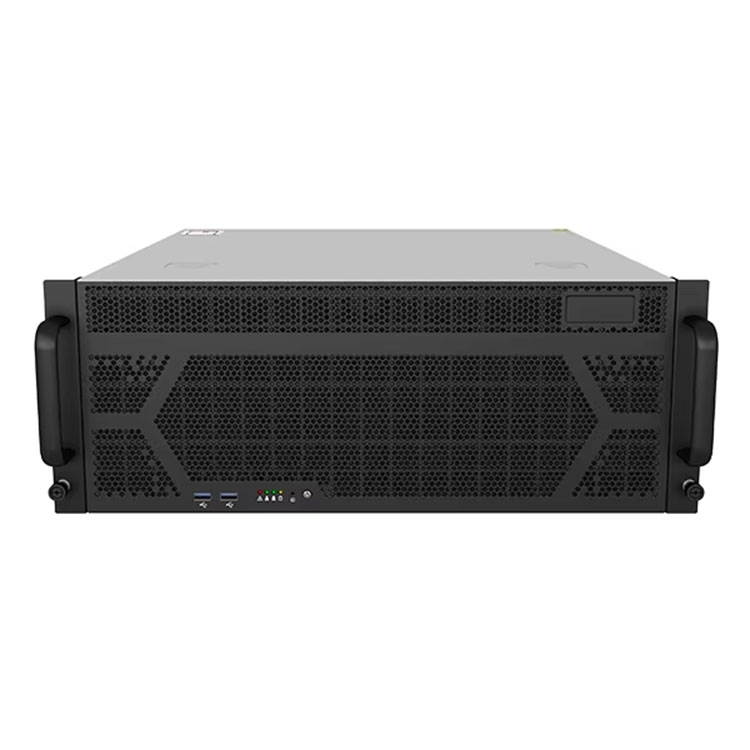
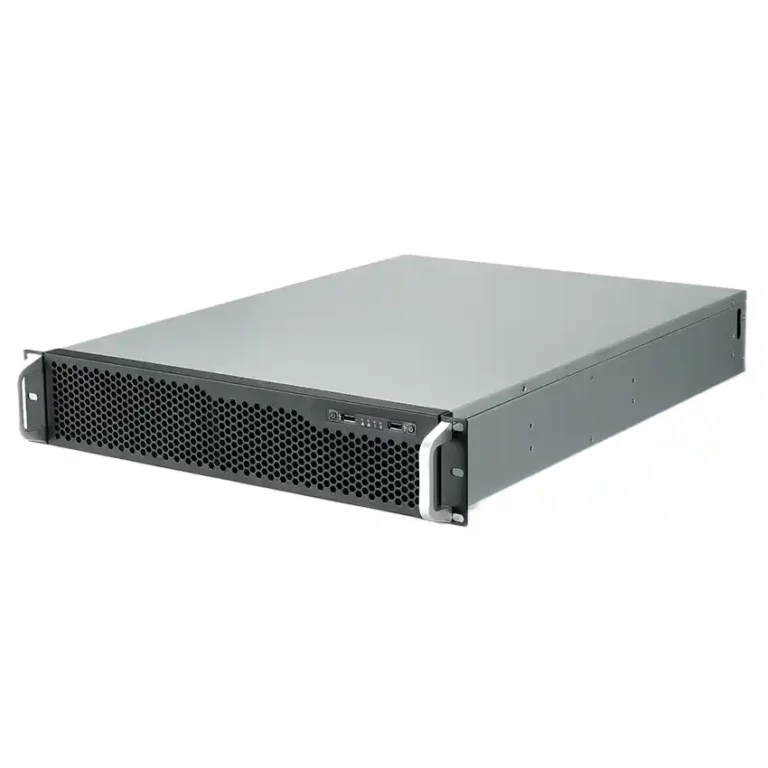
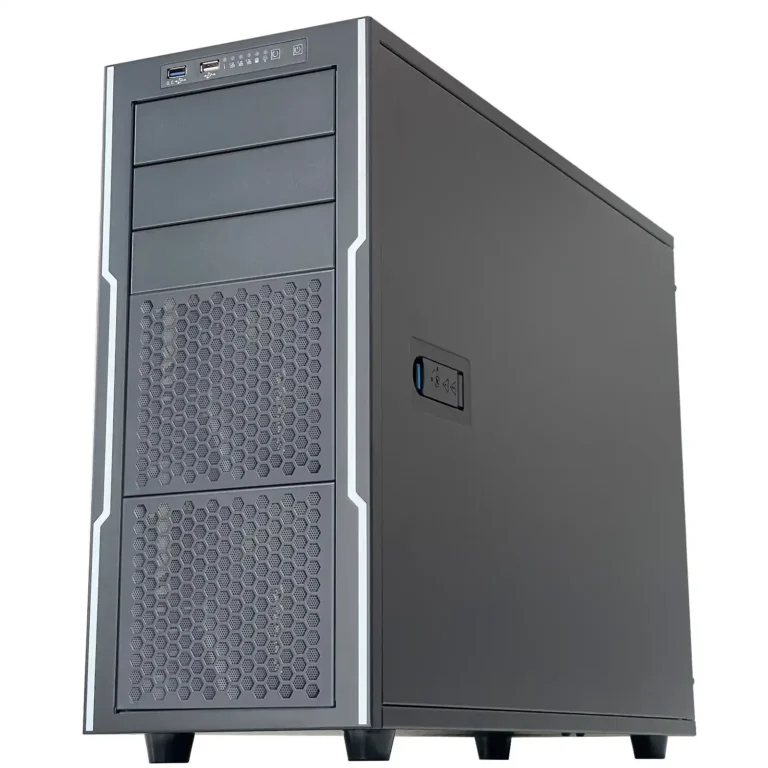
IStoneCase builds this kind of gear every day — from compact ITX case models to heavy GPU server case and full server pc case lines. Here we’ll look at where industrial ITX server cases live in edge deployments, and when you should move up to a bigger server rack pc case or atx server case.
Industrial ITX Server Case Basics for Edge Deployments
Industrial ITX server cases are small chassis built around a Mini-ITX board:
- Footprint about 170 × 170 mm for the motherboard
- Space for one or two SSD/HDDs
- Short-depth layout that can drop into tight boxes
- Metal shell (aluminum or steel) for heat and EMI
- Often FLEX or 1U PSU, one fan, one PCIe slot
Compared with a normal desktop computer case server, an industrial ITX case focuses more on:
- 24/7 uptime than pretty RGB
- Clean airflow instead of fancy plastic front panels
- Mounting options: rack shelf, wall, DIN-rail, inside cabinets
- Easy I/O access so field techs can swap parts fast
You get just enough compute and storage to run local jobs at the edge, without dragging a full rack with you.
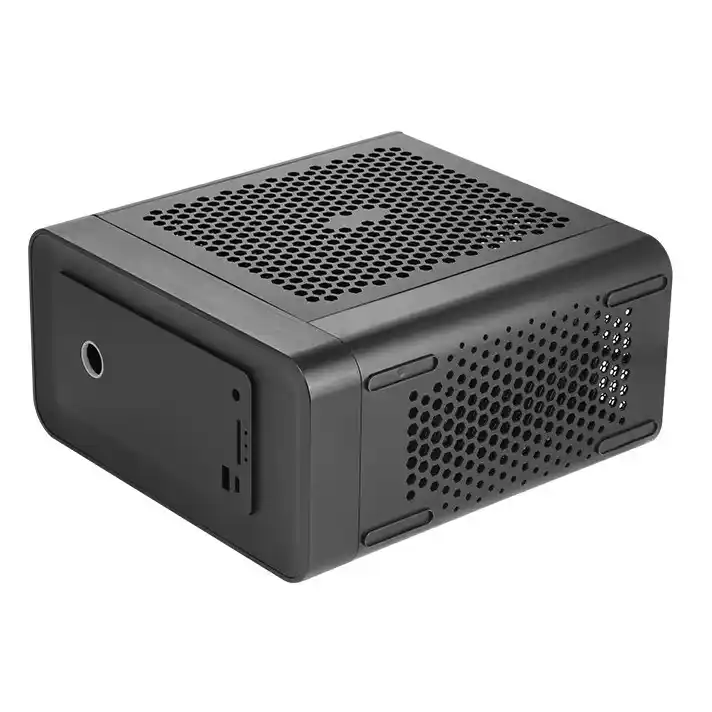
Industrial ITX Server Case for Digital Signage and Kiosk Systems
Think of these use cases:
- Shopping mall wayfinding screens
- Self-ticket kiosks in metro or parking
- Museum or showroom info panels
Behind the screen, space is tiny. You cant drop a full tower there.
Here an industrial ITX server case works well because:
- Short depth – it slides behind a display or inside a slim box
- Low noise – small fan, or even fanless with the right CPU
- Simple BOM – one SSD, one board, one PSU, less to fail
A typical build: Mini-ITX board with 2–3 display outputs, 8–16 GB RAM, one SSD, and a compact ITX chassis like IStoneCase’s slim units.
If you ever scale up to dozens of screens per site, you can still move the content backend into a central server rack pc case in a small room and keep the local ITX box as the player.
Industrial ITX Server Case for IoT Edge Gateway and Data Node
Factories, office buildings, smart farms, power rooms… all of them have lots of sensors and controllers. Sending raw data straight to the cloud is slow and expensive, so teams drop in IoT edge gateways.
An ITX-based gateway in an industrial case can:
- Sit inside a control cabinet next to PLCs and meters
- Speak both OT and IT: serial, Modbus, CAN, plus Ethernet and Wi-Fi
- Buffer days of data on dual SSDs when the uplink is down
- Run protocol translation, simple analytics, even light AI
IStoneCase can tweak the front panel, antenna holes, and mounting brackets for integrators that deploy hundreds of these boxes. OEM/ODM here saves a lot of tape and drilling work for field people, even if they dont say it in nice powerpoint.
Industrial ITX Server Case for NVR, NAS Devices and Local Storage
Edge sites often keep local video and local logs. You dont want to lose camera footage just because a WAN link dropped.
In these nodes, an industrial ITX server case or small NAS devices chassis makes sense:
- 2–4 drive bays for mirrored or striped storage
- Focused airflow over disks
- Room for a low-profile capture card or extra NIC
You can start with a compact ITX box for a shop or small office, then grow into a 4-bay or 8-bay IStoneCase NAS devices model when the camera count goes up.
If later you centralize everything in a data center, you just move to a deeper computer case server with more bays and keep the same vendor and spare parts logic.
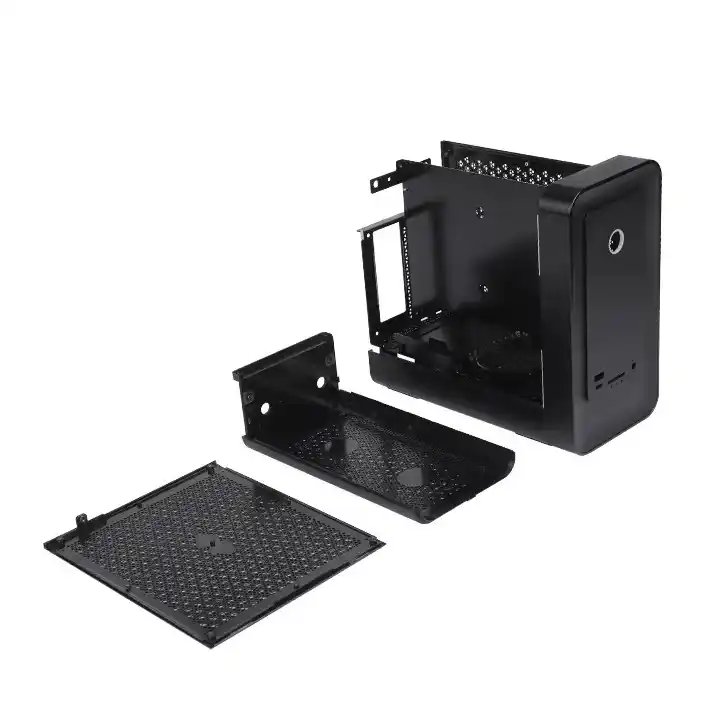
Industrial ITX Server Case for Factory HMI and Control Panels
On the shop floor, operators want the HMI door closed, fans quiet, and hardware out of the way. The PC should not live on the ground where forklifts run.
Industrial ITX server cases fit well:
- They mount behind the HMI panel or in a narrow cabinet
- Front I/O can be routed to the panel for USB, LAN, and service ports
- Metal body deals better with vibration and dust than a plastic office case
A simple HMI build: low-TDP CPU, small SSD, one fan, thin Mini-ITX case.
It’s not fancy, but it boots when the line starts, and when a tech needs to swap it at 3 a.m., the screw pattern and cable paths are always the same. That’s the boring stuff that really saves downtime.
Industrial ITX Server Case for Retail POS and Self-Checkout
At the checkout, there is no room. You have scanner, scale, card reader, customer display, maybe weight sensors.
A POS or self-checkout node in a small industrial ITX case gives you:
- Plenty of USB and sometimes serial for legacy gear
- Low noise under the counter
- Stable power and limited dust intake compared with a desktop tower
Chain stores can standardize one or two IStoneCase ITX case designs across all lanes and regions. Same bracket kit, same screw pack, same recovery steps for techs. It sounds simple but it makes life easier for the MSP teams watching hundreds of stores.
When to Choose Rackmount server rack pc case or atx server case Instead
Mini-ITX is great near the edge, but at some point you hit real limits:
- Only one main PCIe slot
- Limited cooling area
- Few drive bays
When your workload needs heavy GPUs, big storage, or lots of network cards, it’s time to move the job into a rackmount server rack pc case or full atx server case.
For example:
- Central AI training and big GPU farms go into a high-density GPU server case.
- Database clusters, log servers, and backup nodes fit better in deeper server pc case models with proper hot-swap bays.
- Branch offices might use wall-mounted boxes; IStoneCase also has wallmount case designs for that.
So: industrial ITX server case near the data, rackmount and ATX where you consolidate.
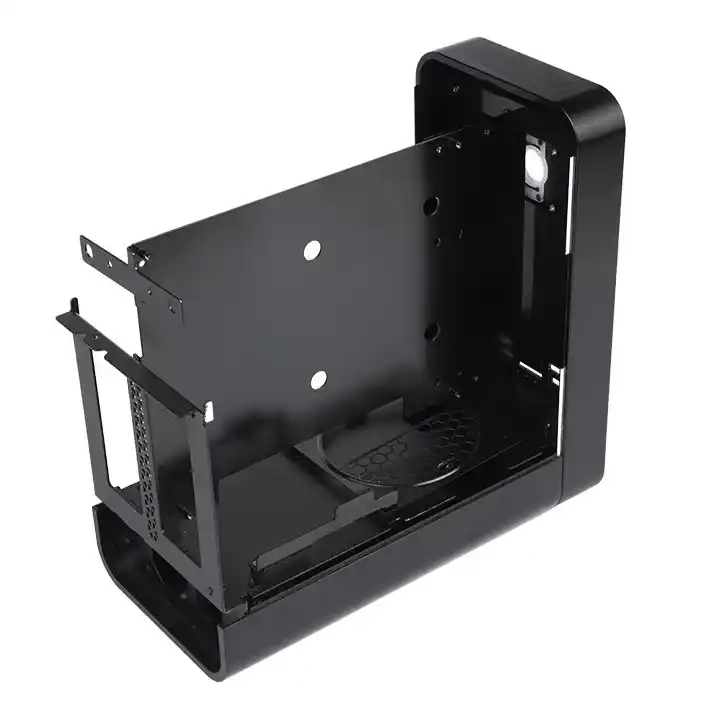
Summary Table of Common Use Cases for Industrial ITX Server Cases
| Edge use case | Main goal | Why industrial ITX server case works | When to move to rack / ATX |
|---|---|---|---|
| Digital signage & kiosks | Drive one or a few screens close to the display | Short depth, low noise, simple BOM, fits behind panel | Many screens per site, central content caching → rackmount server rack pc case |
| IoT gateway & data node | Collect, filter, buffer local sensor data | Mini-ITX with rich I/O, dual LAN, two SSDs, cabinet-friendly size | Too many interfaces, heavy analytics, need multiple NIC cards → larger computer case server |
| NVR / small NAS | Keep video and logs on-site | 2–4 bays, directed airflow, easy service in the field | Retention time grows, many cameras, need RAID groups → 4U or 2U server pc case |
| Factory HMI & control | Show SCADA/MES, light logic near the line | Compact, robust metal case, quiet, front I/O to panel | Running more control logic, real-time analytics, extra PCIe cards → ATX / rack shelf |
| Retail POS & self-checkout | Stable lane PC with lots of devices | Small chassis, many USB, good cable routing | Central back-office systems, store servers, multi-VM host → rackmount atx server case |
Table is not perfect, but it gives a quick “rule of thumb” when you size a new edge roll-out.
Why IStoneCase Fits Edge Deployments from ITX to Rack
IStoneCase is not only doing one small box. The brand positions itself as “The World’s Leading GPU/Server Case and Storage Chassis OEM/ODM Solution Manufacturer”, and the product line goes from ITX all the way to full racks:
- Breadth – ITX case, server rack pc case, server pc case, GPU server case, NAS devices, wallmount, rails.
- OEM/ODM – custom front panels, colors, logos, cable sets, even special mounting for data centers, algorithm centers, research labs, database service providers, IT service firms and home-lab users.
- Scale – from small batch pilots to bulk orders for global roll-outs.
So you can start with a couple of industrial ITX server cases in a plant or store, later build bigger racks in the main room, and still stay on one chassis ecosystem.
Not everything at the edge needs a giant rack. Sometimes that little metal ITX box sitting in the dusty corner is doing the real work, quietly, for years.