When you build at the edge, the box around the hardware is not “just a case”. Space is tiny, air flow is bad, and nobody wants to drive two hours to restart a node that overheated again. Picking between Mini-ITX, Micro-ATX and 1U rack servers decides a lot of that story up front.
Below we look at what each form factor really does in edge computing, and how IStoneCase server chassis help you match the metal with the workload.
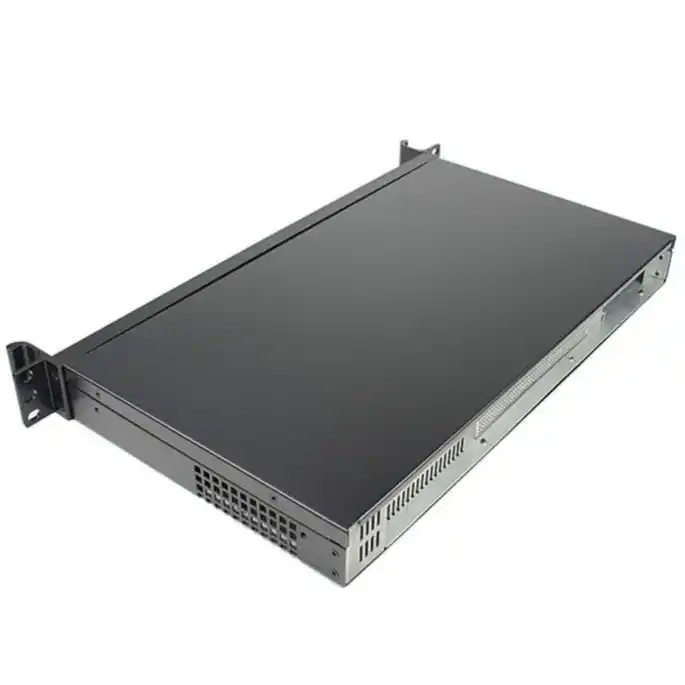
Edge computing needs from a server case
Before you pick a board size or a server rack pc case, it helps to map the basic pain points:
- Tight space – wall boxes, power cabinets and shallow racks give you very little depth and height.
- Harsh environment – dust, vibration, high temp, no cold aisle. If cooling is weak, hardware dies young.
- Low-touch operation – once the box is mounted, nobody want to babysit it every week.
- Enough expansion – extra NICs, storage, maybe a GPU for AI or video, but not a whole data center.
There isn’t one perfect computer case server for all this. Each form factor fits a different kind of edge node.
Mini-ITX server pc case in edge deployments
Mini-ITX boards are small, around 170 × 170 mm. Paired with a compact ITX chassis, they turn into tiny edge nodes that still run normal desktop or low power server CPUs.
You meet Mini-ITX a lot in branch and retail setups: POS back-end, light video analytics, a little NAS right next to the router. It also shows up as IoT gateway in electrical rooms and factory corners, where you only have a flat wall and a few inches of depth to play with. Fanless or semi-fanless builds are common here, because dust is everywhere.
The trade-off is simple. Most Mini-ITX boards only give you one PCIe x16 slot and two DIMM slots. You can add one accelerator or NIC, but not a forest of cards. For many small edge nodes that is enough.
With a well designed ITX case, airflow can stay reasonable. But if you push a hot CPU and GPU inside a very tiny box, temps shoot up fast and stability goes down. So Mini-ITX is great for low to medium power edge deployments, not for heavy multi-GPU work.
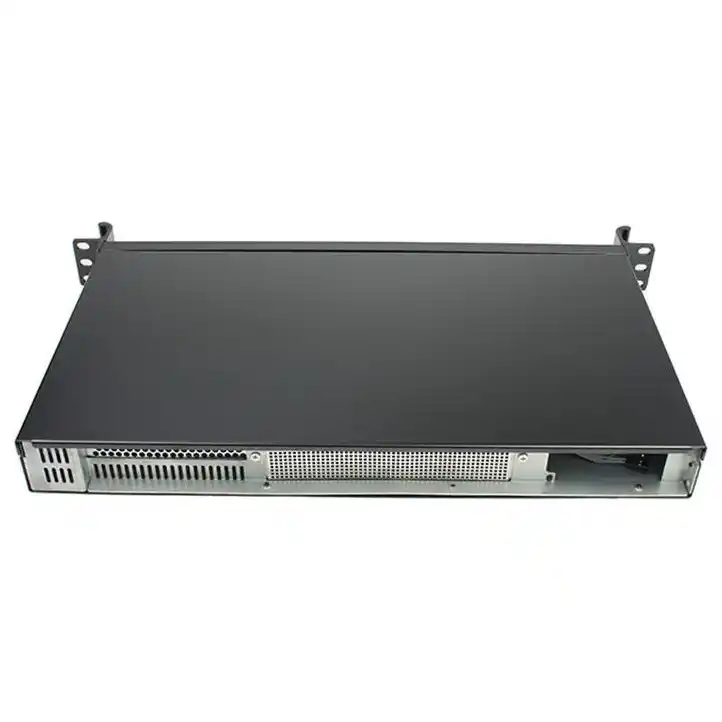
Micro-ATX computer case server for flexible edge nodes
Micro-ATX sits right in the middle, roughly 244 × 244 mm. The chassis is bigger than ITX but still much smaller than a full tower ATX server case.
For edge use, this size often becomes the sweet spot when you need “just a bit more of everything”. You gain extra DIMM slots for memory, more PCIe slots for NICs, capture cards or a GPU, and more room in the enclosure for proper airflow and larger fans.
In real projects, Micro-ATX is popular in factory edge servers and small AI / analytics nodes. Think one GPU, fast NVMe, and several network ports talking to machines, sensors or cameras. It also works well for light virtualization at the edge, where you run a few VMs or containers to keep local services close to the data.
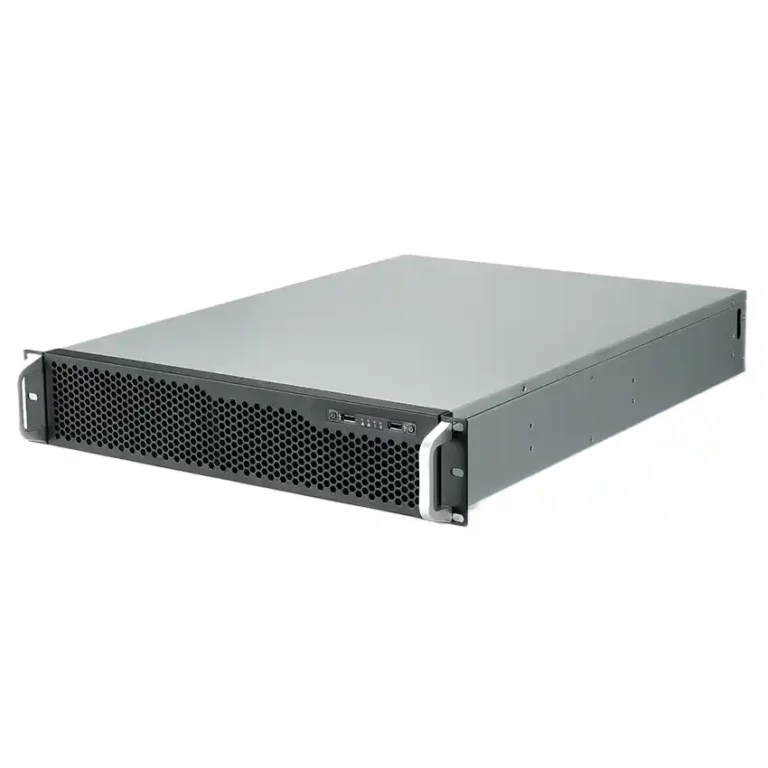
A 2U rackmount layout or a short-depth rackmount case built around Micro-ATX gives the hardware some breathing room. Air path is cleaner, you can use slower and larger fans, and noise stays easier to manage. Not silent, but also not “jet engine under the desk”.
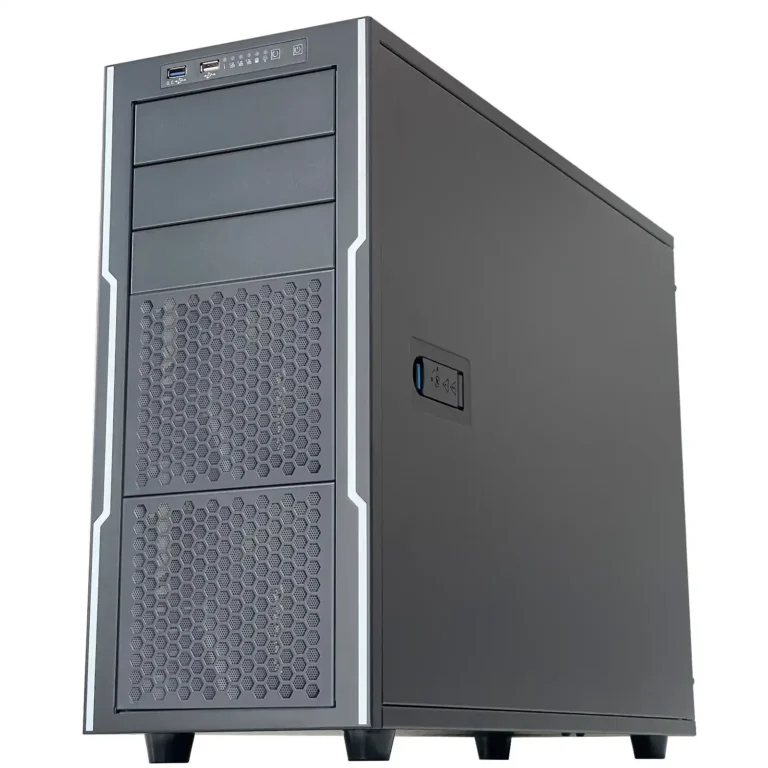
If you like an atx server case layout but don’t need full ATX boards, Micro-ATX also fits many mid-tower and rackmount shells. That flexibility is why many SMB and edge builds land here.
1U rackmount server rack pc case for dense edge sites
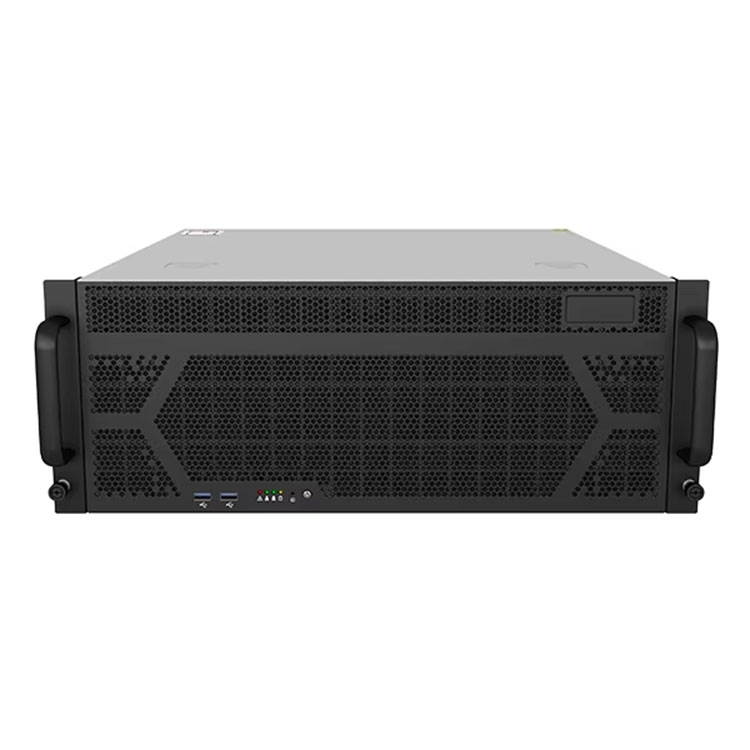
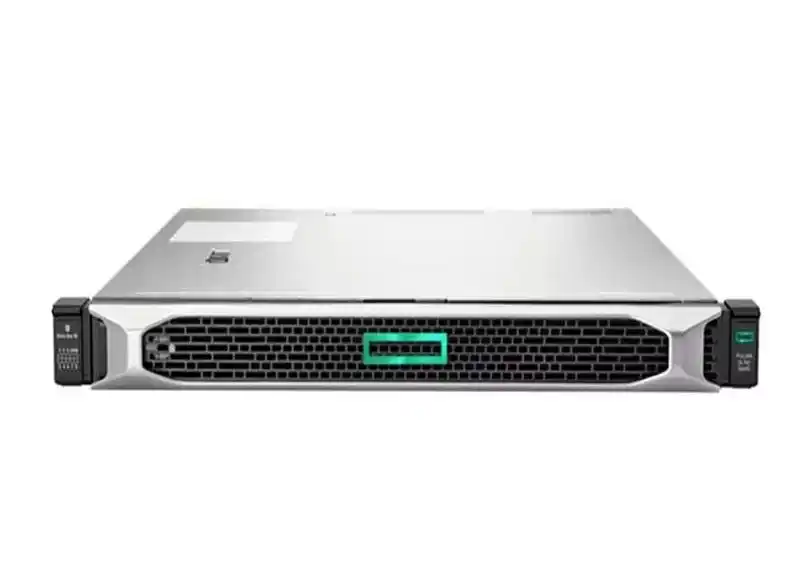
1U rack servers look very attractive on paper for edge: flat, 19″ wide, and easy to stack into a shallow rack. In telco rooms, small data rooms or micro data centers on site, 1U is standard gear.
The physics are tough though. You only have about 44.5 mm of height. That means low-profile coolers and 40 mm high RPM fans. Cooling a hot CPU, fast RAM and maybe even a GPU in that thin space is hard work, and the fans are loud. You really dont want a 1U node humming next to somebody’s desk.
So why do people still use 1U at the edge? Because the upsides are real. They fit standard 19″ racks and chassis guide rail kits, they are easy to scale out one unit at a time, and they plug smoothly into existing data center style power and cabling. For dense edge racks with proper room cooling and remote hands, 1U servers still make alot of sense.
For harsher sites or office closets, many teams move to a slightly taller server rack pc case, like 2U or 3U, to gain cooler operation, more drive bays and better card clearance.
Quick comparison table: Mini-ITX vs Micro-ATX vs 1U rack servers
| Feature | Mini-ITX edge node | Micro-ATX edge server | 1U rack server at the edge |
|---|---|---|---|
| Board size | ~170 × 170 mm | ~244 × 244 mm | Depends on chassis, often ATX or custom |
| Typical case type | Tiny ITX or wallmount case | 2U/3U rackmount or mid-tower | 1U rackmount case |
| Expansion | 1 PCIe x16, 2 DIMMs in many boards | More PCIe slots, up to 4 DIMMs | PCIe and drive bays limited by 1U height |
| Cooling | Ok for low/medium power, can be fanless | Better airflow, larger coolers and fans | Hardest cooling, noisy, needs good room airflow |
| Best fit | Small IoT gateway, light NAS, branch box | Flexible edge server, small AI / virtualization | Dense edge racks, telco or small data center |
This table is not perfect science, but it match alot of real projects. The point is not “which one is best”, the point is “which one is right for the way you deploy and maintain edge gear”.
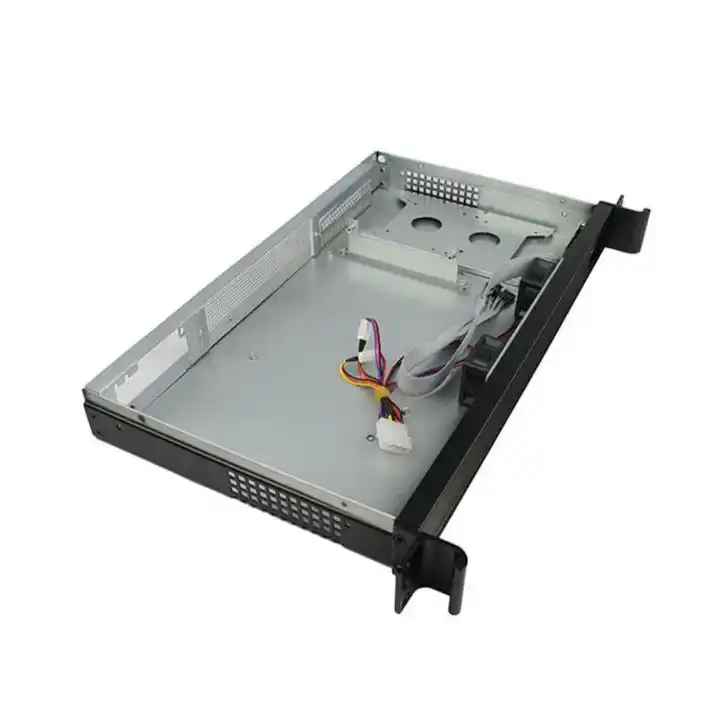
How IStoneCase links hardware and edge use case
IStoneCase focuses on the metal and mechanics part of this stack. We design and build GPU server case, server case, rackmount case, wallmount case and NAS devices for data centers, AI and algorithm centers, enterprises, MSPs, small business IT, developers and enthusiasts.
If you want a compact Mini-ITX node for retail or IoT, we can tune airflow, dust filters and mounting so the box just sits there and works. If you need a Micro-ATX or atx server case with room for extra NICs and one GPU, we adjust depth, fan wall layout and chassis guide rail options to match your rack and cable style.
For customers who prefer 1U or 2U nodes, a custom server pc case lets you balance density, noise and serviceability. Maybe your project need a whole batch of identical boxes for different branches, or you are a system integrator selling your own label computer case server line. OEM/ODM and batch orders are daily work for us.
So which one should you pick for your next edge project?
There is no single winner:
- Choose Mini-ITX when space is very tight, power draw is moderate and you like wallmount or small desktop boxes.
- Go with Micro-ATX when you want more slots, more RAM and better cooling while still keeping the system compact.
- Use 1U rack servers when you have real racks, decent room cooling and you care most about density and standard form factor.
If you already know what CPU, GPU and storage you want but the enclosure story still feels messy, that is exactly where IStoneCase can help. Bring your rough spec, even a quick rack sketch, and we help you land on the right mix of board size, airflow design and chassis format for your edge workloads.