Introduction: Why the right server case matters
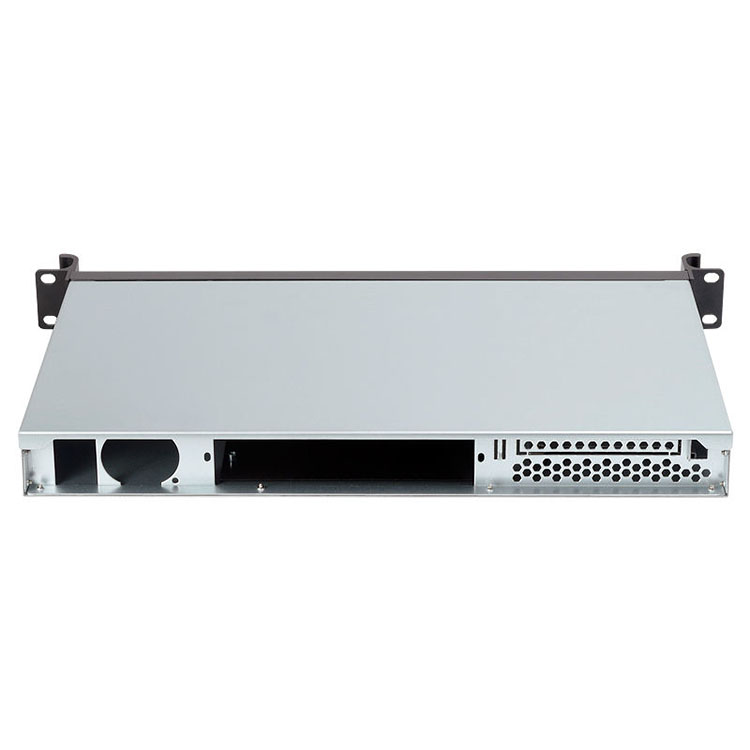
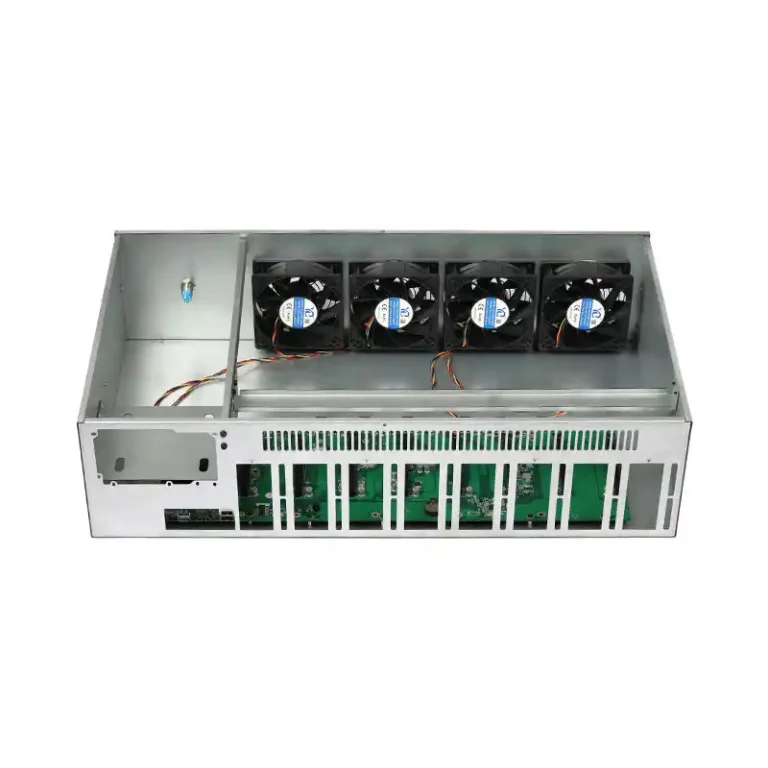
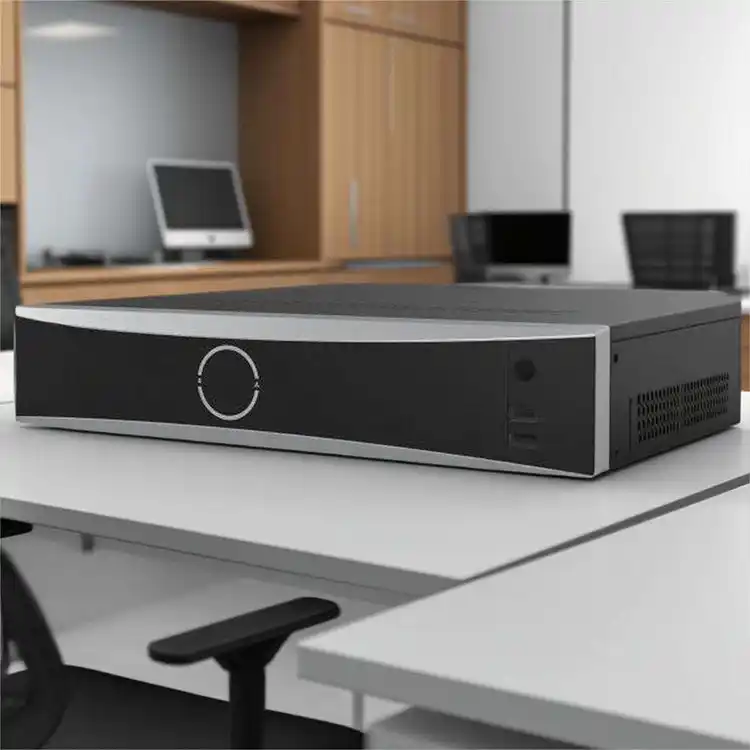
In high-performance data centers, the chassis isn’t just a shell. It’s a core component that shapes thermal performance, airflow, density, and upgrade path. Choosing the right server case—whether it’s a server rack PC case, an ATX server case, or a purpose-built GPU server case—can significantly impact your data center’s efficiency. When the chassis fits the workload, power distribution becomes simpler, maintenance is quicker, and reliability improves. Think of the case as the foundation of your entire data center’s performance.
Server Rack Cases for Density-Aware Deployments
Argument: Density and scalability begin with the right case.
If racks run hot spots, cooling becomes a bottleneck and performance drops.
Practical Scenario:
A university AI lab expands workloads quarter by quarter. A modular server rack PC case allows technicians to add hot-swappable nodes without drilling new space or replacing frames.
Implication for Buying:
Look for cases that support hot-swappable drives, flexible drive trays, and tool-less access. Align tray density with your cooling plan to avoid overheating.
Data Point to Monitor:
Targeted improvements in rack power density and ease of maintenance translate into lower mean time to repair (MTTR) and lower operational risk.
Airflow Design: Lock in Cool Air, Push Out Heat
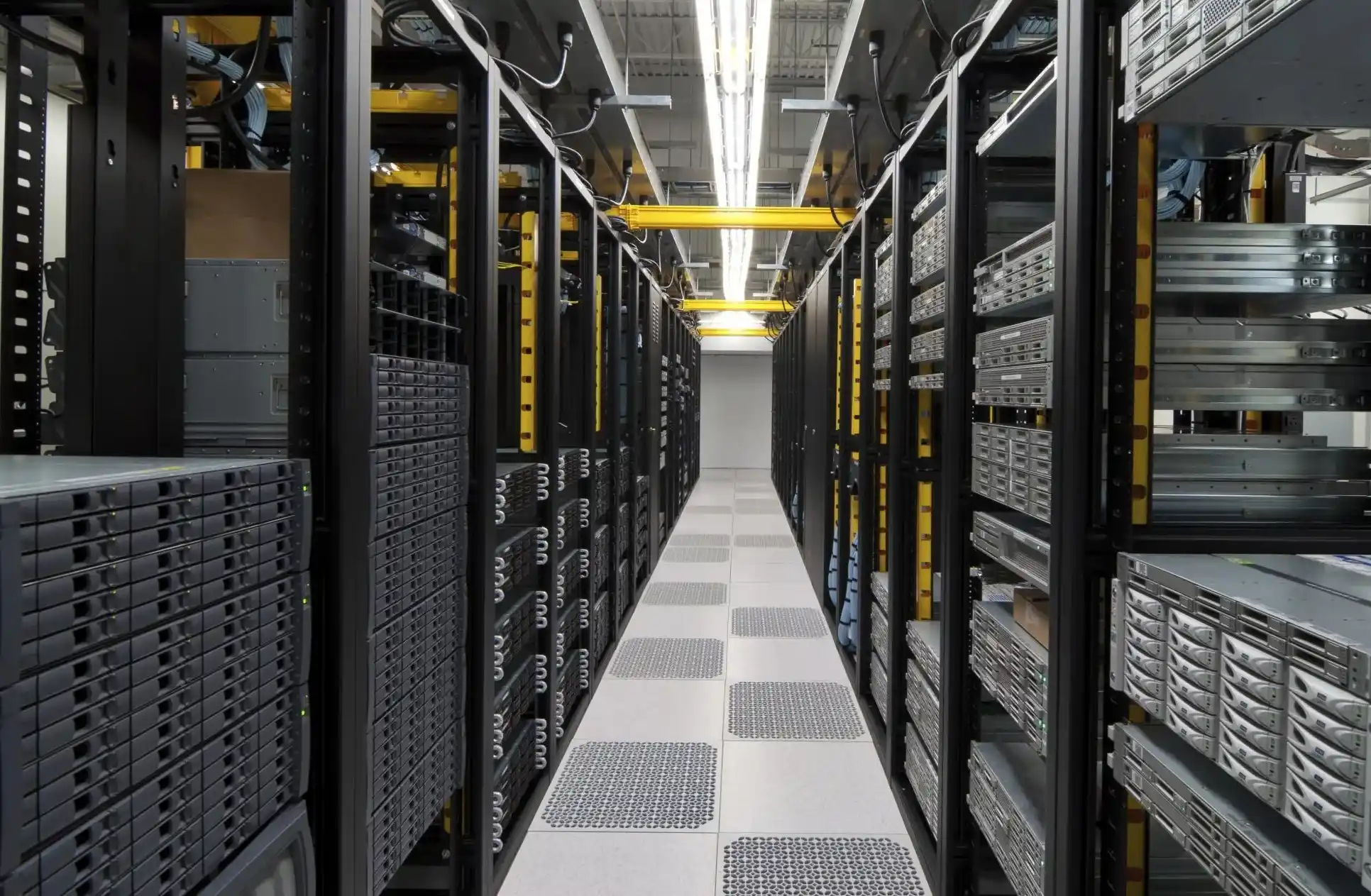
Argument: Airflow is the silent driver of performance.
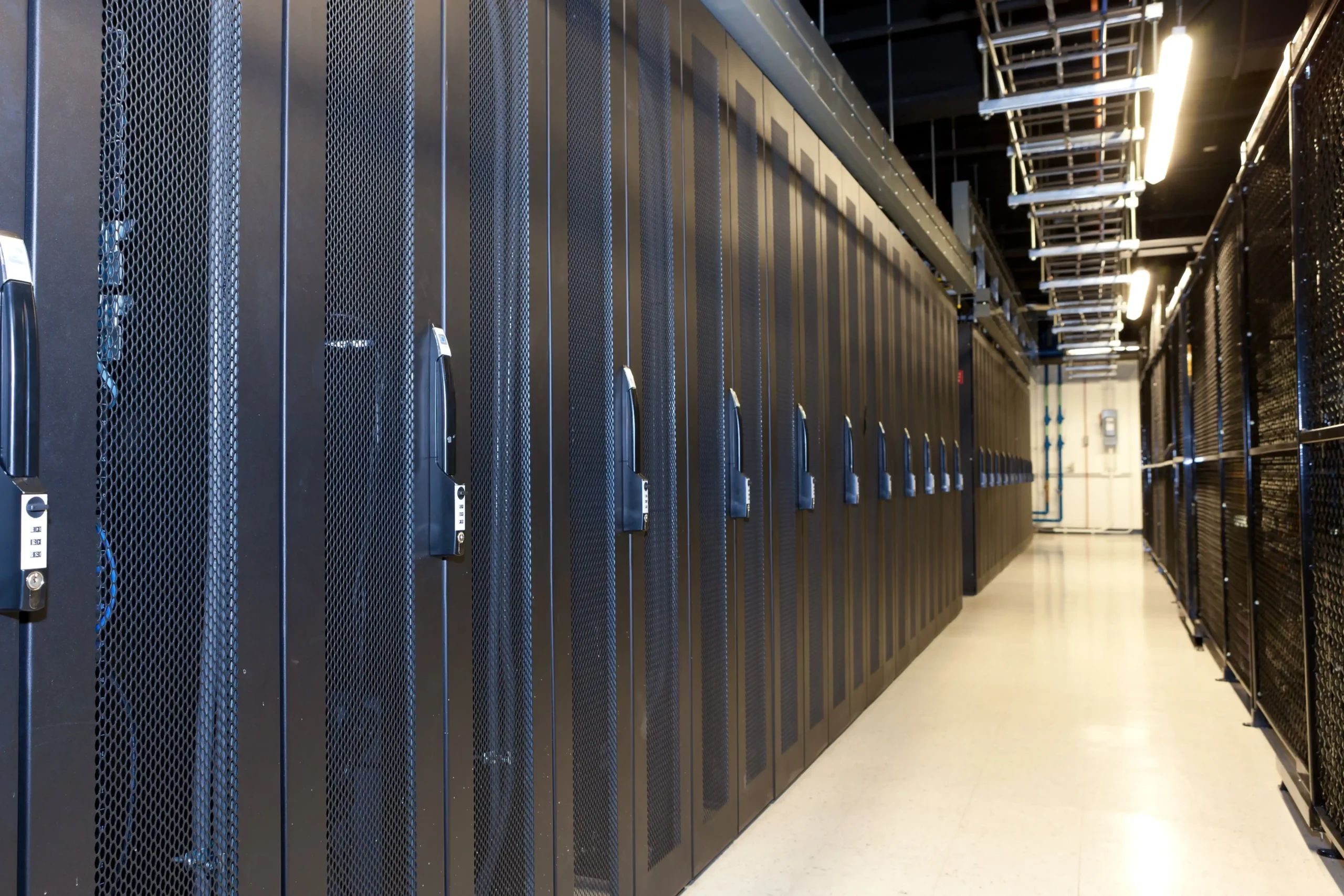
Without proper separation of hot and cold aisles, even powerful components waste energy.
Practical Scenario:
In a thermal bottleneck, you can reconfigure to a front-to-back airflow with containment barriers and solid-gate blanking panels. This reduces recirculation and improves component temperatures.
Implication for Buying:
Choose server cases that support clean cable routing and front-access modules. A well-designed ATX server case, with clear airflow paths, makes downstream cooling far more efficient.
Data Point to Monitor:
A compliant cold-aisle containment solution can meaningfully lower energy use and increase usable capacity in dense deployments.
Power Efficiency and Distribution: Reduce Losses from the Source to the Blade
Argument: Efficiency isn’t just about the CPU; it spans the entire power chain, including chassis, rails, and power distribution units.
Practical Scenario:
A data center transitions to higher-efficiency power supplies and smarter PDUs, reducing heat output and cooling load required by each rack.
Implication for Buying:
Favor chassis and cases that accommodate efficient power delivery, good cable management, and compatible power rails. This also simplifies phased upgrades to higher-efficiency components later.
Data Point to Monitor:
A modest improvement in power distribution efficiency compounds across hundreds of servers, lowering total energy cost and heat generation.
Modular Design and Future-Proofing
Argument: The best data centers plan for growth, not just today’s load.
Practical Scenario:
A media rendering farm scales from 4 to 16 GPUs in a single chassis via modular GPU server cases. Down the line, a reconfigured case supports even more capacity without a complete rebuild.
Implication for Buying:
Look for servers and storage enclosures with modular drive bays, expansion slots, and swappable backplanes. This reduces total cost of ownership by enabling smoother upgrades.
Data Point to Monitor:
Time-to-market for new workloads drops when the chassis supports quick upgrades rather than full redeployments.
Thermal Engineering and Real-World Cooling Layouts
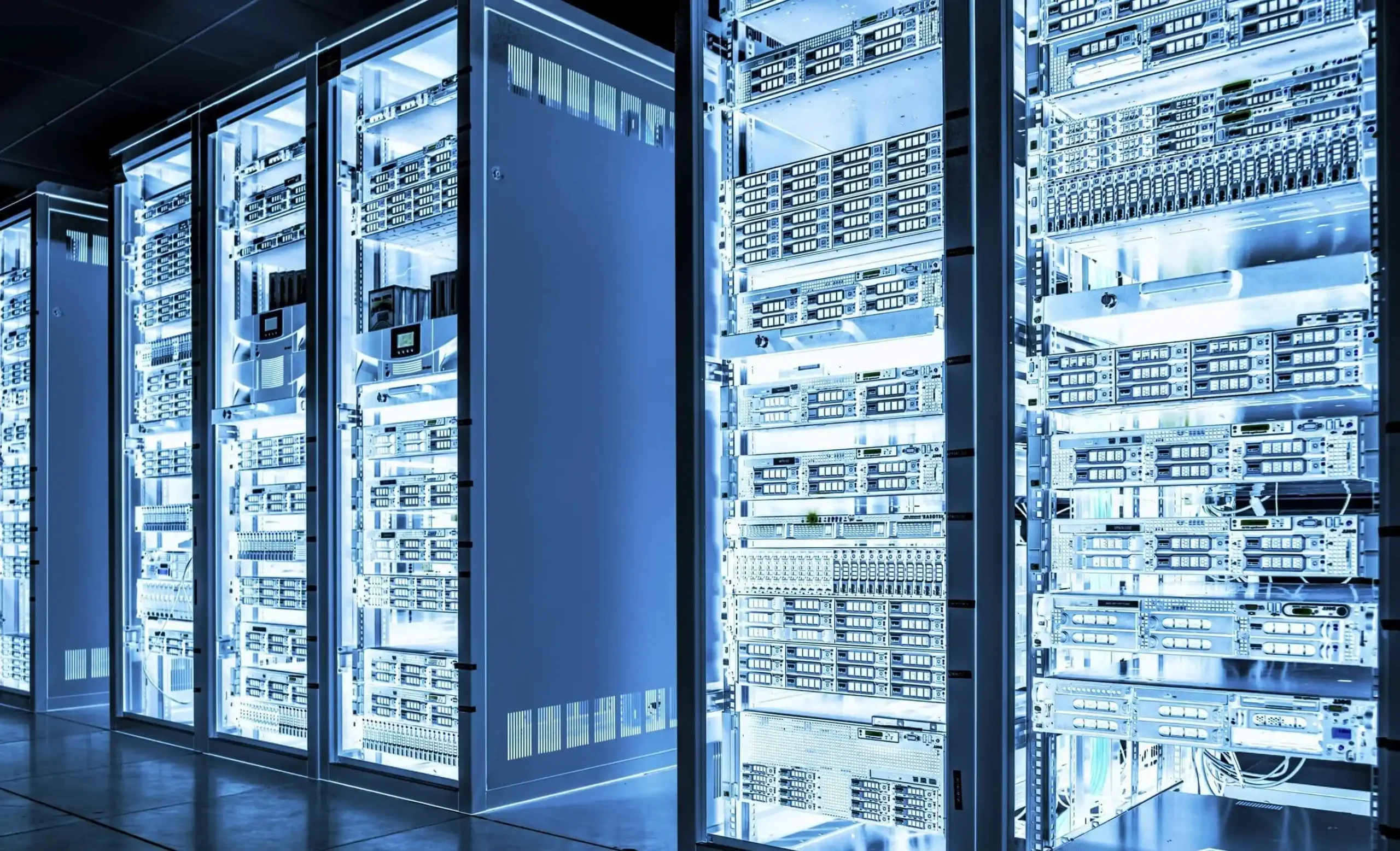
Argument: Efficient cooling is a competitive differentiator.
Poorly designed air paths waste energy and throttle performance.
Practical Scenario:
Implement a mixed cooling strategy using front intake with rear exhaust, plus targeted containment in high-density zones to prevent hot spots.
Implication for Buying:
Select cases with robust thermal management features, including airflow-directing features, thermal sensors, and compatibility with containment solutions.
Data Point to Monitor:
PUE trends and thermal margins per rack indicate effectiveness of the chosen chassis and cooling strategy.
Redundancy and Reliability at the Chassis Level
Argument: Redundancy isn’t optional in mission-critical environments; it’s a baseline requirement.
Practical Scenario:
Dual-rail power options and hot-swappable components minimize downtime during maintenance windows.
Implication for Buying:
Favor server cases that support redundant power paths and hot-swappable components, so you can sustain operations during maintenance.
Data Point to Monitor:
Availability and uptime metrics improve when chassis-level redundancy aligns with facility-level redundancy.
IStoneCase: Practical Benefits and Real-World Applications
Practical Scenario:
For organizations building GPU-accelerated workflows, a GPU-optimized chassis can unlock meaningful performance gains by reducing thermal throttling and enabling higher sustained clocks.
Trade-off and Decision Framework:
Balance upfront cost with long-term savings from energy efficiency and easier upgrades. A well-chosen chassis reduces maintenance complexity and accelerates deployment cycles.
Value Proposition:
IStoneCase can tailor server cases to match workload profiles, whether you need rackmount precision for dense data centers or ITX flexibility for compact compute nodes. This alignment can translate into faster time-to-value for AI, HPC, and data-intensive workloads.
Operational Guidance: Turning Theory into Action (Practical Steps)
- Map Workloads to Chassis Requirements: Define density targets, cooling needs, and expansion plans.
- Choose Airflow-Compatible Cases: Prioritize front-to-back flow, clean cable routing, and tool-less access.
- Plan Power Strategy in Parallel with Chassis Selection: Ensure power efficiency and redundancy are baked into the design.
- Build Modularity into the Roadmap: Pick chassis that support future upgrades without a full rebuild.
- Test in Staged Environments: Validate thermal margins, noise levels, and maintainability before large-scale deployment.
Conclusion: A Holistic Approach Yields Durable Performance
A high-performance data center hinges on the synergy between server cases, cooling, power, and workflow design. The right server rack PC case, ATX server case, or GPU-optimized chassis acts as the backbone for reliable, scalable, and energy-conscious operations. By prioritizing modularity, airflow, and power efficiency, you can reduce risk, accelerate deployment, and unlock higher utilization of compute resources. IStoneCase stands ready to tailor solutions that fit your data center’s unique mix of workloads and growth plans, helping you turn architectural choices into measurable business value.
Appendix: Sample Table Structures to Include in Your Article
Table A: Key Arguments and Practical Measures
| Argument | Practical Measures | Expected Benefits | Potential Challenges | Evidence Type |
|---|---|---|---|---|
| Density and scalability | Modular server cases with swappable components | Higher rack density, easier maintenance | Initial setup complexity | Performance Data |
| Airflow design | Front-to-back airflow with containment barriers | Improved thermal performance, energy savings | Space limitations | Thermal Data |
| Power efficiency | High-efficiency power supplies and PDUs | Reduced heat generation, lower operational costs | Compatibility issues with legacy systems | Energy Data |
| Modular design | Chassis with modular slots and backplanes | Easier upgrades, future-proofing | Increased initial investment | ROI Data |
| Thermal engineering | Mixed cooling strategy, containment in high-density zones | Enhanced cooling, optimized airflow | Increased complexity in deployment | Cooling Data |
| Redundancy | Dual-rail power, hot-swappable components | Minimization of downtime, improved reliability | Increased cost of redundancy | Uptime Data |
Table B: Sources and Data Points
| Argument | Source Type | Core Data Points | Citation Details |
|---|---|---|---|
| Airflow design | Industry Report | Cold-aisle containment can reduce PUE by 10% | “Data Center Cooling Trends” |
| Power efficiency | Case Study | Efficiency improvements lead to 5% lower energy costs per server | “Energy Optimization in Data Centers” |
| Modular design | Product White Paper | Quick upgrades reduce time-to-market by 30% | IStoneCase Modular Design Guide |
| Redundancy | Benchmark Data | Dual-rail power increases uptime by 99.99% | “Uptime in High-Performance Systems” |
Keywords to Optimize
- Server rack PC case
- Server PC case
- Computer case server
- ATX server case
Suggested Internal and External Linkage Strategy
- Include internal mentions to IStoneCase product lines: GPU server case, Rackmount Case, Wallmount Case, ITX Case, NAS Devices, and Chassis Guide Rail.
- Integrate contextually relevant industry terms, such as hot/cold aisle containment and energy efficiency references, to boost relevance for data center design queries.
- Use synonyms to avoid repetition: application, scenario, use case, deployment, etc.
- Add a few industry-specific phrases (black belt terms) where appropriate to address client pain points, ensuring natural tone and readability.