When people talk about green IT, they love to talk about PUE, chillers, liquid cooling.
But every rack also has a less shiny part: the server chassis.
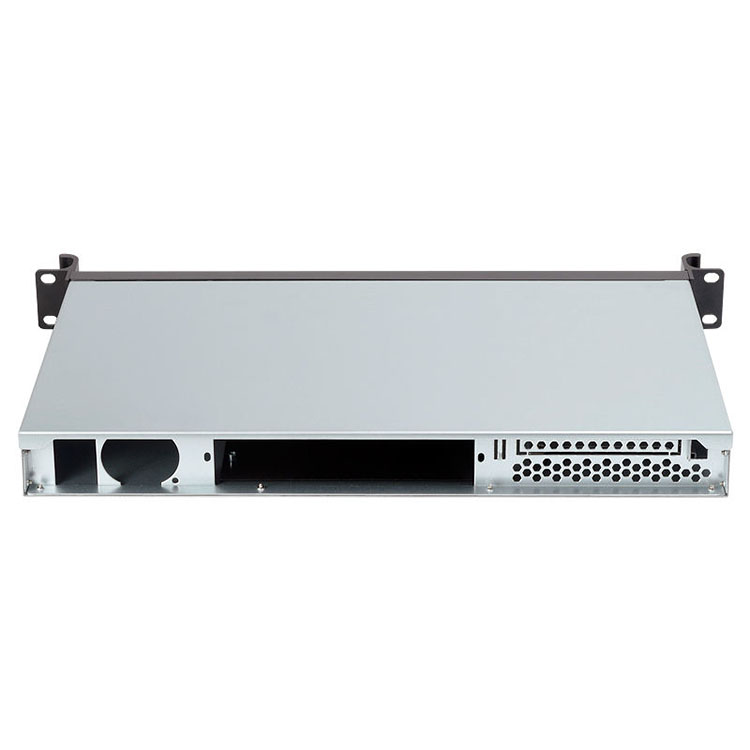
That server rack pc case or server pc case is not only a metal shell.
It affects energy use, e-waste, worker safety, and even how clean your Scope 3 report looks.
IStoneCase positions itself as “The World’s Leading GPU/Server Case and Storage Chassis OEM/ODM Solution Manufacturer”, so let’s see how ESG and sustainability really touch this part of the stack.
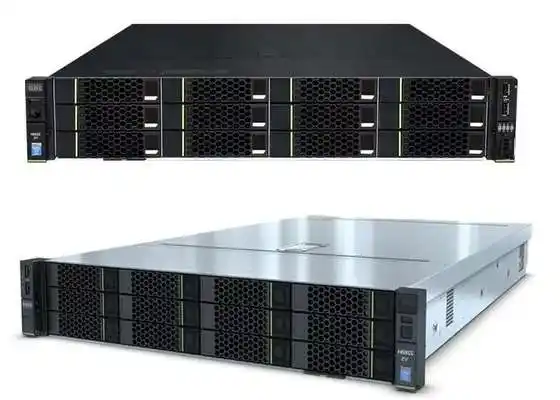
ESG Drivers in Modern Server Chassis Manufacturing
Environmental Impact of Server Case Materials
A chassis starts life as steel, aluminum, and plastic.
If everything is virgin metal, your embodied carbon is already high before the first boot.
Key environmental levers:
- Material mix
- Higher share of recycled steel and aluminum in panels and brackets.
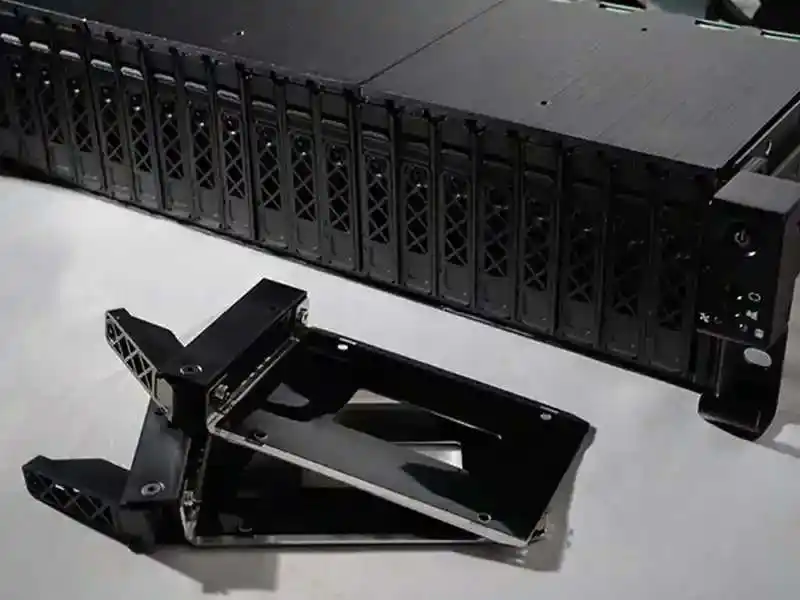
- Smarter plastics for front bezels and drive trays.
- Less weird mixed material that’s impossible to recycle.
- Longer life frame
- Design one computer case server so it survives more than one platform refresh.
- Keep the core structure strong while boards, GPUs and drives change over time.
- Logistics and packaging
- Flat-pack or efficient pallet layouts.
- Recyclable foam and cardboard, not “museum grade” over-packing.
A vendor like IStoneCase can build these choices into every server case or GPU server case run, instead of treating them as afterthought.
Social Responsibility in Chassis Production
ESG isn’t only carbon numbers.
Real people bend the sheet metal, spray the powder, test the rails.
Good social practice around a chassis line usually means:
- Clear safety rules for punching, cutting, welding, coating.
- Training for workers when designs add more hot-swap parts, denser layouts, even liquid loops.
- Reasonable shifts during big AI or cloud rollouts, not endless overtime.
Because IStoneCase owns the engineering and manufacturing instead of pushing everything to random job shops, it’s a lot easier for buyers to ask how that side is handled when they kick off an OEM order.
Governance and Scope 3 Data for Hardware Buyers
Governance sounds dry, but it’s what keeps the story real.
Procurement and ESG teams want to know:
- What goes into each chassis family.
- How often the structure changes.
- How they can track a batch of cases back to a production lot.
For ESG, that means basic lifecycle info per server pc case, stable bills of material, and change logs. When you standardize on one portfolio, like IStoneCase’s rackmount case and wallmount case lines, this becomes much more manageable.
ESG Focus vs Server Chassis Design
Here’s a quick overview that links ESG goals to very real chassis decisions.
| ESG Area | Data-Center Pain Point | Chassis Design / Manufacturing Response | IStoneCase Example |
|---|---|---|---|
| Environmental | Embodied carbon and e-waste from refresh cycles | Recycled metal, durable frames, easy disassembly | Long-life server case families that handle multiple board generations |
| Environmental | Cooling budget under pressure | Straight airflow, right fan zoning, good RU density | High-airflow GPU server case plus matching chassis guide rail |
| Social | Labour and safety risk in supply chain | In-house factory, defined processes, training | IStoneCase engineering team + production under one roof |
| Governance | ESG team needs real data, not only photos | BOMs, lifecycle info, stable product codes | Single portfolio across rackmount, wallmount, NAS, ITX |
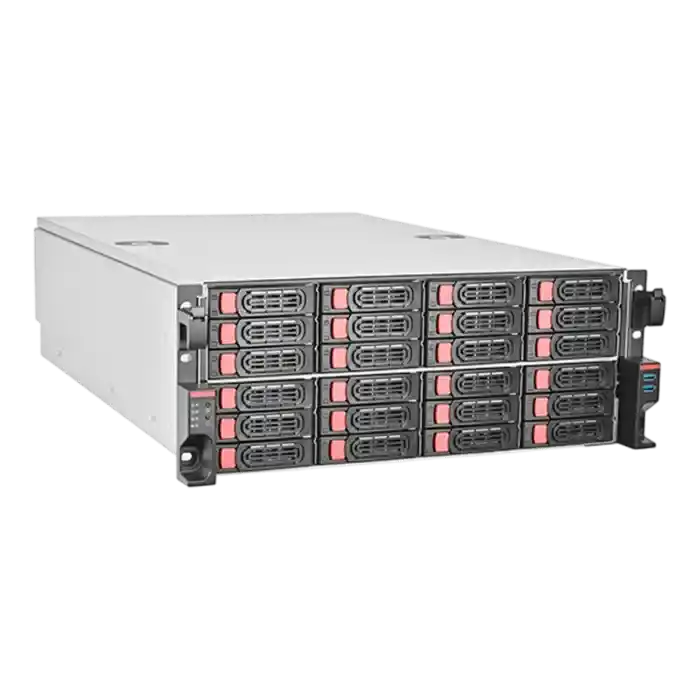
Practical Design Choices for a Sustainable Server Rack PC Case
Airflow, Cooling and Energy in Computer Case Server
A bad chassis turns every rack into a noisy space heater.
A good chassis lets your fans run slower and still keep GPUs and drives safe.
Important design points:
- Predictable airflow
- Front-to-back, no strange corners where hot air gets stuck.
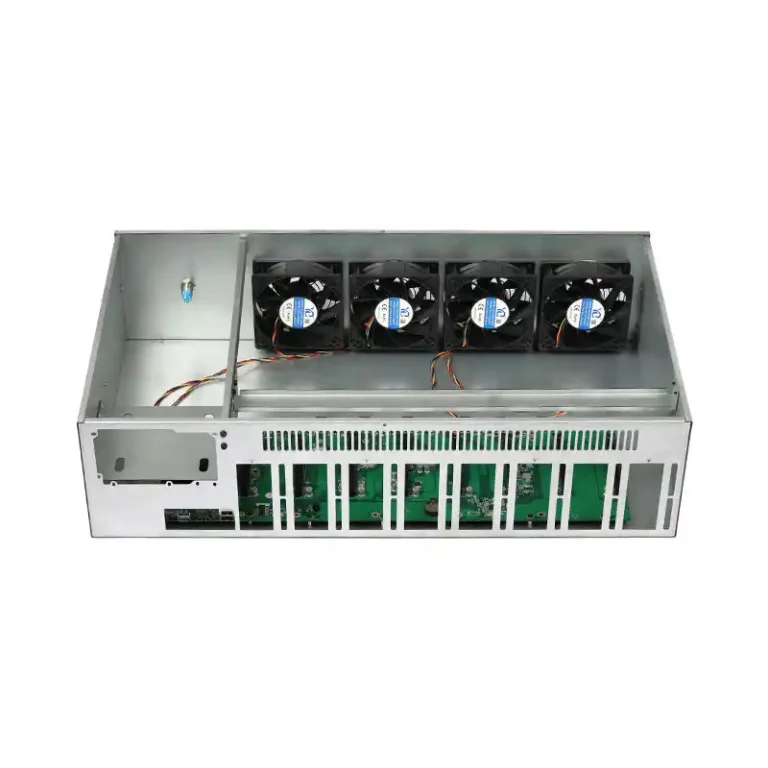
- Fan walls or zones that separate GPU, CPU and storage heat.
- Cable and PSU layout
- Power cables and network bundles should not block air.
- PSUs placed so exhaust air doesn’t cook nearby cards.
- Fit for purpose
- Heavy 4U shells for dense GPUs and AI training.
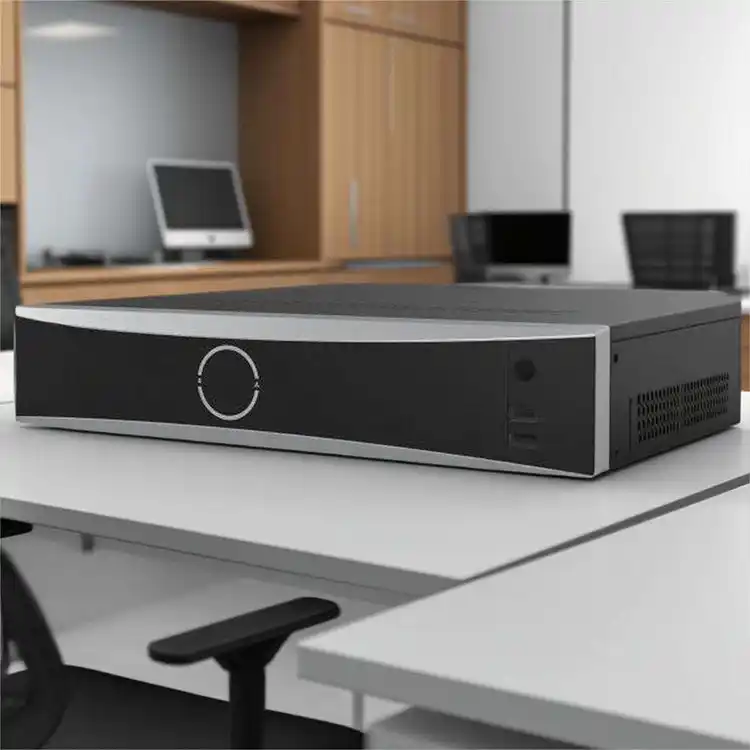
- Slimmer cases for light services, not one giant chassis for every job.
IStoneCase offers tuned layouts for GPU, storage and general compute, so airflow is part of the design, not something you fix later with zip ties and prayers.
Modular Design and Second Life for ATX Server Case Fleets
Hardware refresh is painful. Racks full of almost-new metal going to recycling or storage.
With a modular atx server case strategy you can:
- Reuse chassis when migrating from old CPUs to newer platforms.
- Move boxes from “hot” workloads to backup or dev use.
- Keep common spare parts like rails, doors, and fans across different models.
IStoneCase’s ITX case and NAS devices follow the same idea: standard mounting, simple layouts, and parts you can actually swap without breaking the case.
This second-life thinking hits two birds: lower e-waste and lower total cost over the life of the fleet. Not perfect math maybe, but you feel it in the budget and in the environement.
How IStoneCase Brings ESG into OEM/ODM Server Chassis
Product Portfolio for Different Workloads and Scenarios
IStoneCase covers most of the metal work a modern infra team needs:
- GPU server case for AI, rendering, HPC and big LLM nodes.
- Rackmount case for classic compute and mixed services.
- Wallmount case and ITX case for edge or small offices.
- NAS devices for backup, archive and database storage.
Because the same brand designs all of them, you get a familiar feel: same screw patterns, similar airflow logic, matching rails. That makes reuse and maintenance way easier.
OEM/ODM Collaboration with ESG Goals in Mind
Many customers don’t just buy off-the-shelf.
They need custom front panels, odd depths, crazy slot counts, or special brackets for AI accelerators.
With IStoneCase OEM/ODM you can also add ESG targets into the drawing set:
- Ask for a certain structure life, so the same chassis can survive two or three full platform swaps.
- Plan for easier disassembly at end of life: fewer rivets, more screws, clearer labels.
- Standardize on one family of server pc case designs across sites, so you don’t manage fifteen different metal styles.
It’s not about perfection. It’s about making each new batch of chassis a bit cleaner and a bit smarter than the last one.
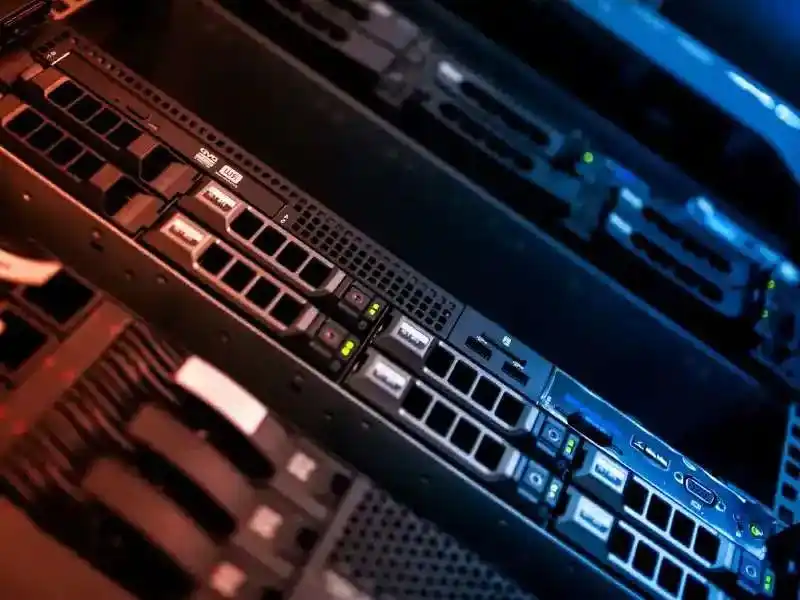
Simple ESG Checklist for Your Next Server Chassis Project
Before you lock a purchase order, you can run through a quick checklist like this:
| Topic | Question | Why It Matters |
|---|---|---|
| Materials | Does this chassis line use any recycled metal or plastic? | Cuts embodied impact and often improves brand story |
| Lifetime | Can we re-use the frame for future boards or lighter roles? | Reduces e-waste and avoids extra logistics |
| Cooling | Is airflow clear, and have we matched case type to workload? | Keeps fan power and failure rate down |
| Social | Who actually manufactures the chassis and how visible is that? | Lowers reputational risk around labour conditions |
| Data | Can we get basic lifecycle and BOM info from the vendor? | Helps ESG and finance teams do their reporting |
If your supplier can give straight answers here, you’re already in better shape than many players in the market.
In short, a sustainable chassis strategy doesn’t need fancy slogans.
It needs solid engineering, honest data, and partners like IStoneCase who understand that a server rack pc case is more than a box – it’s part of how you run responsible infrastructure, at scale, for a long time.