IStoneCase — The World’s Leading GPU/Server Case and Storage Chassis OEM/ODM Solution Manufacturer.
You run a small data center or an edge room. Space is tight. Growth is real. Downtime? nope. That’s where an ATX server case earns its keep. It’s familiar, flexible, and easy to scale without breaking workflows. Below, I’ll keep it plain, punchy, and real-world. We’ll talk airflow, density, rails, hot-swap bays, and the boring-but-critical stuff like MTTR and SLA. I’ll also point out where IStoneCase fits, because custom SKUs and batch orders are our daily bread.
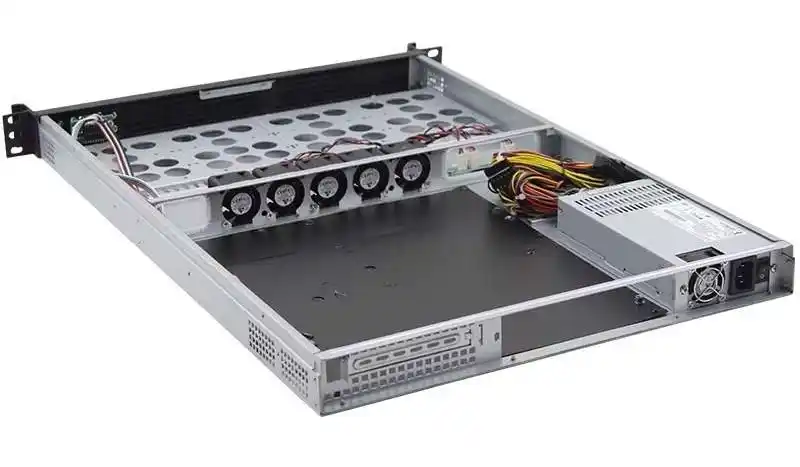
ATX server case: why small data centers pick it
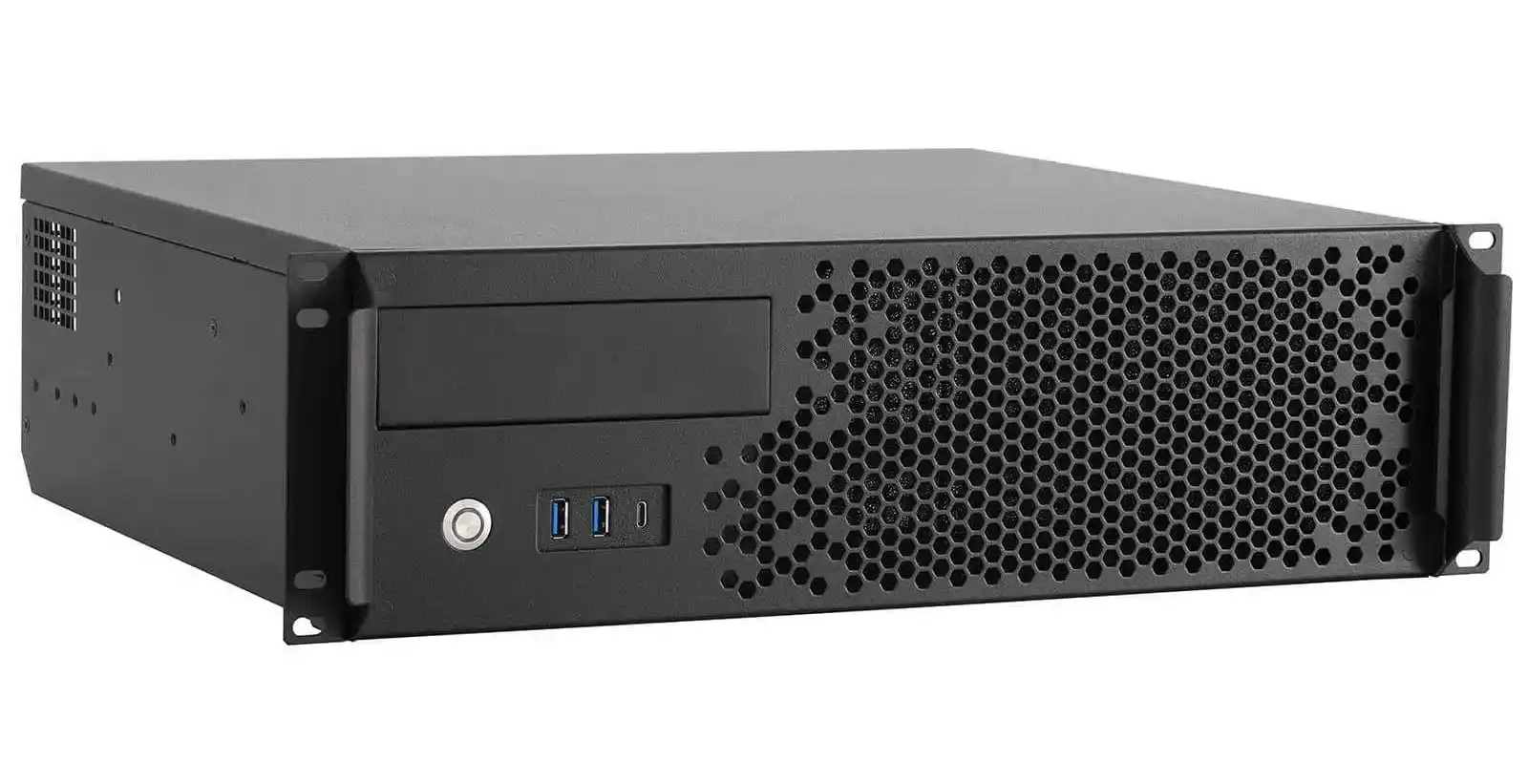
Standard parts. Predictable installs. Quicker swaps. An ATX layout keeps you inside a mature ecosystem: boards, PSUs, rails, fans, backplanes, all easy to source. When a node hiccups, you don’t panic. You pull the sled, fix the box, and slam it back in. Mean time to repair goes down; your SLA smiles.
Real talk: you dont want exotic. You want it just work. ATX does.
- Front-to-back airflow by default. Plays nice with cold-aisle / hot-aisle.
- 4U rackmount depth gives room for big coolers, tidy cabling, and sane acoustics.
- Lots of PCIe lanes available for NICs, HBAs, GPUs, and accelerators.
- Hot-swap bays so drive changes don’t nuke uptime.
- Redundant PSU options to dodge single-point failure.
If you’re comparing shopping tabs right now, here’s a quick link pass:
- Browse an atx server case that can be tailored for your BOM.
- Check a classic server rack pc case when density per RU matters.
- Need a general server pc case that still fits your airflow plan? Try this stream.
- Planning a homelab-to-branch roll-out? The main computer case server page is here: IStoneCase.
server rack pc case vs tower: space, airflow, density
Towers look simple. Until you deploy ten. Racks stack clean. With a server rack pc case, you get consistent cable routing, shared PDUs, and straight airflow. No weird side vents fighting the aisle plan. You add nodes like Lego, not like Tetris.
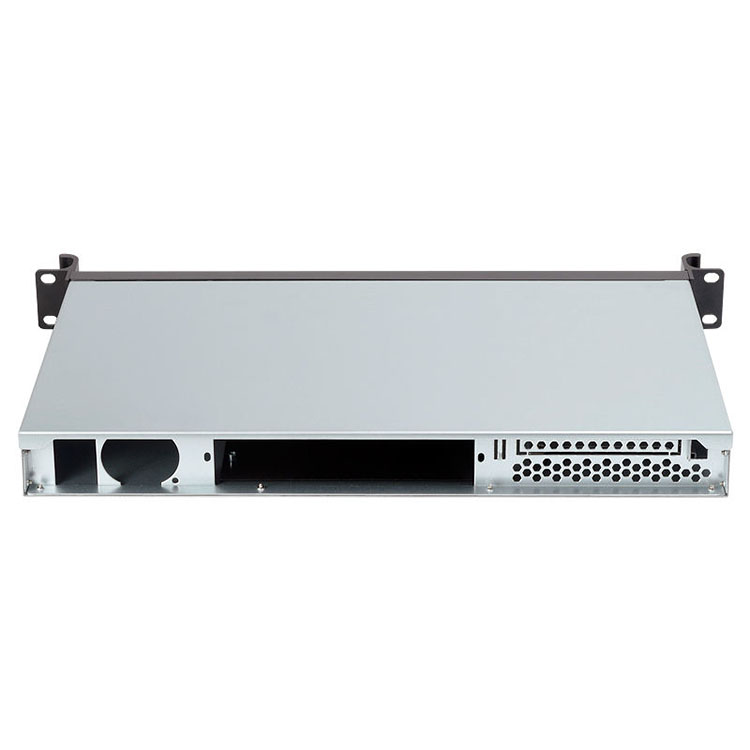
Edge closets love short-depth chassis. Branch offices like rails that actually line up. If your cabinet is shallow or you’ve got a messy patch field, a short-depth 4U saves your sanity.
server pc case cooling and power: front-to-back airflow + redundant PSU
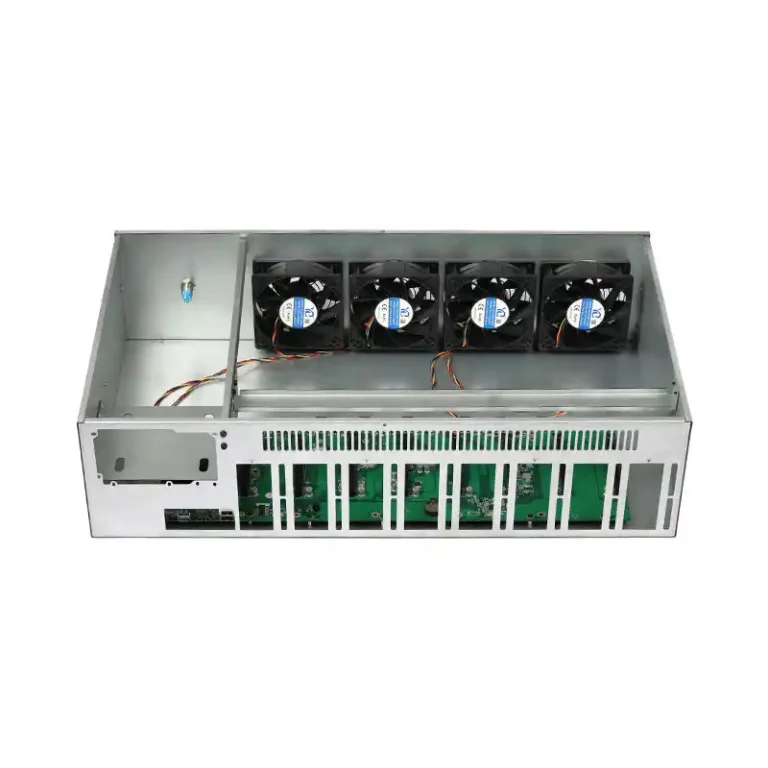
Cooling is a system, not a fan count. An ATX server pc case organizes the wind tunnel: intake filters up front, pressure-positive mid-plane, exhaust at the rear. Bigger fans spin slower. Noise drops. Bearings last. You close the door and walk away.
Power matters even more. Go with redundant PSUs and a clean cable map. Color-code. Label leads. Future you will say thanks at 2 a.m. And yes, pick high-efficiency units to cut waste heat. Less heat means less fan ramp. It also means your CRAC doesn’t cry.
computer case server expandability: storage, PCIe, GPU
You start small. Suddenly there’s a video team begging for transcodes or an AI model chewing vectors. An ATX computer case server handles that story. Drop in a GPU. Add an HBA. Fill the hot-swap cage with SATA/SAS. Or bolt in NVMe where the lanes allow. You don’t re-platform; you upgrade in place.
If the roadmap screams “accelerators,” look at our GPU server case. We design for long cards, proper bracing, and clean airflow around hungry heatsinks.
Evidence you can use (quick table)
| Claim | What it means day-to-day | Typical use | Source |
|---|---|---|---|
| ATX keeps parts standard | Faster swaps, lower MTTR, easier spares | SMB racks, lab pods | IStoneCase product spec sheets; internal build guides |
| Front-to-back airflow | No cross-drafts, better aisle containment | Edge rooms, small DC cages | IStoneCase thermal test notes |
| 4U space buys stability | Bigger heatsinks, quieter fans, neat cabling | Mixed workload nodes | IStoneCase engineering playbook |
| Hot-swap backplanes | Drive fails don’t mean rack downtime | NAS, DB shards, backup | IStoneCase storage chassis docs |
| Redundant PSU | Avoid single-point outage on power | Anything with an SLA | IStoneCase field deployments |
| PCIe headroom | More NICs/HBAs/GPUs without gymnastics | Virtualization, AI infer, transcoding | IStoneCase lab benches |
We don’t paste third-party links here; we rely on IStoneCase internal testing, spec sheets, and real customer roll-outs. Clean and practical.
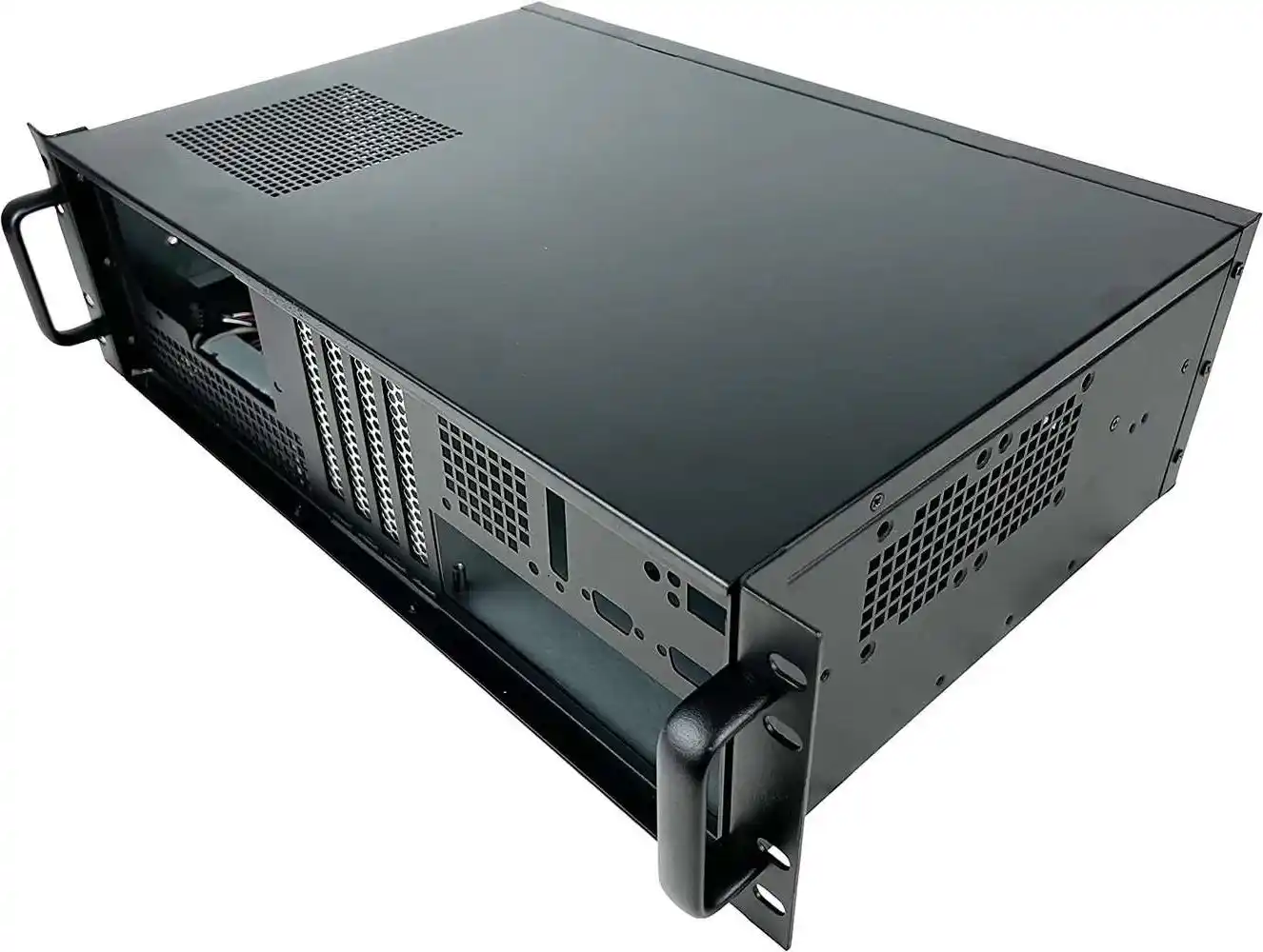
Buying checklist for an atx server case (save this)
| Item | What to check | Why it matters | Source |
|---|---|---|---|
| Rack depth & rails | Cabinet depth, cable bend radius, rail kit match | Zero surprises on install day | IStoneCase rail & rack notes |
| Airflow path | Front-to-back, filter access, fan size | Stable temps, faster dust service | IStoneCase thermal labs |
| PSU plan | Redundant modules, efficiency grade, connectors | Uptime + cooler chassis | IStoneCase PSU configs |
| Backplane type | SATA/SAS expander, NVMe options, hot-swap bays | Smooth scale-out storage | IStoneCase storage docs |
| Board fit | ATX compatibility; watch CEB/EEB widths | No standoffs drama | I/O shield + standoff map |
| PCIe clearance | Full-height, full-length cards support | GPU, HBA, NIC freedom | Chassis mechanical drawings |
| Service loops | Front USB/LED, tool-less panels, labels | Faster hands-on, less error | Field service playbook |
Use cases that actually happen
- Branch analytics pod
Two 4U ATX nodes, one storage sled. You push nightly ETL, daytime dashboards, and quick restores. Hot-swap a drive in minutes. No drama, no downtime. - Edge AI at retail
One short-depth rack with accelerators. Front-to-back airflow keeps it calm inside a noisy backroom. You add another card later; the enclosure was ready since day one. - Video and backup corner
A server rack pc case with 12 hot-swap bays. Backup window shrinks. Editors render on a GPU node next door. Same rails, same screws, same spare fans in your kit. - Dev/Test sandbox
Mixed NVMe + SATA in a neat atx server case. Developers spin VMs, break things, and you roll back snapshots. The box never leaves the rack.
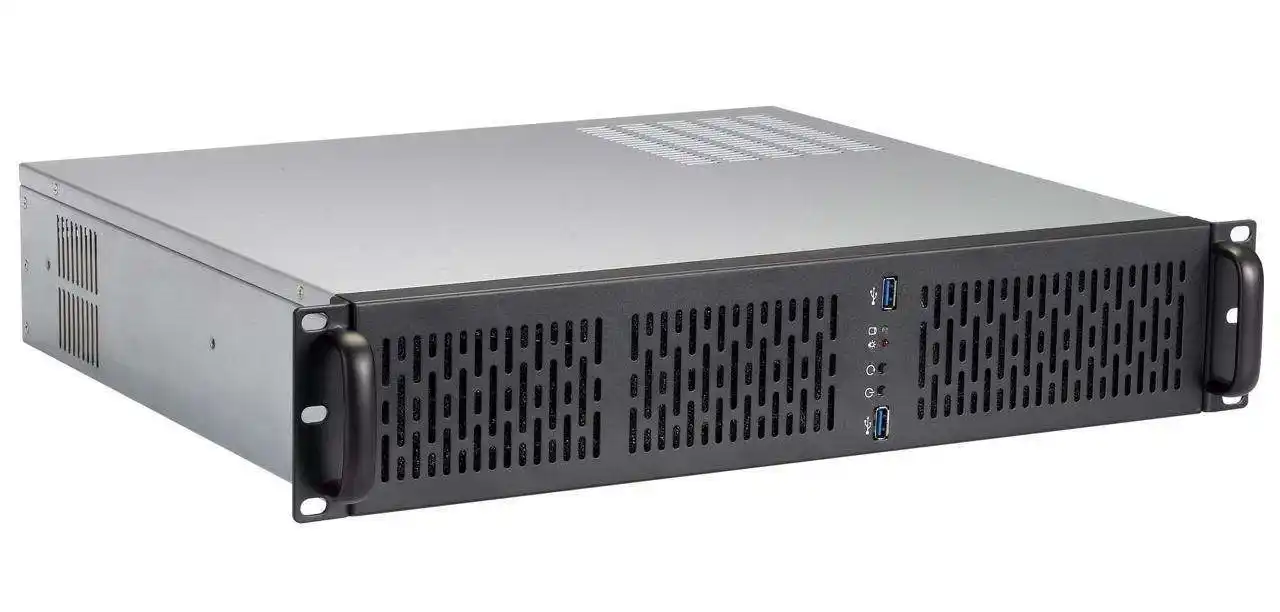
Why IStoneCase (quiet value, no fluff)
You want customization without headaches. We do OEM/ODM, batch orders, and tuned builds for data centers, algorithm centers, enterprises, MSPs, universities, and builders. Need a wall-mount variant for a broom-closet POP? We ship Wallmount options. Want tiny nodes for sensor gateways? Our ITX case line covers it. Building a backup target? Tap our NAS devices. Rolling rails across a fleet? Ask about chassis guide rail kits and alignment jigs. And if you just need a clean, standard server pc case, start here: server case catalog.
Under the hood we mind the “boring” things:
- Cable management points that don’t slice your hands.
- Brackets that keep long GPUs from sagging.
- Filters you can pop, rinse, and pop back.
- Screws that match across SKUs, so your tool bag gets lighter.
- BOM stability for repeat orders, so procurement doesn’t go crazy.
Small grammar aside: some teams say “stuffs” on site, we get it. We label parts clearly anyway.
server pc case tips to reduce noise and heat (without fancy math)
- Keep intakes clean. Filters matter. Dust kills airflow.
- Don’t block the rear exhaust with cable snakes. Tie them.
- Use rails that align true. Vibration drops, fans sound happier.
- Map your lanes. If you plan NVMe, confirm slot wiring.
- Test firmware updates in a spare node. Then roll fleet-wide.
- Document: slot maps, PSU models, fan SKUs. Future you will love this.
Quick comparison snapshot
| Scenario | Best pick | Why | Link |
|---|---|---|---|
| General compute in racks | atx server case | Standard parts, easy growth | Server Case |
| Space-tuned edge racks | server rack pc case | Fits rails, front-back airflow | Rackmount Case |
| GPU-heavy nodes | computer case server with long-card support | Bracing + clear exhaust | GPU server case |
| Storage-first builds | ATX with hot-swap cage | Fast drive swaps, tidy backplane | NAS devices |