You feel the squeeze: hotter chips, tighter racks, more sites outside classic data halls. The humble server case isn’t just a metal box anymore—it shapes power, cooling, density, serviceability, and even your deployment playbook. Below is a plain-spoken, evidence-driven take, with real keywords, a table you can paste into slides, and concrete scenes you’ll recognize.
Quick note: I’ll keep language simple, use active voice, and mix short/long lines so it reads like real talk. Some tiny grammar slips on purpose; it’s human, ain’t robotic.
ORV3 48V Rack Power Distribution
Moving to 48V ORV3 rack power changes where you place conversion and backup. Instead of bolting redundant PSUs into every chassis, you push AC-DC and battery to the rack level, feed busbars, and clean up cable spaghetti. You cut duplicate parts, free airflow, and stabilize rails when loads spike.
What you’ll notice
- Fewer cord runs, better back-of-rack organization.
- Easier scaling: add compute sleds without re-wiring the whole lane.
- Lower MTTR because the “power brain” lives in one place.
Where IStoneCase fits
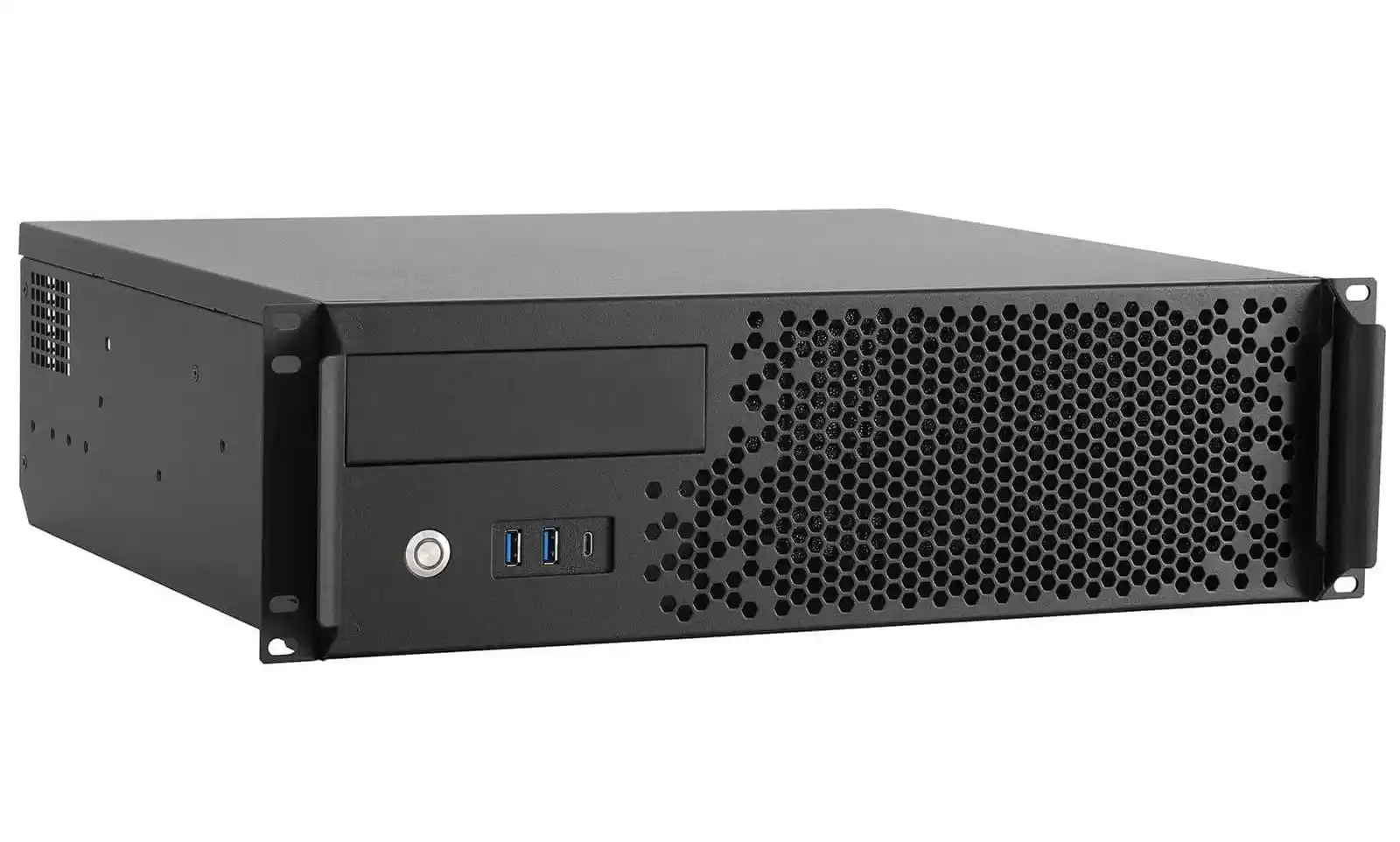
Design your server pc case choices around clean front-to-back airflow and rear busbar clearance. Start with a flexible category like Server Case and match models to your rack power topologies.
Liquid Cooling for High-Density AI Servers
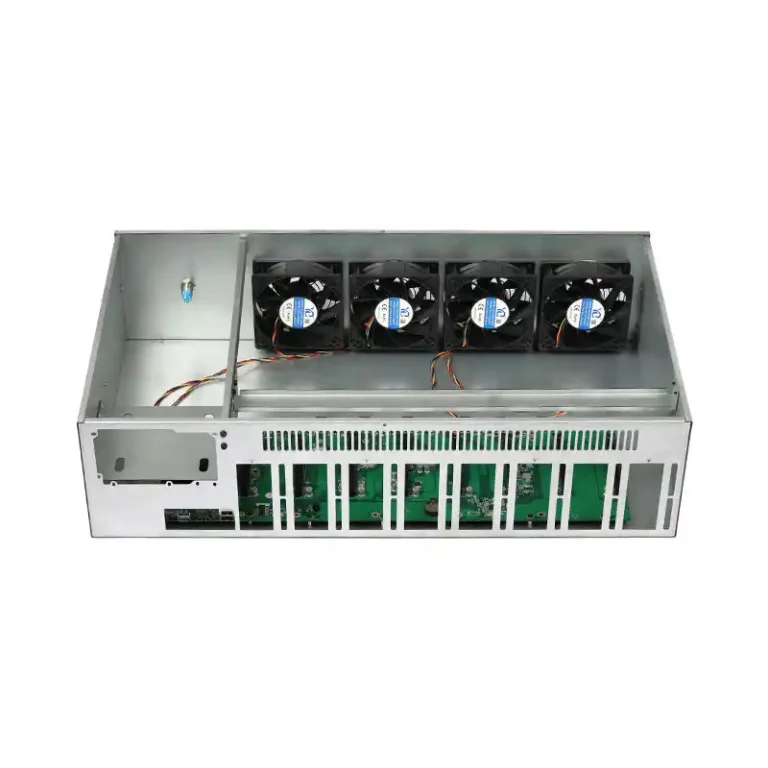
Air still matters, but liquid (cold plates, quick-disconnects) unlocks higher TDP per U and keeps fan walls from screaming. You don’t have to liquid-cool every node; start with GPU or CPU skus that push past your air limit, then mix.
Signals you’re ready
- GPUs creep past comfortable exhaust temps.
- You’re burning fan power, and room PUE wont go down.
- You see throttling in training windows.
IStoneCase angle
Pick a GPU server case with straight airflow paths, large radiators support, and easy service reach. Tool-less panels mean swaps dont stop the floor.
EDSFF NVMe (E1/E3) in 1U/2U Chassis
EDSFF moves more flash in less front area and lowers airflow resistance compared with classic 2.5″. That keeps CPUs and memory cooler while boosting IOPS density.
Why it matters
- Smoother wind tunnel → higher sustained clocks.
- Better hot-swap ergonomics and cable sanity.
- Cleaner tray designs for edge and telco short-depth racks.
Pick the right box
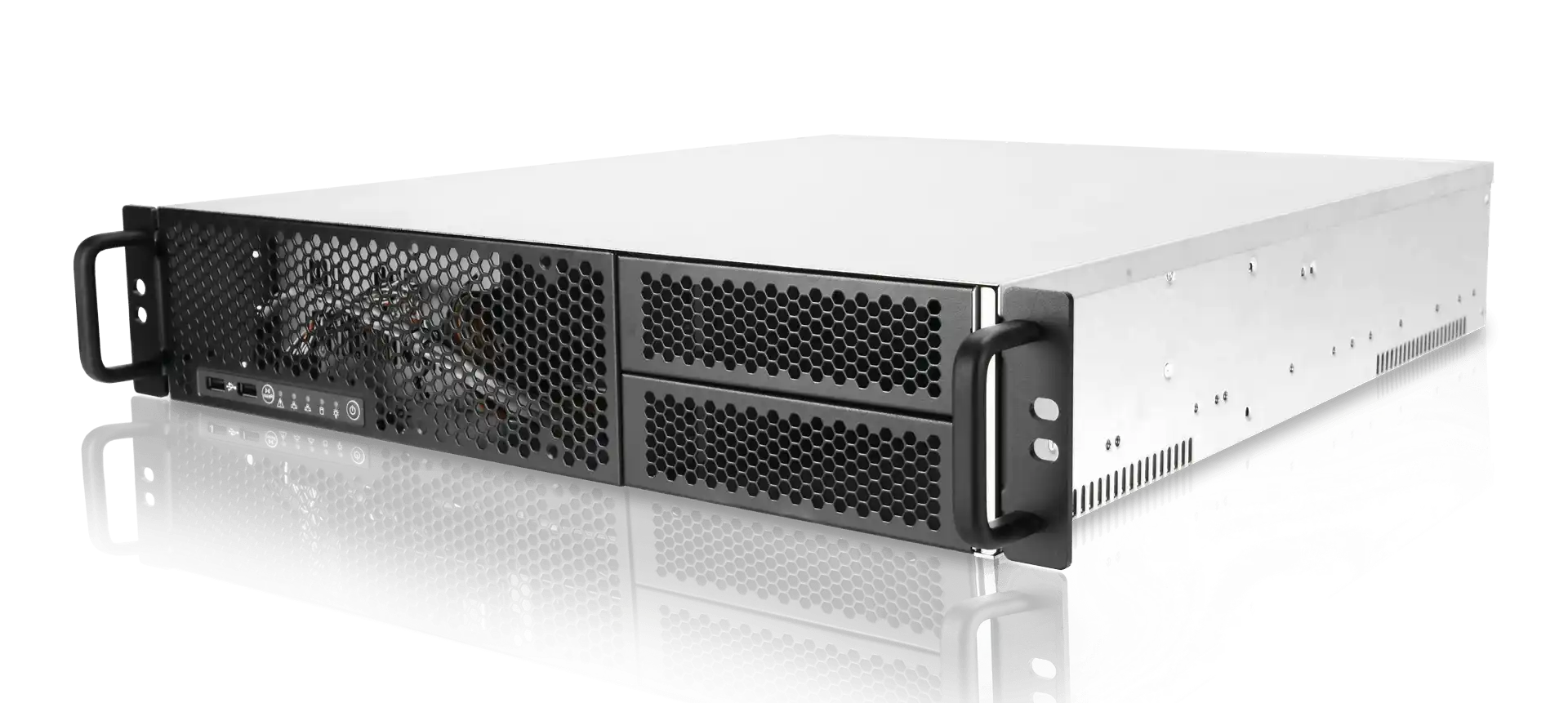
Look at dense computer case server models under Rackmount Case that combine NVMe trays + wide intake grills.
Tool-less, Hot-Swap & Modular Server Chassis
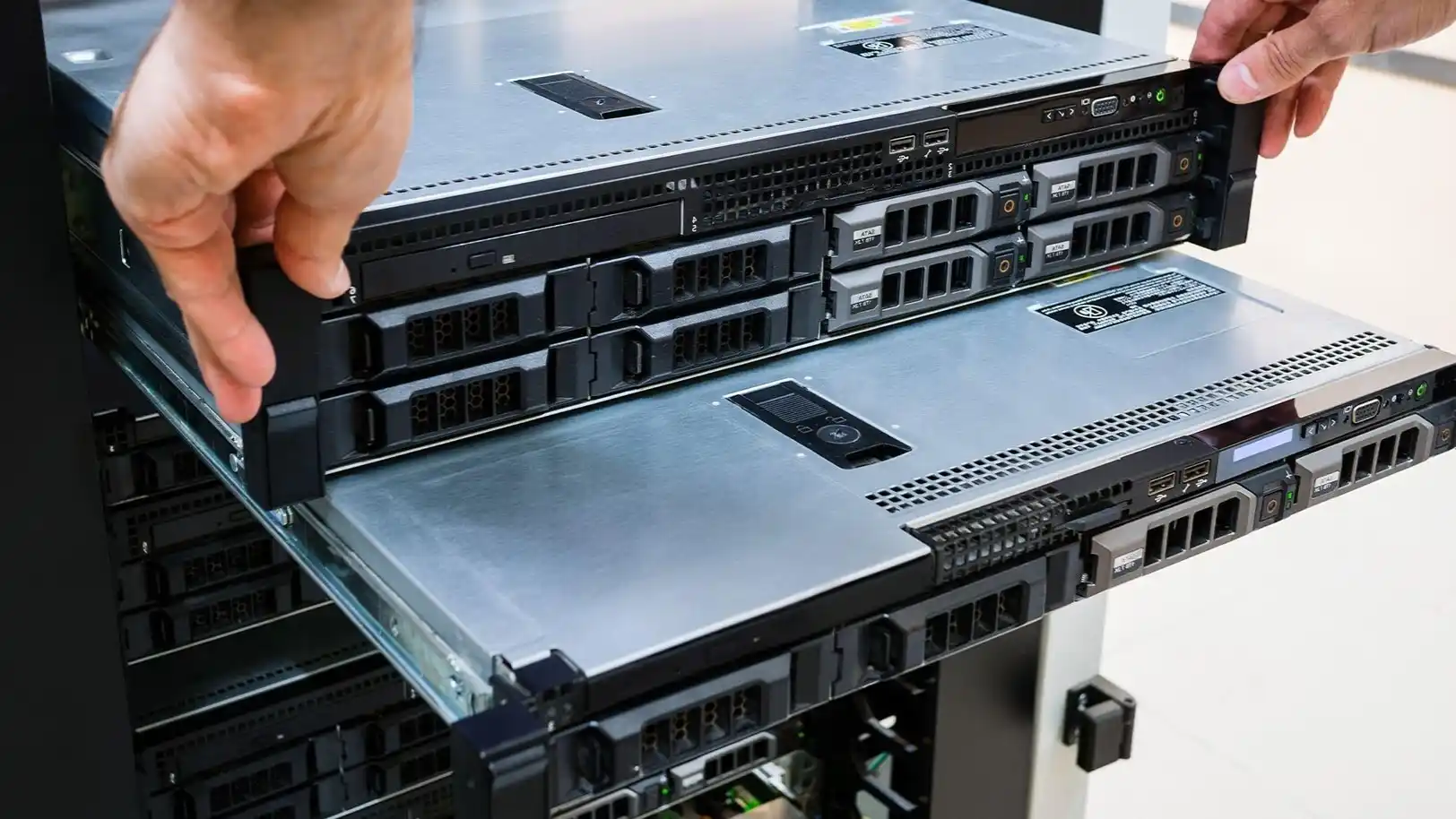
Every minute you shave from a swap shows up in app uptime. Tool-less drive carriers, hot-swap fans, and quick-release risers bring MTTR down to seconds. It’s simple: fewer screws, fewer oops.
Ops impact
- Faster FRU changes, safer hands in tight racks.
- Field techs make fewer mistakes; training gets easier.
- Spares standardize across sizes (1U–6U).
Try this
Browse Server Case and check models with quick-release fan carriers and labeled airflow arrows. If you need dual-CPU plus add-in HBAs/NICs, size the riser geometry early.
Edge Short-Depth & Front-I/O Rackmount Cases
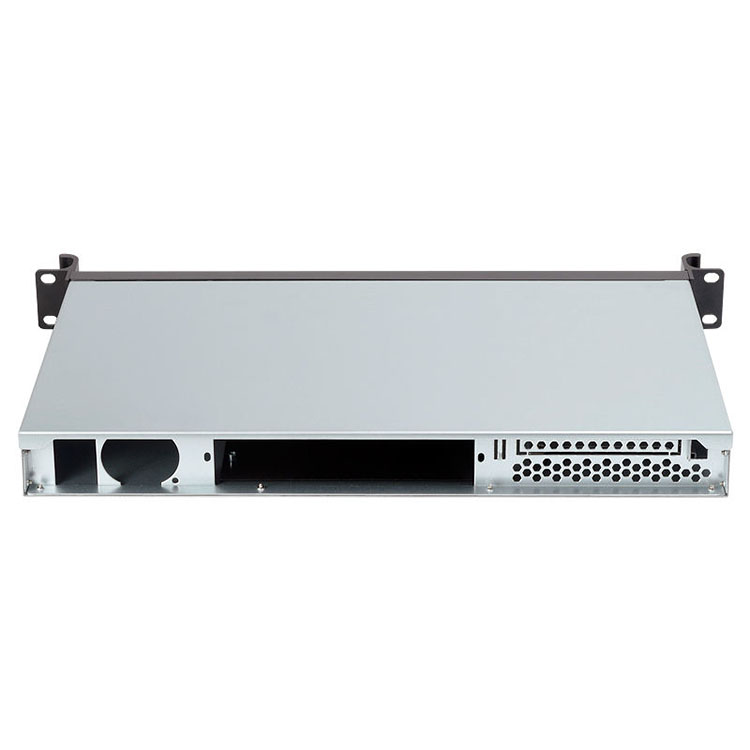
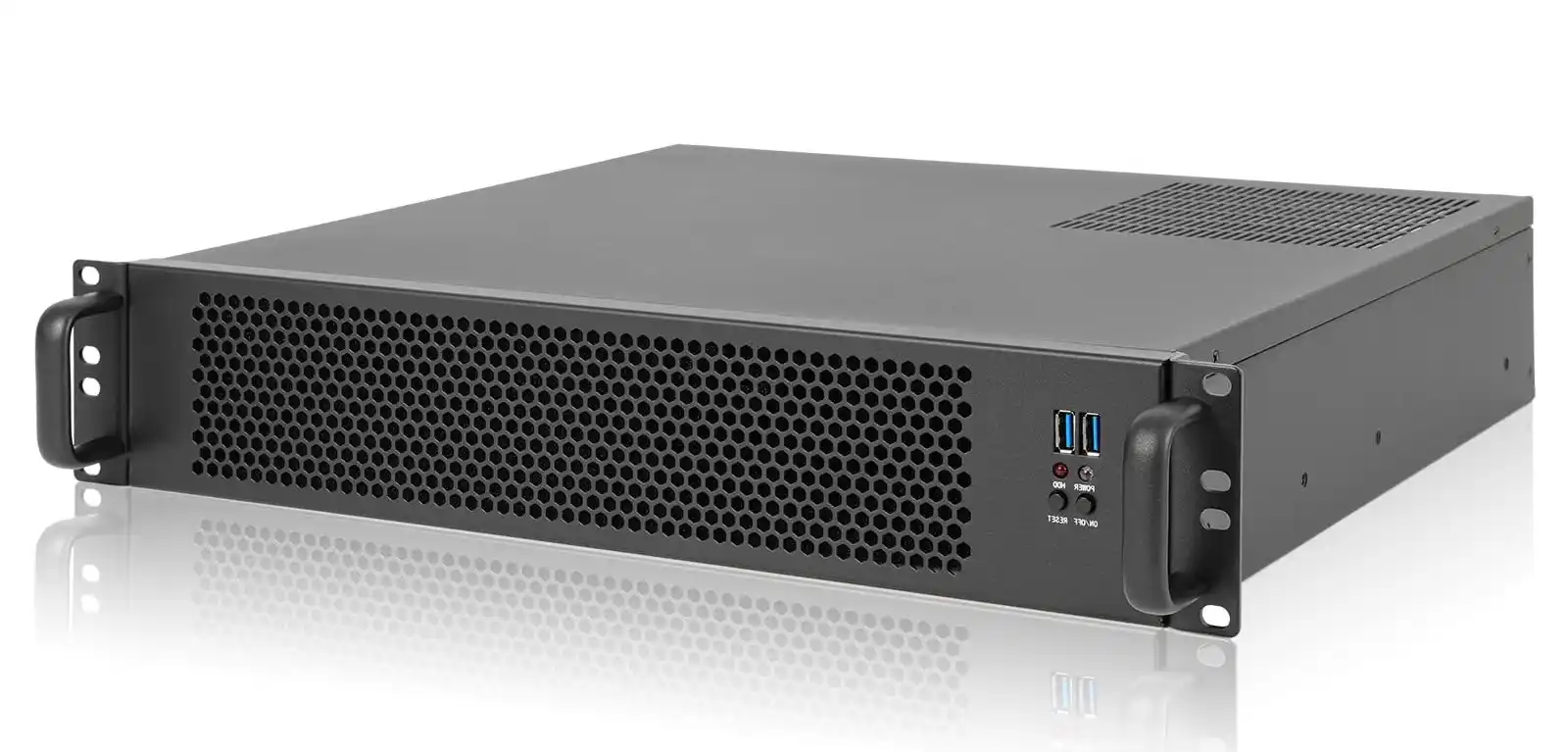
Branches, shops, plants, pop-up sites—edge racks are shallow, dusty, and sometimes wall-mounted. Short-depth chassis with front-I/O cut on-site gymnastics and reduce “door collision” drama.
Real-world scenes
- Retail: video analytics + POS failover in a 450 mm rack; front USB and serial help the local tech.
- Factory: DIN-rail power, VMs for OT gateways, vibration-tolerant drive cages.
- Telco closet: shallow rack, top-of-rack switches flush with front I/O.
What to shortlist
Check Wallmount Case for tight spaces, and pair with Chassis Guide Rail for safe slide-outs in shallow cabinets.
Physical Security: Lockable Bezels & Intrusion Switch
Edge hosts live closer to people. Lockable bezels, intrusion sensors, and secured front USB reduce tamper risk and help audits. Tie alerts into baseboard management; log the event with time and user.
Small touches that help
- Pad-lock loops on faceplates.
- Covered ports; cable retention bars; tagged spares.
- Tamper logging that your SOC actually reads.
Composable/Disaggregated Infrastructure (RSD/CDI) and Rack-Level Systems
Disaggregating compute, storage, and accelerators lets you right-size pools over time. In practice, “rack-level thinking” wins: plan the cabinet, then pick cases that slot into a composable plan.
Why it’s practical
- You extend lifecycle by swapping sled types, not racks.
- Capacity bumps become incremental, not forklift.
- You align BOMs to real workload mix: GPU nodes here, storage nodes there, stateless CPU sleds everywhere.
How IStoneCase supports
Mix and match GPU Server Case, classic Rackmount Case, and small atx server case builds (see ITX Case for compact dev and lab) under one OEM/ODM plan via Server Case OEM/ODM.
Circular Design & Serviceability (Less Waste, More Re-Use)
Choose cases with fewer fasteners, common fans, and replaceable panels. Keep cable paths clear and label everything. You’ll refurbish units, redeploy to dev or edge, and avoid tossing metal that still works.
Practical checklist
- Standard screws where you must; tool-less where you can.
- Reusable rails and ears; color-coded fan pull-tabs.
- Documented airflow for hot/cold-aisle discipline.
Transformation Map (copy-paste ready)
| Topic (H2/H3 keyword) | What changes | Enterprise payoff | IStoneCase fit |
|---|---|---|---|
| ORV3 48V Rack Power Distribution | Rack-level AC-DC + busbar; fewer per-node PSUs | Cleaner airflow, fewer parts, faster scale | Server Case + rear clearance for busbars |
| Liquid Cooling for High-Density AI Servers | Cold plates, QD fittings, tuned fin stacks | Higher TDP per U, quieter lanes, fewer throttles | GPU Server Case with radiator support |
| EDSFF NVMe (E1/E3) in 1U/2U Chassis | Lower airflow resistance vs 2.5″ | Better thermals, more IO density | Rackmount Case with E1/E3 bays |
| Tool-less, Hot-Swap & Modular Server Chassis | Quick-release fans, risers, trays | MTTR in seconds; safer field work | Server Case with tool-less kits |
| Edge Short-Depth & Front-I/O Rackmount Cases | Shallow depth, front ports | Easy install in closets, shops, plants | Wallmount Case + Chassis Guide Rail |
| Physical Security | Lockable bezel + intrusion switch | Fewer tamper incidents; easier audits | Locking options across server rack pc case lines |
| Composable/Disaggregated & Rack-Level Systems | Pool compute/storage/accel by rack | Lifecycle extension; smooth upgrades | Mix GPU + Rackmount + OEM/ODM |
Field Scenes You Can Steal (and sell)
- AI training pod: Start with 6U GPU nodes for training runs, add a 2U CPU inference row later. Keep rails reusable and airflow aligned. You dont need to re-rack the row when budgets shift.
- Data warehouse refresh: Swap 2.5″ bays for EDSFF in 2U boxes; keep the same rail sets; uplift IO without tearing down power paths.
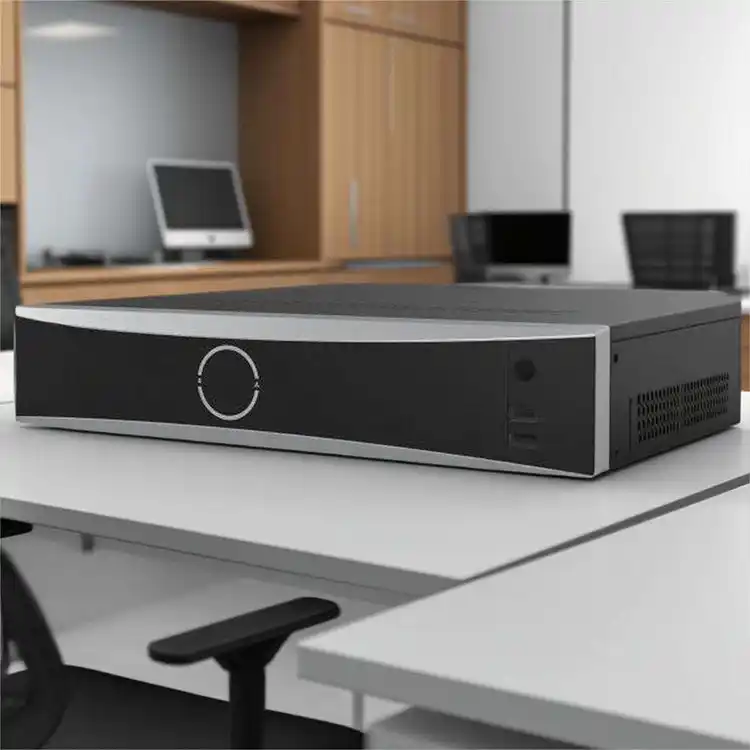
- Branch stack: One short-depth front-I/O node for cameras and POS, one small NAS for backups, and one compact computer case server for IAM/DHCP. Everything slides on the same rails so techs dont fight gravity.
- Manufacturing edge: Dust filters, locking bezels, labeled fan pulls. If a fan dies, a junior tech can yank-and-drop in under a minute; no screw hunt.
- SecOps crossover: Use intrusion switch signals as a SOC rule. If the bezel opens after hours, ticket + camera check. Low drama, high signal.
Buying Tips (zero fluff, straight talk)
- Start at the rack plan, not the node. Decide ORV3 vs traditional PSUs, then pick chassis that don’t fight the plan.
- Thermals rule. Air paths should be straight; drive walls shouldn’t choke fans. If you go liquid, make QD access idiot-proof.
- Service beats theory. Tool-less beats pretty. If a drive caddy needs a Torx, it’s a no from ops.
- Standardize rails. One rail kit line across 1U–4U saves hands and time.
- Edge is messy. Prefer short-depth, front-I/O, and lockable bezels for any site outside a real data hall.
- Design for reuse. You will repurpose cases. Modular panels and common fans keep the second life easy.
Why IStoneCase (and how to use us well)
IStoneCase focuses on performance, durability, and OEM/ODM at scale. You can order stock server rack pc case or spin a custom atx server case layout with your airflow, bracket, and port map. We support bulk wholesale and batch purchase for data centers, algorithm centers, large enterprises, SMBs, MSPs, database teams, research orgs, and devs.
- Start with categories: GPU Server Case, Rackmount Case, NAS Case, ITX Case.
- Add rails from Chassis Guide Rail so installs are sane.
- When you need brand-matched front panels or non-standard bays, go straight to Server Case OEM/ODM.