Roadmaps lie.
They look clean in a slide deck—quarters, arrows, a few reassuring “platform” boxes—but hardware doesn’t care about your calendar, and your OEM server chassis partner will quietly force the real schedule with tooling lead times, fan curves, EMI fixes, and the one thing procurement hates to hear: “that part is going EOL.”
Want the hard truth?
Are you building a roadmap, or just writing fan fiction?
Here’s the mental reset I use: a long-term roadmap is not “when we ship.” It’s what stays stable (envelope, thermal budget, compliance, service model) and what gets to move (CPU/GPU/drive mix, I/O, region SKUs) without blowing up your rack integration, your margins, or your RMA rate.
Now zoom out.
Data centers aren’t plateauing; they’re getting hungrier, and that hunger is mechanical and electrical, not just “AI.” In a U.S. government-backed update, U.S. Department of Energy says U.S. data centers used about 176 TWh in 2023 (about 4.4% of total U.S. electricity) and projects 325–580 TWh by 2028 (about 6.7%–12%). So if you’re still treating chassis selection as a late-stage “box around the board,” you’re late. By years.
Table of Contents
The dirty secret: your chassis partner already co-owns your product strategy
Short sentence. Big consequence.
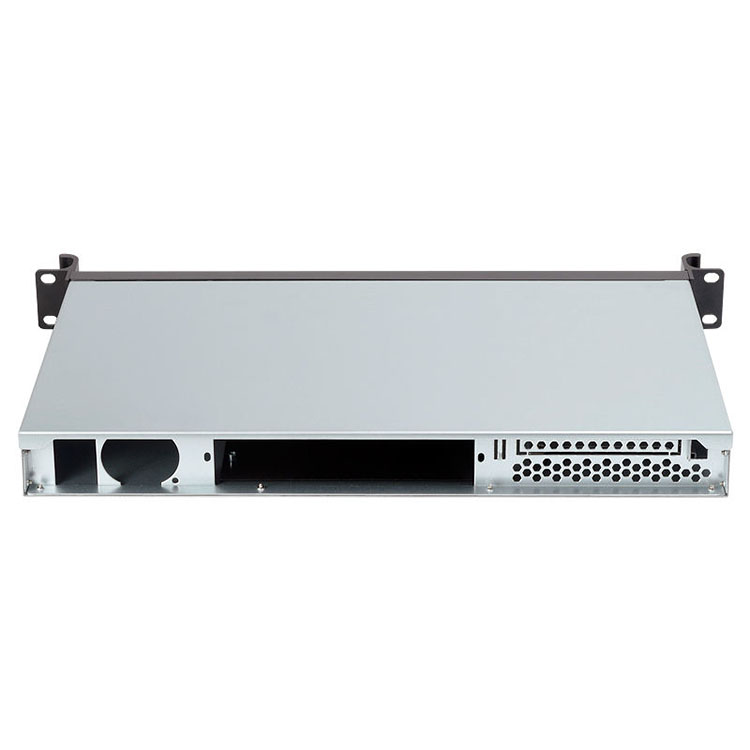
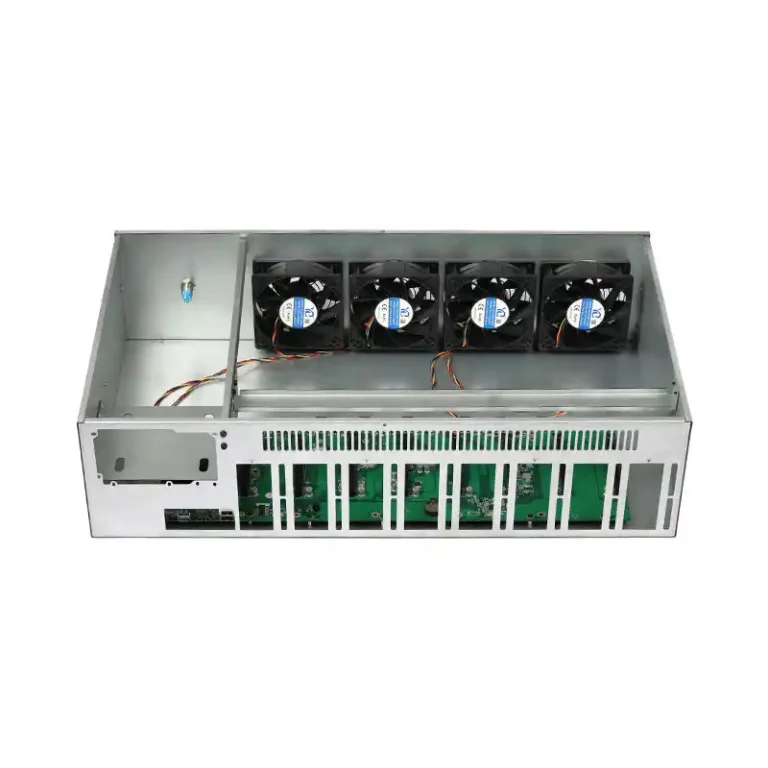
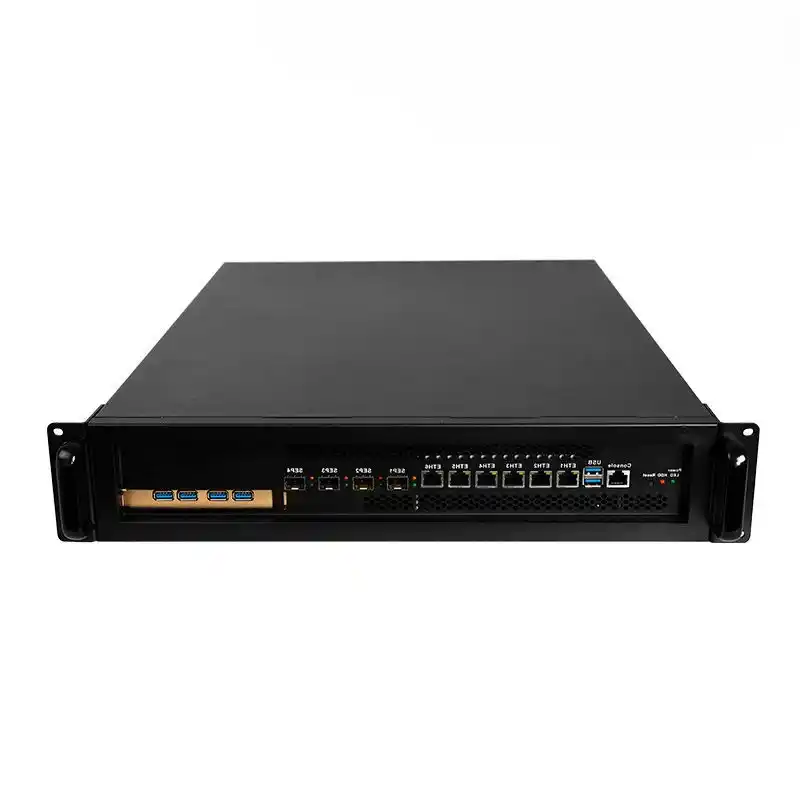
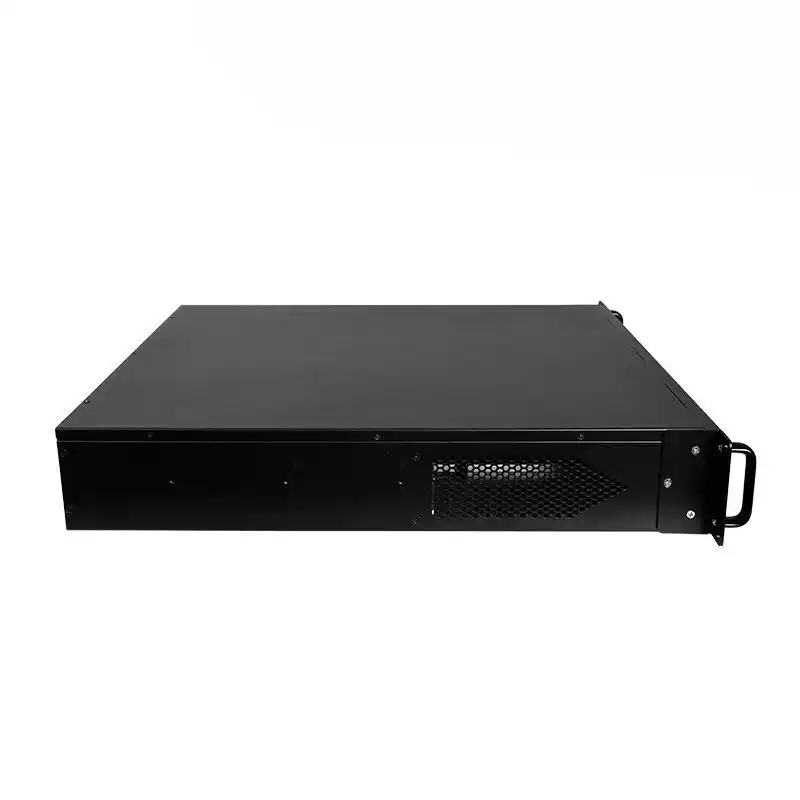
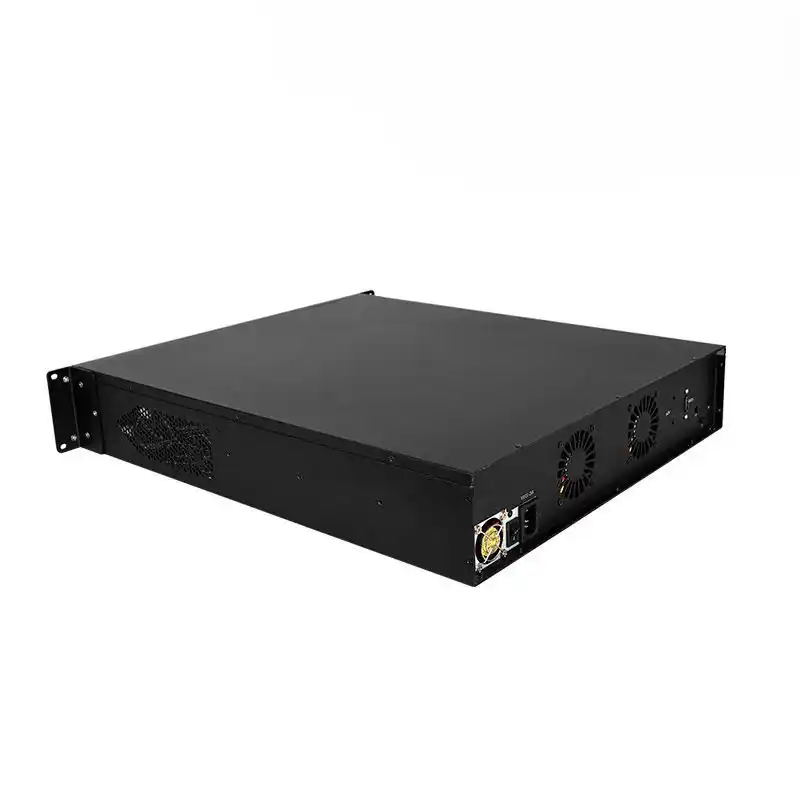
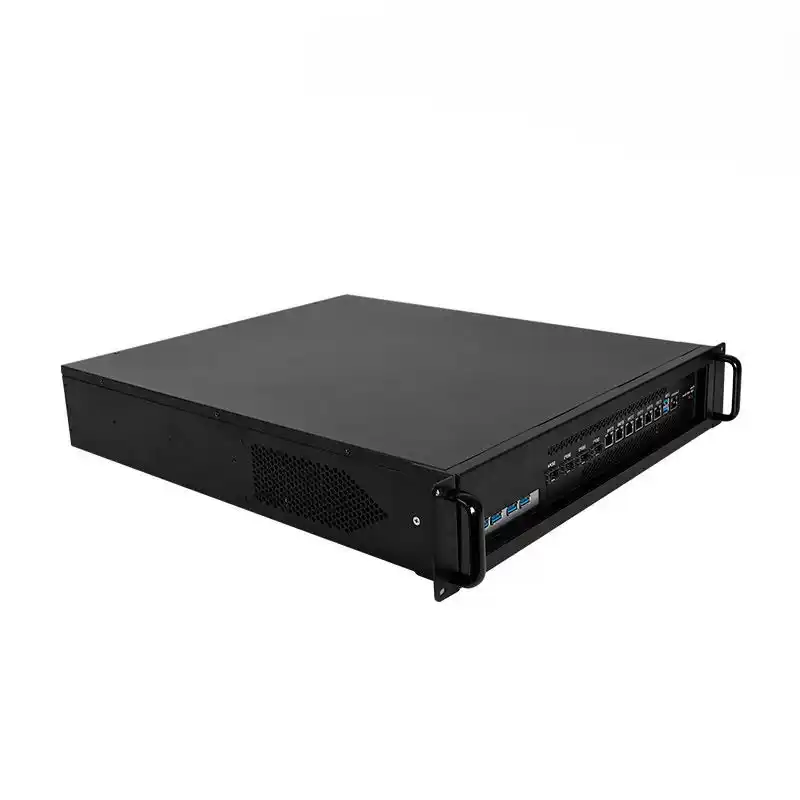
Once you commit to a chassis envelope (1U/2U/4U, 19-inch EIA rails, drive bay geometry, PCIe slot plan, airflow direction, liquid-ready cutouts), you’ve committed to downstream constraints that ripple into BOM, certifications, packaging, and field service—meaning your “server roadmap” is really a chassis roadmap wearing a compute mask.
And yes, OEM vs ODM matters here. Not as a philosophy class. As control.
If you’re working with an OEM server chassis partner like iStoneCase, the first internal link I care about is their actual scope statement: what they’ll own end-to-end versus what they’ll “support.” Their OEM/ODM server chassis service literally frames it as concept-to-production coverage. That’s not marketing fluff; that’s a governance decision you should lock early.
So ask the uncomfortable question: Who owns the spec after EVT? You or them?
Use reality-based inputs, not “forecast vibes”
Three words: Power. Heat. Humans.
Your roadmap has to carry “unsexy” inputs that don’t fit in product marketing, because they decide whether a platform survives gen-to-gen:
- Thermal envelope: CPU TDP, GPU TGP, memory/HBM heat density, drive thermals. Name the numbers. (Example: 2× 350W GPUs is not “GPU-ready,” it’s a different airflow and acoustic plan than 2× 150W.)
- Acoustic constraints: enterprise buyers still reject screamers. Fan RPM is margin.
- Service motion: front-service vs rear-service; tool-less trays; cable paths; mean-time-to-repair targets.
- Compliance stack: UL/IEC 62368-1, CE/EMC, FCC Part 15, RoHS/REACH. Decide if you’re shipping globally or “North America first.”
Then tie it to demand volatility.
In March 2024, Reuters reported Foxconn expected a 40% jump in AI server sales in 2024 and described very strong demand. That kind of surge is exactly when chassis programs get sloppy—rushed substitutions, half-tested airflow tweaks, and “we’ll fix it in rev B” thinking that turns into warranty pain.
Question time: when demand spikes, do you have a chassis roadmap—or a scramble plan?
Build the roadmap like a contract, not a mood
Here’s the framework I’d put in front of any skeptical CTO or supply-chain lead. It’s blunt on purpose.
1 Lock the “mechanical platform” in waves
One week sentence: Freeze what’s expensive to change.
Tooling, sheet metal bends, backplane alignment, and rail geometry are the slowest and most expensive things to revise late—so you freeze them earlier than you freeze compute options.
Practical move: define two layers.
- Platform Layer (24–36 months): chassis envelope, airflow scheme, rail strategy, PSU bay standards, front I/O location, cable management plan.
- SKU Layer (6–18 months): CPU/GPU mix, drive count options, risers, NIC type, RAID/HBA, cosmetic/branding.
If you want a concrete internal reference for how manufacturers think about phases, iStoneCase’s OEM/ODM project timeline from RFQ to mass production makes the same point: treat the timeline like a roadmap with gates, not a black box.
2 Write a “change budget” into the roadmap
This is where grownups separate from amateurs.
You pre-approve what changes are allowed post-freeze—because they will happen—and you map them to cost/time impact.
Examples I’d explicitly classify:
- Allowed late: fan vendor swap within validated curve; bezel branding changes; minor bracket revisions.
- Painful late: airflow direction change; adding drive bays; moving PSU bay; changing board form factor.
- Catastrophic late: redesigning for liquid after you’ve shipped air-only; changing rail depth requirements after customers have racks installed.
3 Treat geopolitics as a chassis requirement
I’m not being dramatic. I’m being practical.
Export controls and compliance rules can turn “same chassis worldwide” into “regional variants,” and if you don’t plan for that, you’ll eat rework.
The U.S. government’s export-control posture around advanced computing has tightened repeatedly. BIS published updates in the Federal Register that expand and clarify controls around advanced computing ICs and systems. Federal Register: BIS advanced computing export controls (Oct 2023). And Reuters noted further rule revisions in March 2024, including clarifications that restrictions can extend to systems like laptops containing controlled chips. Reuters: U.S. updates export curbs (Mar 2024).
So bake this into the roadmap: two BOMs, two compliance packs, two labeling stacks. Pretend it’s inevitable, because it often is.
Internal linking that actually supports the reader
If you’re building with iStoneCase specifically, don’t bury the useful pages—use them as roadmap artifacts:
- Start with the scope and governance on the OEM/ODM server chassis partner page.
- If your roadmap leans GPU-heavy, anchor decisions around airflow and expansion with their AI computing server chassis OEM/ODM overview.
- Pressure-test rack fit and deployment friction using their custom rackmount server chassis guide.
- Don’t skip service design: their after-sales and RMA models for global server chassis OEM business is the right reminder that “shipping” is the midpoint, not the finish line.
- And yes, rails matter more than you think. The tool-free chassis guide rail model 600-0040 calls out 38kg max load and 800–1000mm cabinet depth—numbers that should literally appear in your roadmap validation checklist.
A roadmap table you can actually use
| Roadmap Horizon | What You Freeze | What You Keep Flexible | OEM Server Chassis Partner Deliverables | What Breaks If You Ignore It |
|---|---|---|---|---|
| 0–6 months | Prototype envelope, airflow concept, board I/O zones | Fan options, bracket details, cosmetic | EVT sample builds, airflow mockups, tolerance stack-up review | Thermal hot spots, impossible cable paths |
| 6–12 months | Sheet metal geometry, drive bay plan, rail strategy | Riser configs, NIC/RAID options, front I/O | DVT builds, EMI mitigation iterations, assembly SOP drafts | EMI failures, missed ship dates |
| 12–24 months | Compliance pack, packaging spec, service model | Regional SKU labels, minor BOM alternates | Certifications support, packaging drop-test plan, RMA workflow | Customs holds, field returns, margin bleed |
| 24–36 months | Platform refresh path, EOL/PCN governance | Component substitutions within validated ranges | PCN/EOL alerts, second-source proposals, refresh tooling plan | Surprise retooling, forced redesign mid-cycle |
FAQs
What is an OEM server chassis roadmap?
An OEM server chassis roadmap is a multi-year plan that defines which mechanical, thermal, compliance, and serviceability decisions will stay stable across product generations, and which compute/storage options can change safely inside that fixed envelope, with gated milestones that match tooling, validation, and supply-chain realities.
Once you write it that way, the roadmap stops being aspirational. It becomes testable: every quarter you can ask, “Did we change something that should have been frozen?” and “Did we validate the substitutions we allowed?”
What’s the difference between OEM vs ODM for server chassis?
OEM vs ODM for server chassis describes who owns the core design authority: OEM typically builds to your spec (you own the design intent), while ODM typically proposes or owns a reference design you customize, which can accelerate timelines but reduces uniqueness and can constrain long-term differentiation.
If you want a roadmap that survives two refresh cycles, be explicit about who approves mechanical changes after DVT. Silence here is expensive later.
How far out should hardware product roadmap planning go for chassis?
Hardware product roadmap planning for chassis should run 24–36 months for platform-level decisions (envelope, airflow, rails, compliance approach) and 6–18 months for SKU-level decisions (CPU/GPU/drive mixes), because the physical platform has long lead times and high rework costs compared to swappable compute components.
The DOE data-center demand trajectory is exactly why: more power density is coming whether your organization is “ready” or not.
What should I share with my OEM server chassis partner to get a real roadmap?
To build a real roadmap with an OEM server chassis partner, you must share forward-looking constraints—power/thermal budgets, board form-factor targets, I/O plans, deployment racks (depth, rail type), service motion, target geographies, and price bands—because the partner cannot design around unknowns without padding cost, time, or risk.
If you keep these inputs vague, you’ll get vague deliverables: generic airflow, generic brackets, generic pain.
How do I choose the best server chassis OEM supplier for long-term plans?
Choosing the best server chassis manufacturer for long-term plans means evaluating their governance discipline: PCN/EOL communication cadence, validation rigor (EVT/DVT/PVT behaviors), compliance support, tooling transparency, and after-sales readiness—not just sample quality—because the roadmap lives or dies on execution under change, not on the first prototype.
I also look for proof they understand service reality (RMA models, spares strategy) and that they’ll document what changes are allowed post-freeze.
Conclusion
If you want a roadmap that doesn’t collapse the first time demand spikes or a part goes EOL, treat your chassis workstream like a product in its own right. Start by turning your assumptions into a shared artifact with your OEM partner—then map it to phases, rails, thermals, compliance, and service.
If you’re evaluating iStoneCase specifically, begin with their OEM/ODM server chassis service scope, then cross-check your schedule against their RFQ-to-mass-production timeline. That’s how you stop guessing—and start controlling the roadmap.