We all talk about the Graphics Processing Unit (GPU), don’t we? It’s the engine that drives modern Artificial Intelligence and Machine Learning. You’ve probably invested heavily in the latest NVIDIA or AMD hardware, but here’s a thought: You can’t expect a Formula 1 engine to win races if you install it in a weak chassis.
That humble server pc case isn’t just a metal container. It’s the critical piece of infrastructure that manages power, dissipates extreme heat, and ensures your complex ML algorithms—like training a massive language model or running real-time computer vision—perform flawlessly, 24/7. Without the right “home,” your expensive GPUs will underperform, leading to the biggest pain point in the industry: wasted time and inconsistent results.
Let’s dive into the specifics.
The Unsung Architect: How Specialized Chassis Empower Your GPUs
The deep learning process, which is fundamental to modern AI, relies on massive parallel processing. This is what GPUs are built for. However, they generate a lot of heat, they use a lot of power, and they need to talk to each other very fast. A standard atx server case or off-the-shelf housing simply can’t handle this workload.
This is where the specialized, GPU-optimized chassis comes in. It’s an engineered solution, not just a box, designed to solve the very specific, high-stakes problems faced by data centers and algorithm labs.
The table below breaks down exactly what these designs do for your ML workload:
| Core Argument (Specific Design Feature) | Practical Benefit for AI/ML Workloads | Relevant Audience & Use Case |
|---|---|---|
| Optimized Airflow and Thermal Engineering | Guarantees 24/7 Operational Stability: Advanced cooling (like smart fan control, specialized heat sinks) prevents the dreaded Thermal Throttling, ensuring high-end GPUs sustain peak performance for days-long training runs. | Data Centers, Research Institutions |
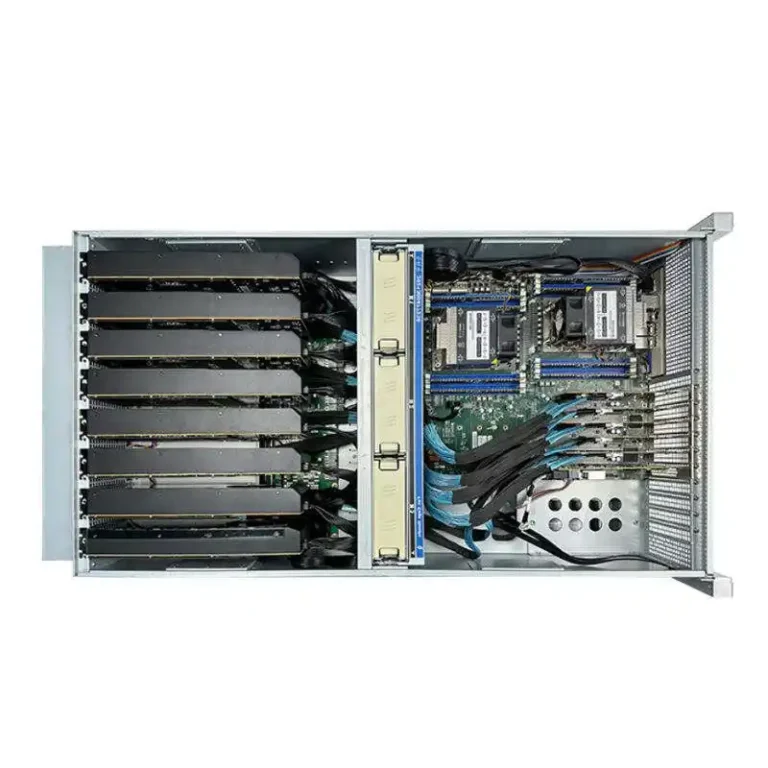
| High-Density GPU Support with Necessary Spacing | Enables Extreme Parallel Computing: These cases support multi-GPU arrays (8, 10, 13+ cards) with adequate card-to-card spacing, allowing you to massively scale your compute power and significantly cut down model training cycles. | Algorithm Centers, Large Enterprises |
| Reinforced Power Delivery and Dedicated Backplanes | Ensures Consistent High-Wattage Power: Specialized power infrastructure and reinforced PCIe slots prevent power instability and system failure when multiple high-TDP GPUs (like the A100 or H100) are running at full tilt. | Technical Enthusiasts, Database Providers |
| Accelerated Parallel Processing via Structure | Significantly Boosts Performance Efficiency: The chassis supports the physical layout necessary for quick interconnectivity (like NVLink bridges), allowing GPUs to communicate data instantly, which is vital for complex tasks like reinforcement learning. | IT Service Providers, Developers |
| Long-term Scalability and Future-Proofing | Protects Your Infrastructure Investment: Designs often include features like flexible rail systems (Chassis Guide Rail) and modular component support, making it easy to upgrade or swap GPUs as your AI projects evolve. | Machine Learning Startups, System Integrators |
Cooling is King: Stopping Thermal Throttling
Heat kills performance, plain and simple.
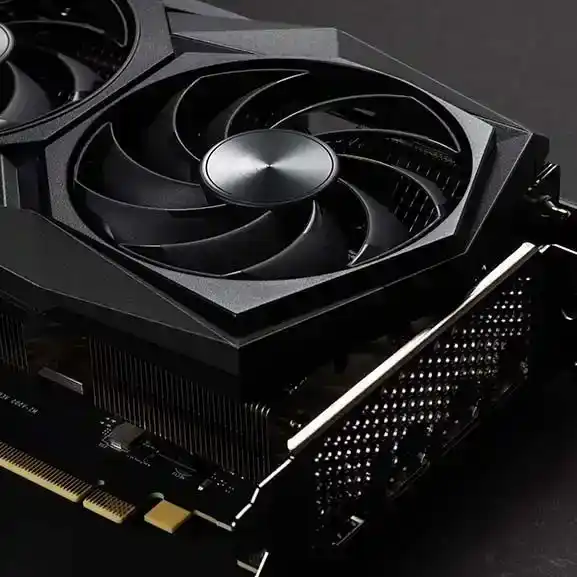
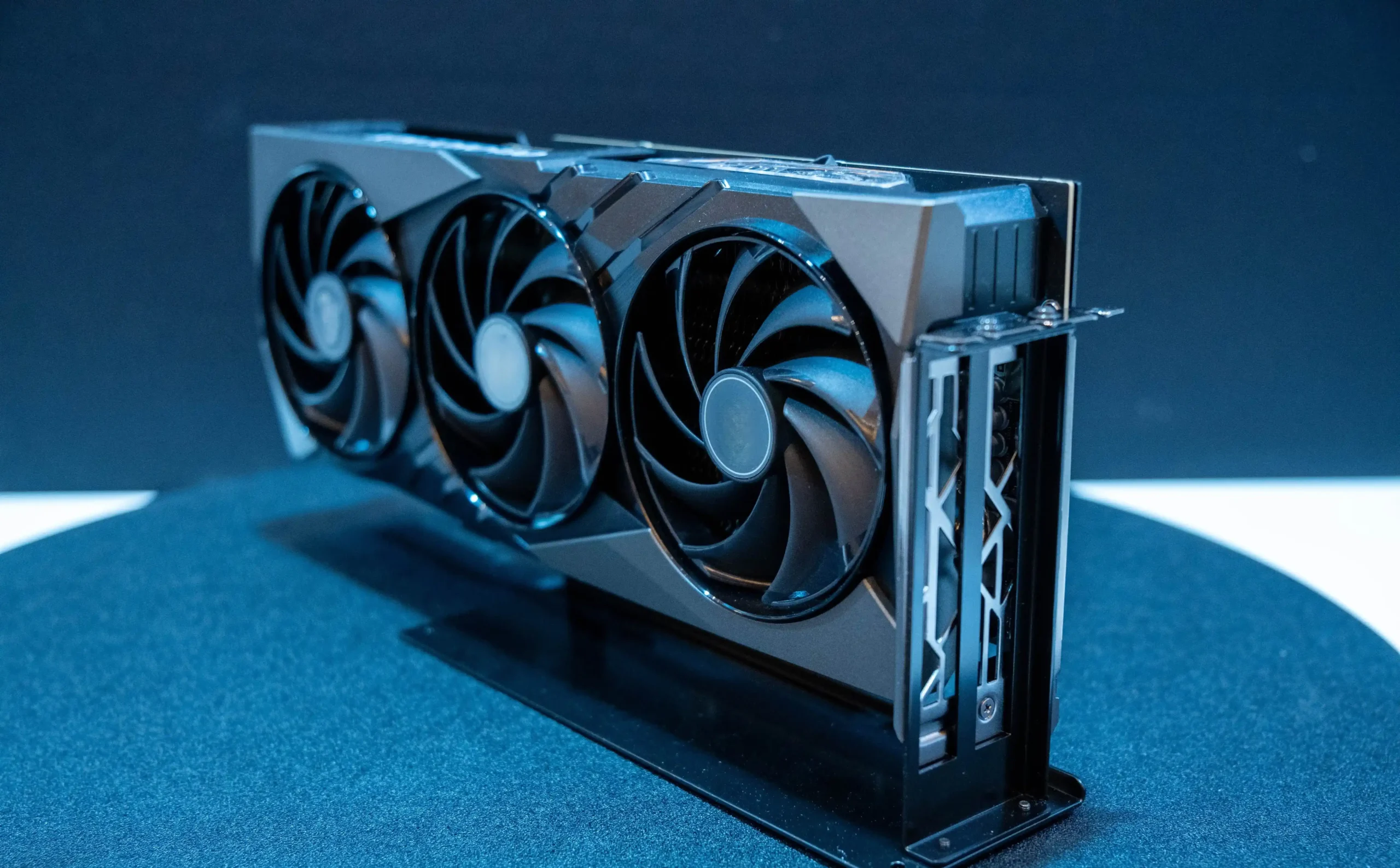
When you’re running those massive deep learning models, especially on huge datasets, you simply can’t afford downtime or inconsistent performance. Your GPUs are working overtime, churning out gigawatts of heat. If that heat isn’t effectively removed, the GPU itself will automatically slow down to protect its hardware. That’s thermal throttling, and it’s basically throwing money away.
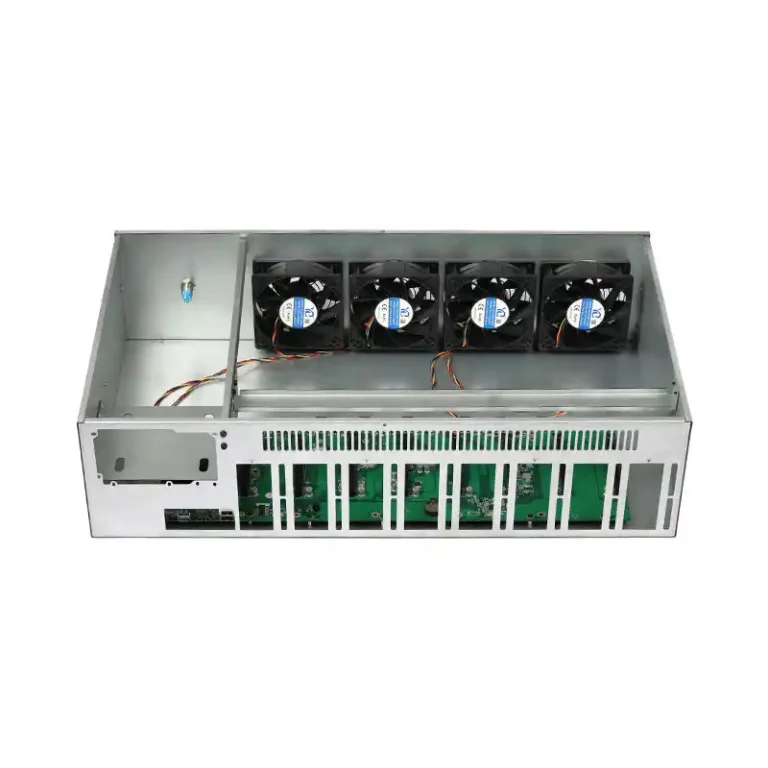
A specialized server rack pc case moves air efficiently. It uses strategic fan placement and often supports more advanced liquid or direct-to-chip cooling solutions. We’re talking about dedicated thermal architecture—not just slapping in a few fans. This design keeps your expensive hardware cool and operating at its rated speed, maximizing the return on your GPU investment. It’s about predictability, and predictability is gold in the AI world.
Density and Power: Scaling Your ML Operations
The complexity of modern AI models means you don’t just need one GPU; you need a farm of them working together.
High-density GPU Server Case are engineered to hold an array of cards while providing the necessary internal volume and dedicated power connections. Crucially, they manage the power draw. A single high-end AI accelerator can draw hundreds of watts. Multiplying that by eight or ten means you need a robust, custom-tailored power delivery system that a generic computer case server just doesn’t possess.
Furthermore, a well-designed chassis supports the physical spacing needed for the cards to breathe and for the critical high-speed interconnect cables (like NVLink) to be routed efficiently. This allows the cards to truly act as one unified supercomputer, accelerating your training time from days to mere hours. This ability to scale and maintain stability is the difference between a viable product and an eternally stalled research project.
More Than Just a Box: Real-World Scenarios and Business Value
The benefit of these specialized enclosures shows up directly on the bottom line, especially for businesses that deal in high-volume computation.
Think about a major data center or an algorithm service provider. They need to buy in bulk. They need not just a durable product, but a consistent, customizable platform that they can deploy across hundreds of racks. This is where original equipment manufacturers OEM/ODM like Istonecase come into play.
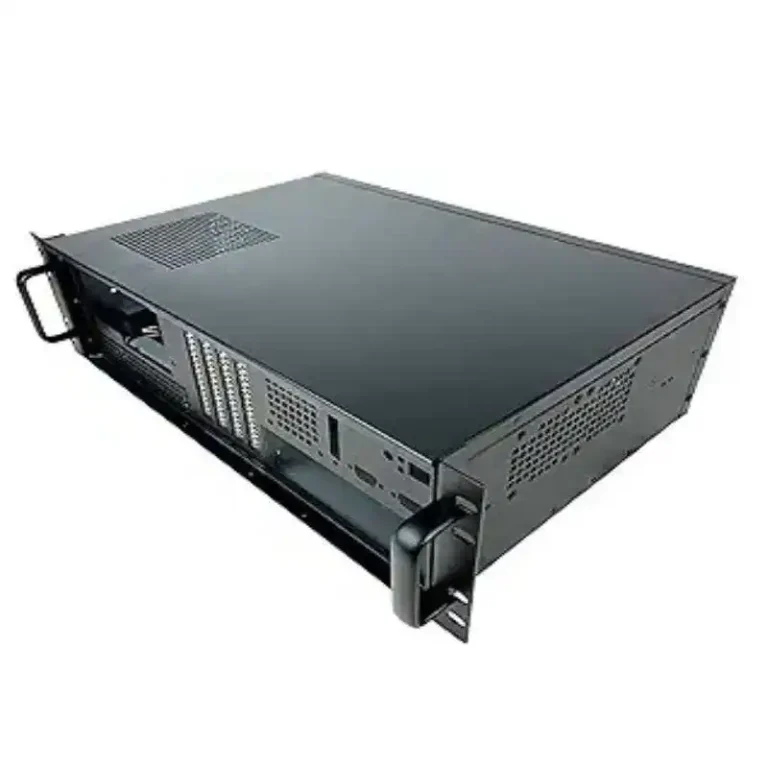
For Data Centers: They need the highest possible density in their Rackmount Case solutions to maximize compute per square foot, driving up efficiency and lowering their operating costs. This is also where high-capacity NAS Devices come in handy for storing massive datasets.
For Algorithm Centers: They need specialized Wallmount Case solutions or customized form factors for edge computing and localized deployment, where space and ruggedness are the primary concern.
For Developers and Researchers: They are often looking for versatile, high-quality ITX Case or desktop-style GPU servers for prototyping, demanding reliable cooling in smaller footprints.
When you engage with a provider like Istonecase, you’re not just buying a piece of hardware; you’re getting a customizable solution. We work with wholesalers and large enterprises to solve specific problems—like a unique cooling requirement or a specialized PCIe lane configuration. We ensure that every component, right down to the Chassis Guide Rail, is optimized for the punishing environment of continuous AI computation.
This focus on quality and customization is vital. You don’t want to be debugging a power delivery issue a year down the line; you want to focus on refining your ML model.
Final Thoughts on Hardware Reliability
We can spend weeks talking about the nuances of a new ML framework, but the foundation of all that complex software is reliable hardware. The GPU-optimized Server Case is the foundation of reliability for your AI investment. It manages the heat, handles the immense power draw, and gives you the scalability you need to stay ahead in the rapidly evolving landscape of machine learning.
Don’t let inadequate housing compromise your compute performance. Get the right solution for your GPU arrays—it simply makes good business sense.