You want raw speed, cool temps, and gear that scales without drama. Rackmount checks all three boxes. In AI training pods, render farms, and big-data backends, the rack form factor keeps compute dense, airflow straight, and service fast. Below I’ll break it down with real scenarios, a quick table, and links to the right IStoneCase gear so you can pick and deploy without guesswork.
Plain talk, light jargon, tiny imperfections on purpose. We’re keeping it human.
server rack pc case: density, airflow, uptime
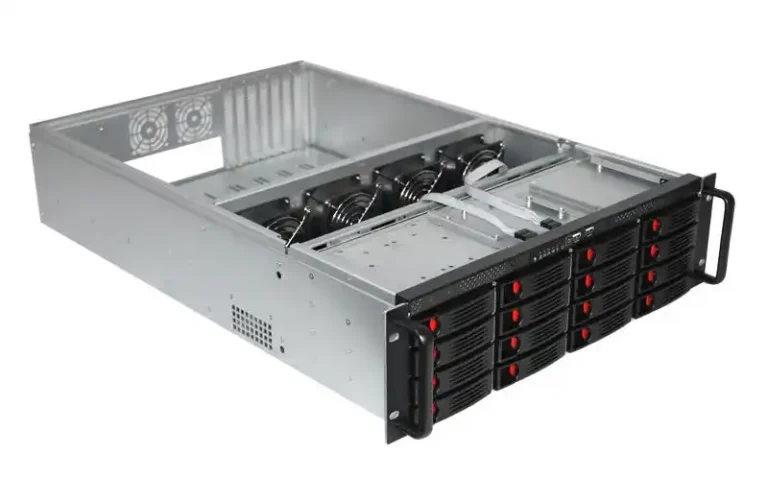
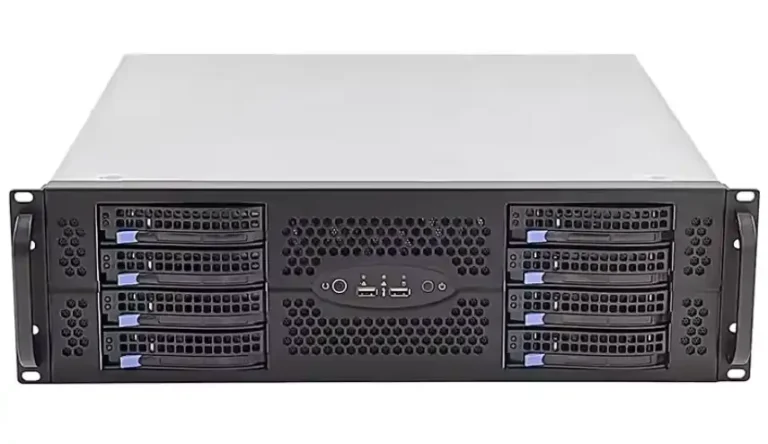
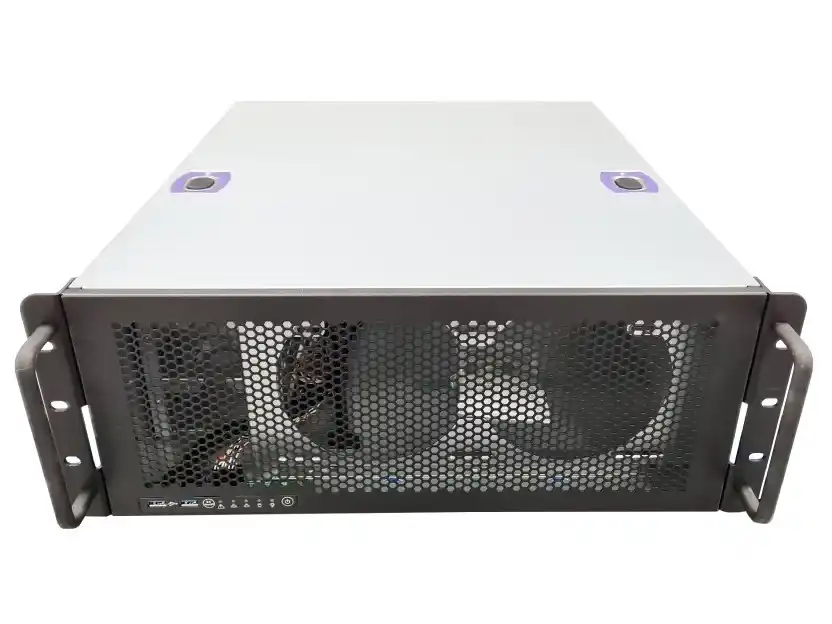
In a data room, density wins. A server rack pc case slides into standard 19-inch racks, so you stack nodes instead of scattering towers. Front-to-back airflow matches cold-aisle / hot-aisle layouts, so fans don’t fight the room. Cables route clean along rails. Less mess, more compute, more uptime.
Rackmount airflow & thermal control for a server rack pc case
High-TDP CPUs, multi-GPU rigs, and NVMe backplanes throw heat. Rackmount channels that heat in a straight shot to the rear. Your nodes don’t throttle mid-epoch, and the fan wall isn’t screaming all day. IStoneCase 1U–4U chassis lean on straight-through paths and high-pressure fan trays, so swaps take minutes, not half a day.
server pc case vs. tower: performance and sanity
A server pc case beats a tower when you need predictable thermals, tidy cabling, and low MTTR. Towers sprawl; racks centralize. With rails, labels, and front indicators, your night-shift fixes feel normal, not scary. Redundant PSUs? Hot-swap bays? Yep. That’s how you keep SLAs steady when a module blips at 3 a.m.
Serviceability in a server pc case
Rails matter. Tool-free trays matter. Front access matters. Add Chassis Guide Rail sets and you pull a node, swap a fan or drive, and push it back without wrestling the bundle. Dont overthink it—fast service is real money.
atx server case for scalable builds
When you plan to expand—more storage now, more GPUs later—an atx server case gives you slot budget and PSU headroom. 4U platforms support ATX/EATX (even EE-ATX on some), 8–11 full-height cards, and straight airflow. Perfect for hybrid AI + database boxes or fat virtualization hosts.
Capacity bumps without redesign in an atx server case
Start lean; scale clean. Add drives via hot-swap bays, drop in another NIC pair when east-west traffic spikes, or slot fresh GPUs as models grow. You keep the same chassis, rails, and service playbook—no forklift refresh.
computer case server deployments in data centers
“computer case server” is the umbrella term. In practice, you choose by workload and U-height. Here’s a quick map you can use during planning.
| Workload need | Best U-height | Why rackmount works | Typical picks |
|---|---|---|---|
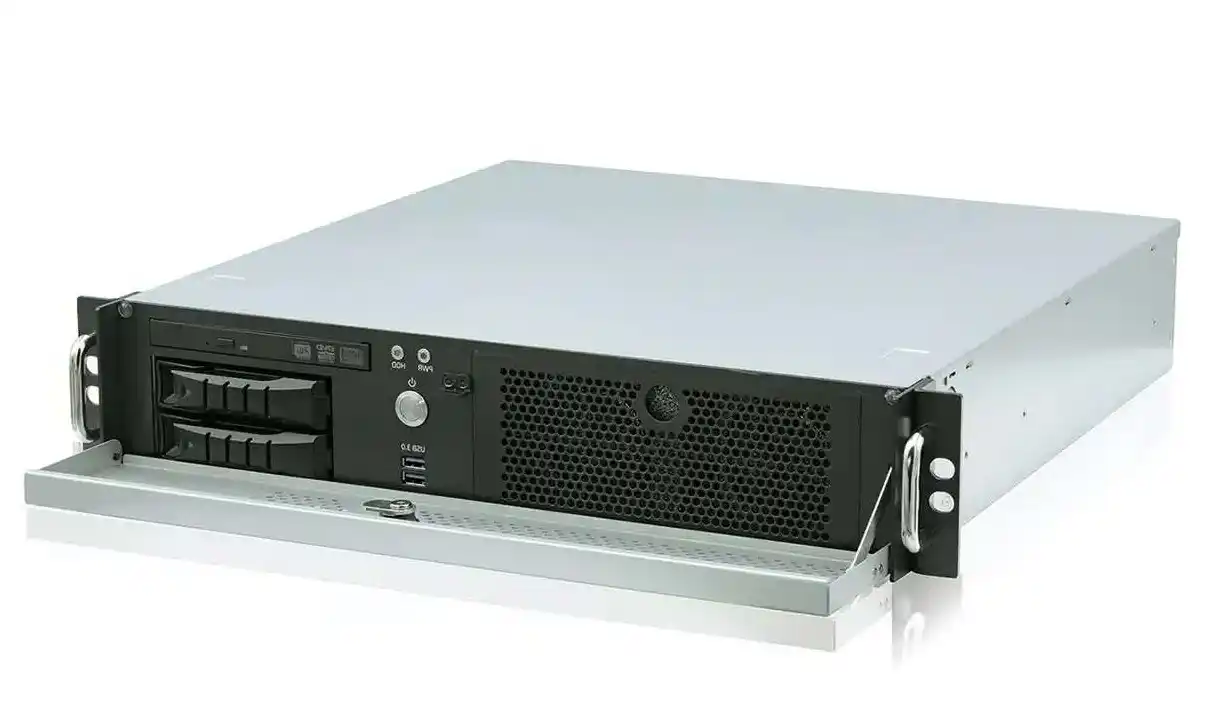
| Low-latency microservices, edge gateways | 1U | High density, short fan path, quick swaps | 1U rackmount case families with hot-swap fans |
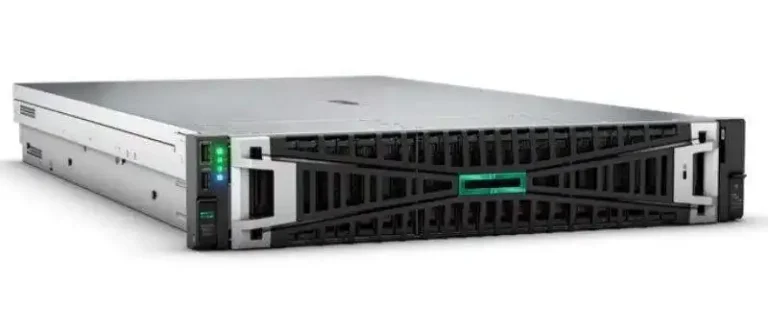
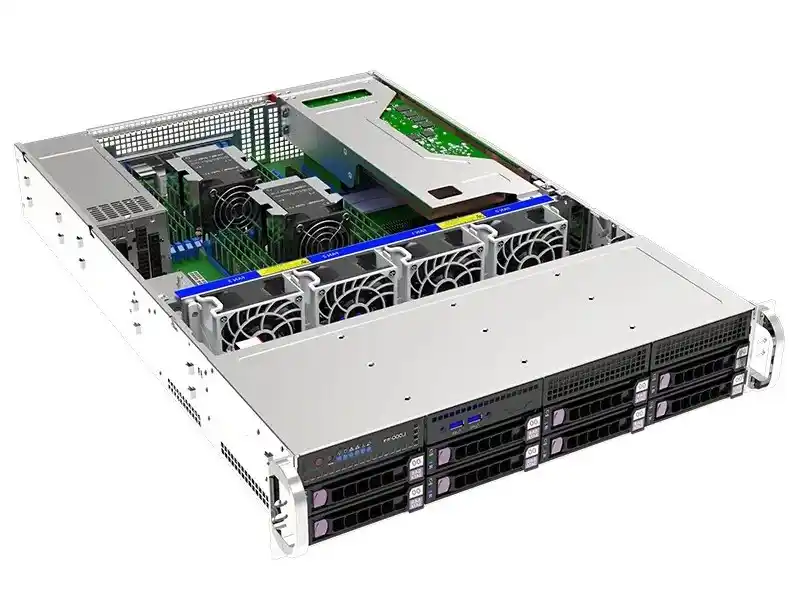
| Mixed storage + compute (DB, virt) | 2U | Taller coolers, more bays, better PCIe clearance | 2U rackmount case lines |
| Multi-GPU training, render nodes | 4U | Full-height GPUs, big airflow volume, redundant PSU | ATX/EATX 4U case |
| Storage heads / private cloud tiers | NAS form factors | Front hot-swap, neat cable paths, easy rebuilds | NAS devices across 4–12 bays |
GPU server case: AI and HPC without the meltdowns
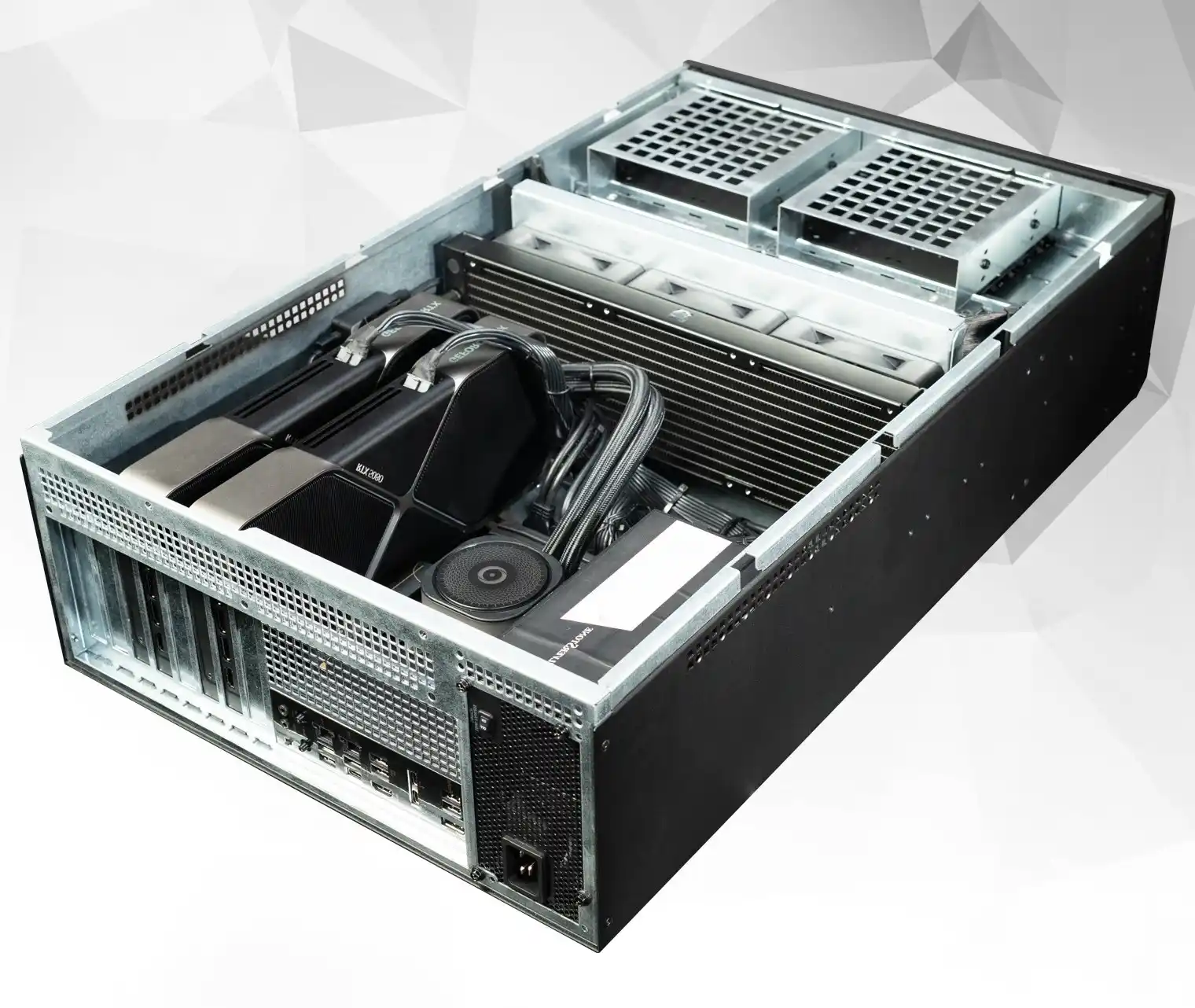
AI jobs hit power and cooling like a truck. A GPU server case solves slot spacing, intake area, and cable routing, so the board set breathes. Reinforced brackets stop sag. Straight-through airflow keeps GPU3 from hitting silly temps while GPU1 chills.
Real scenes with a GPU server case
- Training pod: 4U EATX board, four GPUs today, space for two later; dual intakes; 1+1 PSU.
- Hybrid render + cache: 2U compute fronting a small NAS shelf; NVMe scratch on U.2.
- Edge inference: 1U short-depth, one low-profile GPU, dual SFP28—tiny box, big bite.
- Burst lane for algorithm center: pre-racked 2U nodes with rails; swing-out, swap fan, back in. It just works, aint fancy.
Proof points at a glance (features → outcomes)
| Requirement | Rackmount answer | IStoneCase fit |
|---|---|---|
| Keep temps in check | Front-to-back airflow, fan walls, straight ducts | 1U rackmount and 2U rackmount lines with high-pressure trays |
| Add cards later | Full-height PCIe in 3U/4U; risers in 1U | 4U ATX/EATX case up to 11 slots |
| Fast service | Rails + front hot-swap cut MTTR | Chassis Guide Rail for tool-free pulls |
| Storage headroom | Front hot-swap walls, clean cable runs | NAS device families (4–12 bays) on the site |
| Bulk rollout ready | Consistent SKUs, spares plan, repeatable builds | OEM/ODM + wholesale from IStoneCase |
Business value (what leadership actually cares about)
- Predictable thermals → stable SLAs. Stable clocks mean steady throughput for training and analytics.
- Service speed → less downtime risk. Rails and trays make Friday fixes… boring. That’s good.
- Standardized SKUs → faster procurement and onboarding. Ops runbooks stay valid across pods and sites.
- OEM/ODM with IStoneCase → tailored fit. Front I/O changes, special filters, odd backplanes, custom rails—this is the normal menu here.
- Scalable footprint → future-proof growth. Start with a few nodes, scale rows later without re-learning the platform.
Quick buyer’s checklist for rackmount
- U-height vs workload: 1U for dense stateless compute; 2U for mixed storage/expansion; 4U for GPU beasts.
- Motherboard fit: ATX, EATX, CEB, or EE-ATX. Pick an atx server case that matches your board and cooling plan.
- Airflow plan: Prefer straight-through paths, fan walls with good static pressure, and clean cable lanes.
- Drive layout: Decide the hot-swap count you need today; leave bays for tomorrow.
- Serviceability: Add rails, label cables, keep slack for quick swaps.
- Power path: Choose redundant PSUs (1+1) for clusters; test failover during staging.
- Growth room: Leave headroom for another NIC pair, more RAM, or a GPU set. You’ll need it.
Where IStoneCase fits
IStoneCase — The World’s Leading GPU/Server Case and Storage Chassis OEM/ODM Solution Manufacturer. We provide high-quality server cases, NAS devices, and custom solutions for data centers, algorithm centers, large enterprises, SMBs, MSPs, developers, enthusiasts, and resellers. If you need performance gear that’s durable, customizable, and ready for bulk purchase, start with:
- server rack pc case families for density and airflow
- server pc case lines for general compute and DB
- GPU server case for AI/HPC stacks
- Chassis Guide Rail to keep MTTR low