You can have the best ITSM tool, clean process, perfect SLA sheet.
If the boxes in your racks run hot, vibrate, or are a pain to service, your “IT Service Ianagement” life still feels like fire-fighting.
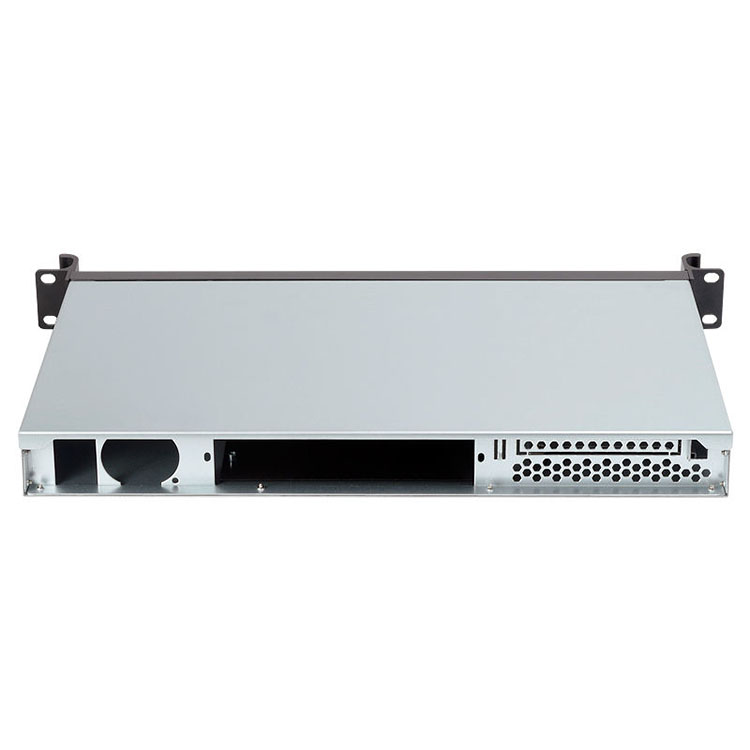
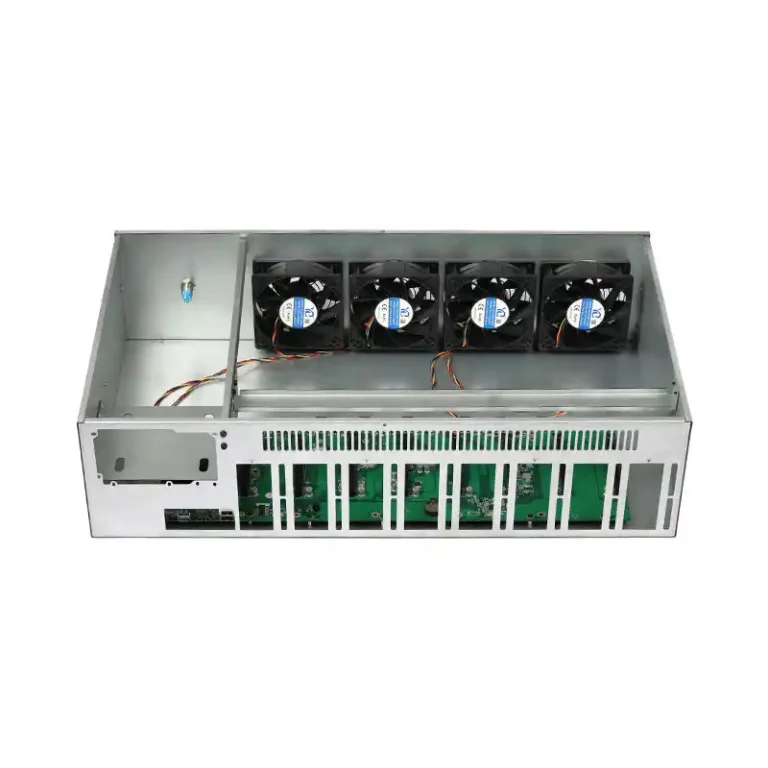
That box is the server case.
Not just metal. It’s where uptime, security and service quality actually meet the real world.
Below we’ll walk through how a server pc case shapes IT service management, with real use cases, some data style thinking, and where IStoneCase fits in.
Server Case and IT Service Management Basics
IT Service Management is about keeping services reliable, fast and safe. On paper it’s process. In the data center, it starts with the computer case server your team has to touch at 2 a.m.
A good server case gives you:
- Predictable airflow, so CPUs and GPUs don’t cook.
- Easy access to drives and power, so MTTR stays low.
- Clean cable paths, so nobody pulls the wrong link in panic.
- Rails that don’t jam when the rack is full and heavy.
For data centers, algorithm centers, MSPs, and in-house IT, this is not cosmetic.
This is what makes incident, problem and change workflows actually possible, instead of “best effort and hope.”
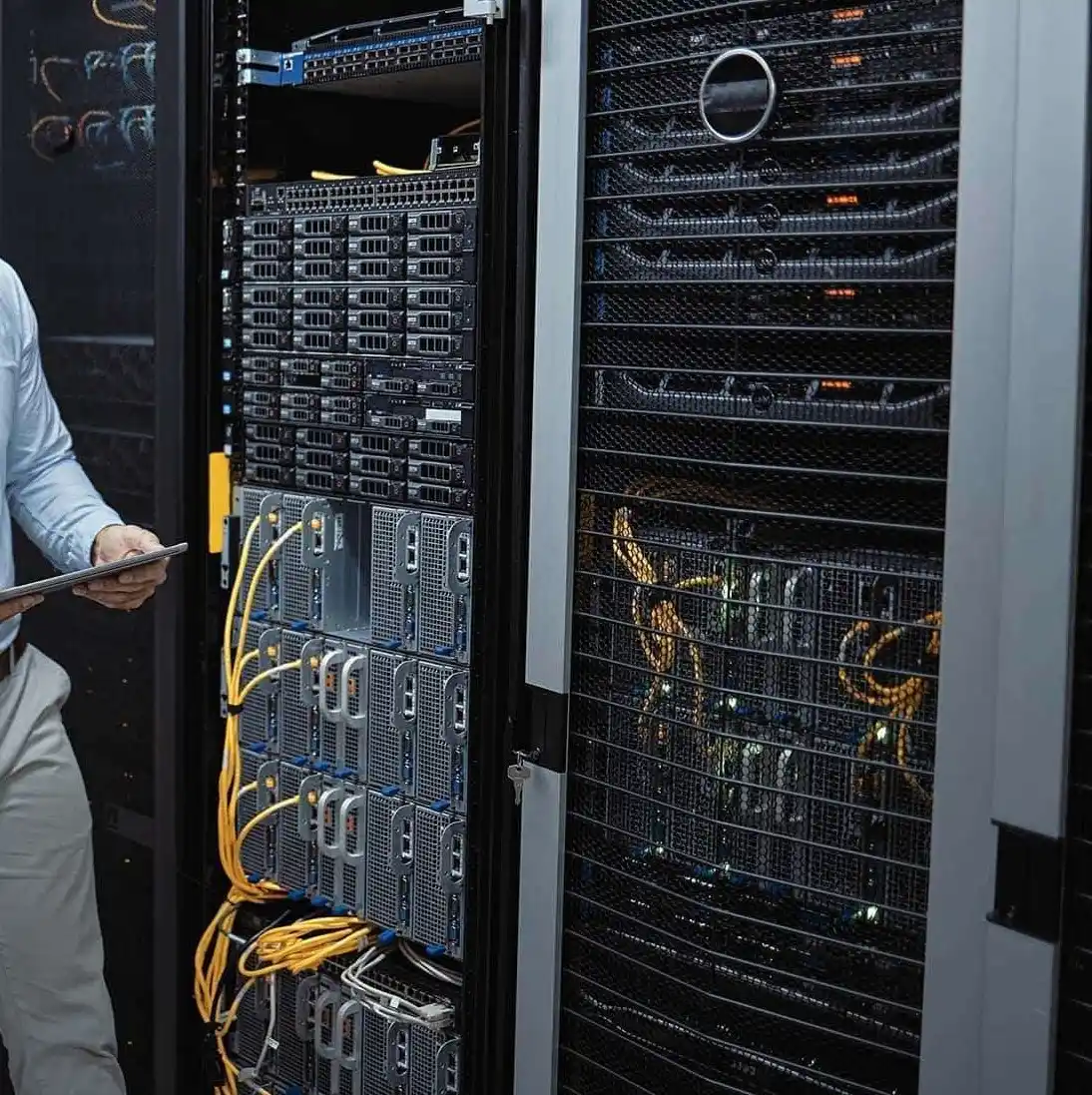
Server Case Design, SLA and Uptime in IT Service Management
Most SLAs live and die on uptime and response time. When a node drops because of heat, loose cables or weird vibration, that’s not “just hardware.” That’s a broken SLA and a angry business owner.
A well-designed server rack pc case lets you keep those numbers under control.
Think of it like this:
| ITSM focus | Typical KPI in practice | What a better server case changes | IStoneCase example |
|---|---|---|---|
| Availability & uptime | Fewer outages, fewer “all hands” calls | Better airflow, solid structure, right fan layout mean less random shutdowns and throttling. | Standard server pc case families tuned for stable cooling and long-run usage. |
| Incident handling | Lower MTTR, fewer repeat tickets | Tool-less trays, labeled fronts, smooth rails make swaps fast and less risky. | Custom OEM/ODM chassis with your labels and service patterns built-in. |
| Change management | Safer maintenance windows | Predictable layout reduces “oops wrong cable” moments during upgrades. | Consistent front I/O and port layout across models. |
| Capacity planning | Easier scaling, less guess work | Space for more drives, more fans, or extra GPUs without redesigning the rack. | Flexible bays in rackmount and NAS style cases. |
You’re not just buying metal. You’re buying how easy it is to keep your SLA alive when things go wrong.
Server Rack PC Case and Incident / Problem Management
Picture a real shift:
- Monitoring screams.
- One DB node stops answering.
- Ticket auto-opens. On-call engineer runs to the rack.
If that node sits in a random, cramped chassis, the engineer fights with:
- Messy cables blocking the way.
- No hot-swap drives.
- Rails stuck half way out.
MTTR goes up, tempers go up, and problem management later has to ask, “Why did this take so long?”
Now put the same incident in a good server rack pc case from a vendor like IStoneCase:
- Rails glide out even when the rack is dense.
- Drives pop in and out with clear labels.
- Airflow is straight front-to-back, so the nodes around it stay cool while you work.
Same failure type, totally different service story.
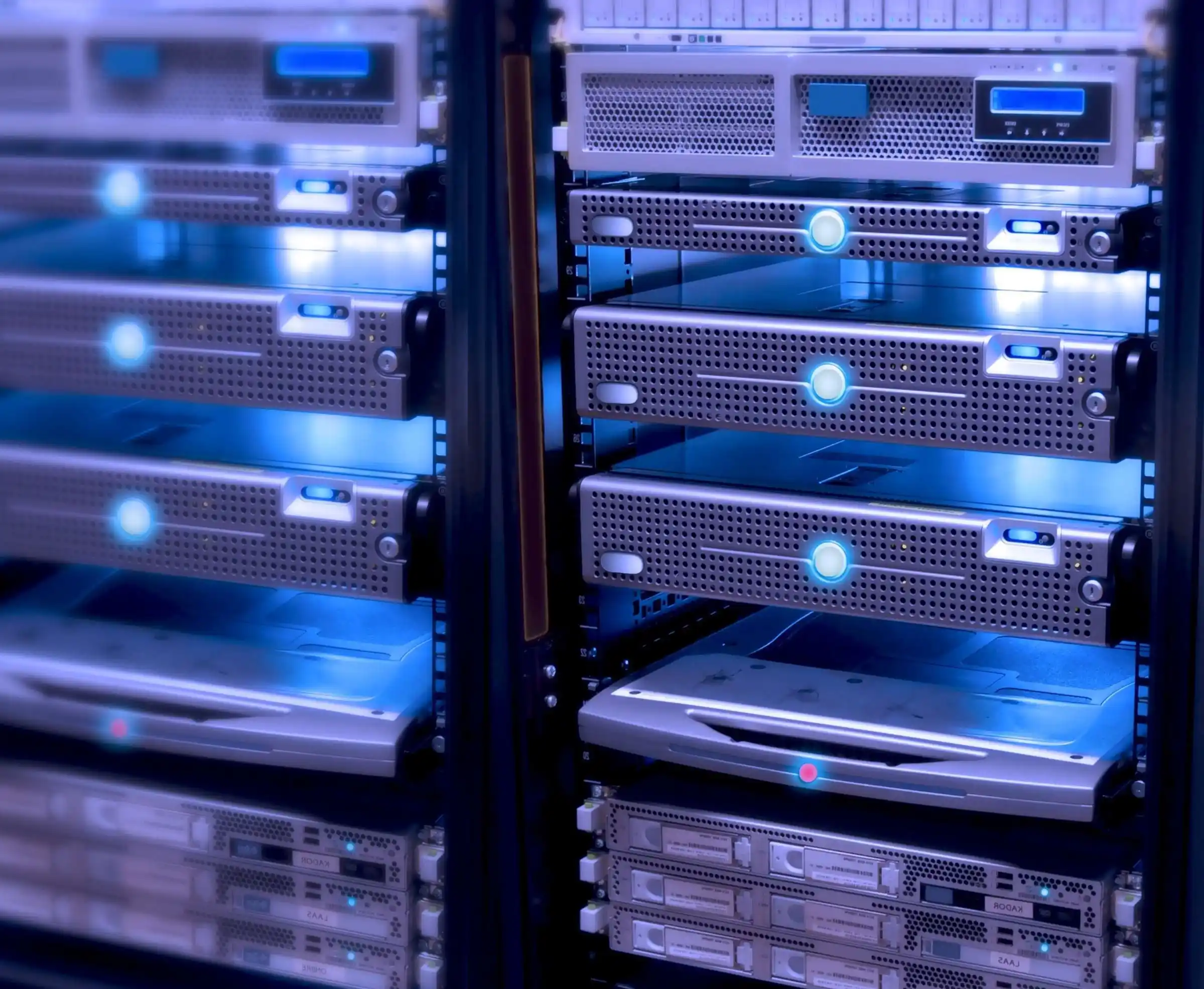
GPU Server Case Cooling for AI and HPC Services
AI models and HPC workloads push crazy heat. A bad GPU server case becomes a little oven with a login page.
For algorithm centers, research labs and AI startups, typical pain points sound like:
- “Training runs keep throttling but CPU usage looks fine.”
- “Top half of the rack always runs hotter.”
- “When we add one more GPU, the whole node gets unstable.”
IStoneCase focuses on GPU-optimized chassis, so airflow, fan walls and structure are built for multi-GPU, high-TDP cards, not just classic CPU servers. Pair that with bulk orders or OEM specs and you can:
- Standardize one design across your GPU farm.
- Reduce thermal tickets on your ITSM board.
- Make capacity planning around power and cooling more predictable.
When the case is right, your ITSM team spends less time closing “GPU node overheated again” tickets and more time on real improvements.
Security, Compliance and Physical Control in Server PC Case
Security isn’t only passwords and firewalls. It’s also “who can touch the box.”
A smart server pc case design helps your ITSM and security teams by:
- Lockable front doors to control physical access to drives.
- Clear separation of customer and infra space in colocation racks.
- Cable paths that don’t tempt people to yank “just one more cable out of the way.”
Auditors and compliance folks care about these things, even if they don’t know the part numbers. For database service providers or financial systems, a sloppy computer case server layout can literally turn into a finding on an audit sheet.
IStoneCase rackmount and wallmount designs can bake in lock options, LED states, and front panel behaviors that match your security policies, not fight them. That’s small on paper, but big in real audit rooms.
Capacity, Scalability and ATX Server Case Standardization
Capacity planning is hard enough. Mixing twenty different random chassis types makes it worse.
Standardizing on a family of atx server case and ITX cases brings sanity:
- Same depth and RU height across racks.
- Predictable room for extra drives or cache.
- Consistent fan positions, so airflow models don’t lie.
For MSPs, IT service firms, and even serious homelab / dev teams, using a consistent atx server case or ITX case lineup means:
- You can write one build and service SOP.
- New hires learn faster, less tribal “only Bob knows that rack” knowledge.
- Your ITSM CMDB entries line up with the real hardware shape.
It looks boring. It’s actually what makes scale not hurt so much.

How IStoneCase Server Cases Support Real IT Service Workflows
IStoneCase isn’t just shipping one box at a time. The brand positions as OEM/ODM solution manufacturer for:
- GPU server case products for AI and high-performance workloads.
- General server pc case for core business systems.
- Rackmount case and wallmount case for branch offices and edge.
- NAS devices for backup and storage services.
- Chassis guide rail accessories for easier maintenance.
Because they do OEM/ODM, you can align the hardware with your ITSM way of working:
- Match front panel layout to your monitoring and alert LEDs.
- Prepare label areas so field techs know where to stick asset tags.
- Tune drive bay count and fan slots for your typical builds.
If you buy in batches (wholesale, project rollout, data center refresh), this is where serious value sit. You’re not just filling a rack. You’re shaping how every future incident, change and capacity upgrade will feel.
Conclusion: Server Cases as Everyday IT Service Management Tool
At the end of the day, the server case is not some background “box problem.”
It decides:
- How fast you recover when something fails.
- How often you get heat-related or vibration-related incidents.
- How safe your data stays in real physical space.
- How simple your team’s daily ops really are.
ITSM sounds abstract sometimes, but it lives in real hardware.
Choosing the right server rack pc case, computer case server or atx server case is basically choosing how painful your next on-call week will be.
If you want that pain lower, and you want hardware that matches serious IT service workflows, IStoneCase is one of the places where metal and “Ianagement” actually meet in a sensible way, even if we spell it a bit wrong on purpose.