If you’re building modern racks, you already know the vibe: power keeps climbing, thermals get spicy, and “just put it in a 19-inch rack” starts to sound like a meme. That’s why Open Rack / OCP and new form factors matter. But here’s the part people skip—standards don’t ship themselves. OEM/ODM execution ships them.
This piece argues one simple thing: if you want OCP/Open Rack to work in real rooms (not slides), you need tight OEM collaboration, clean mechanical decisions, and a chassis partner who can handle fast NPI without wrecking your ops.
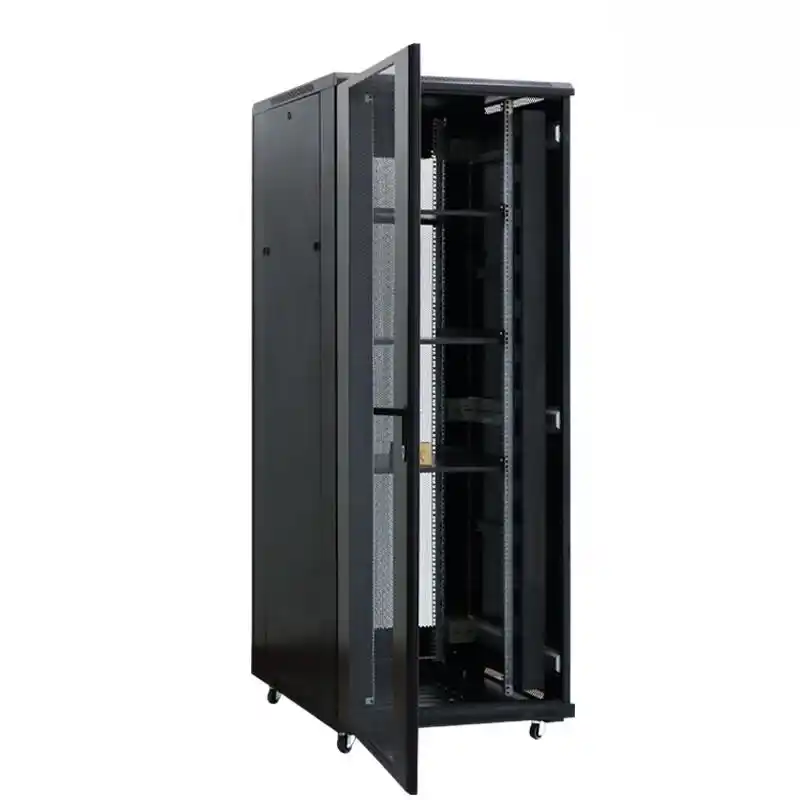
Argument map for Open Rack / OCP and new form factors
| Point title (kept as-is) | What it really means in the field | “Source” type (no links) | What breaks if you ignore it |
|---|---|---|---|
| 1) You want to turn OCP/ORv3 into something you can buy and mass-produce, you need deep OEM/ODM collaboration | BOM lock, validation flow, factory test, and stable SKUs are the hard part | OCP ecosystem practice | You get pilot success, then volume chaos |
| 2) The value of ORv3 isn’t one PSU, it’s rack-level power architecture | Power shelf + busbar design changes service, wiring, and density | ORv3 design pattern | Cable sprawl, bad serviceability |
| 3) New form factors are pushed by AI power + thermal, not fashion | Chassis airflow and liquid-ready layouts become first-class | AI/HPC ops reality | Hot spots, throttling, ugly RMAs |
| 4) 12V → 48V/50V is about lower distribution loss | Less current, less copper pain, better rack scaling | Power distribution fundamentals | You keep burning watts in the wrong places |
| 5) ORv3 ties reliability to density | Fewer connection points, better maintainability | Mechanical + power reliability logic | Loose connectors, downtime, “mystery faults” |
| 6) Interoperability + manageability blocks or unlocks scale | Redfish/BMC-friendly monitoring matters | DMTF / ops standards | You can’t automate. You can’t sleep |
| 7) Reference designs become real only when OEM roadmaps absorb them | EVT/DVT/PVT and supply chain rhythm decide adoption | Hardware NPI reality | “Cool prototype” that never becomes product |
| 8) Enterprise rollout needs hybrid plans (ORv3 + 19-inch) | Mixed racks, mixed power, staged migrations | Enterprise deployment patterns | You stall because legacy gear won’t move |
| 9) Liquid cooling parts need standardization or cost explodes | Manifolds, quick disconnects, sidecars need repeatability | Liquid cooling qualification practice | Every rack becomes a custom snowflake |
| 10) Admit 19-inch is mature, then explain why ORv3 is worth it | Migration is a strategy, not a religion | Market reality | You get internal pushback and lose momentum |
OEM/ODM collaboration for OCP Open Rack (ORv3)
1) You want to turn OCP/ORv3 into something you can buy and mass-produce, you need deep OEM/ODM collaboration
OCP specs are like a recipe. Nice. But the kitchen still matters.
In real projects, the OEM/ODM work looks like this: pin down the mechanical envelope, lock the BOM, build a test jig, run burn-in, then ship repeatably. Your ops team doesn’t care that your rack is “open” if every batch arrives slightly different.
This is also where a chassis partner earns their keep. If your case supplier can’t handle fast revs, you’ll feel it during DVT. Parts go EOL. Fan brackets drift. Cable paths change. Then your techs start swearing at 2 a.m.
Open Rack v3 rack-level power distribution
2) The value of ORv3 isn’t one PSU, it’s rack-level power architecture
A lot of teams treat Open Rack like “a wider rack.” That’s not the point. The point is rack-level building blocks: power shelves, busbars, and cleaner service lanes.
Here’s a simple picture: instead of stuffing a PSU into every node, you centralize power and make compute sleds more modular. That can shrink your cable mess and speed swaps. It also forces you to get serious about mechanical fit, airflow zones, and tool access. You can’t hand-wave those.
AI racks and new form factors for high density
3) New form factors are pushed by AI power + thermal, not fashion
AI racks don’t fail politely. They fail loud.
A common scenario: you spin up a GPU cluster, it runs fine at first, then summer hits and suddenly you’re throttling. So you chase fans, then ducts, then blanking panels, then you realize the chassis layout is the bottleneck.
This is why “new form factor” often really means:
- front-to-back airflow that doesn’t fight itself
- room for thicker heat sinks, higher static pressure fans
- liquid-ready options (cold plate routing, sidecar clearance)
If you’re doing AI, your chassis is part of the cooling system. Treat it like one.
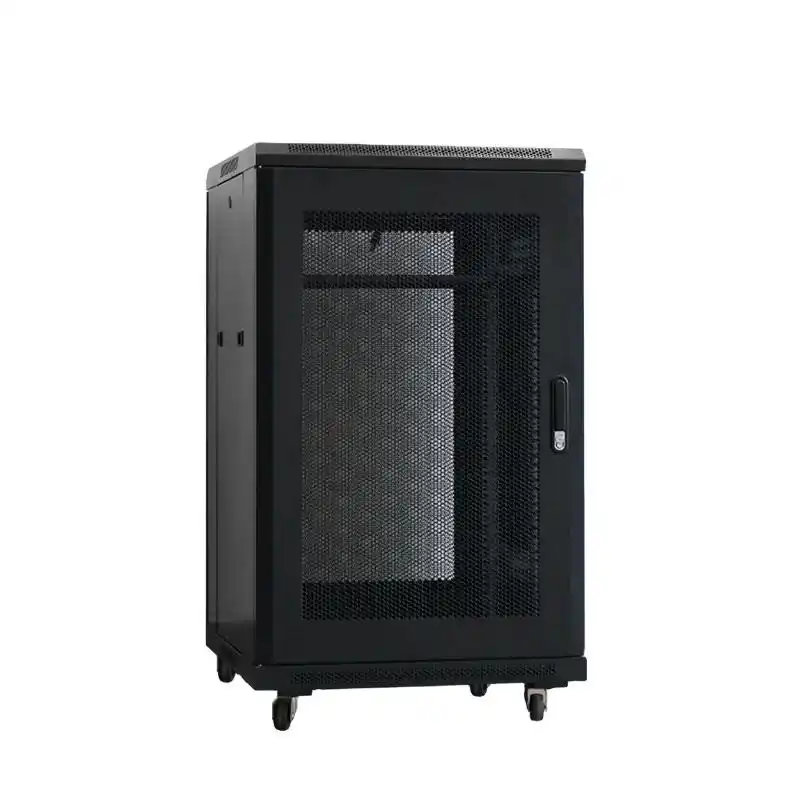
48V / 50V rack power distribution
4) 12V → 48V/50V is about lower distribution loss
You don’t switch to higher voltage because it sounds fancy. You switch because high current is annoying. It heats cables, it eats margin, and it limits scaling.
When you move distribution voltage up, current drops. That usually makes the rack easier to grow without turning your power path into a copper sculpture. (And yeah, the first time you see a “simple” cable harness that looks like a python, you’ll get it.)
Open Rack v3 reliability and power density
5) ORv3 ties reliability to density
Reliability isn’t just component MTBF. It’s also: how many things can wiggle loose.
Rack architectures that reduce connection points can improve uptime. Fewer random adapters. Fewer “is it the cable?” tickets. More predictable servicing.
That said, density can punish you if your mechanical stack-up is sloppy. Tolerances, rails, and access paths matter. If a tech can’t pull a node cleanly, your “serviceable design” is just marketing.
Redfish management and interoperability
6) Interoperability + manageability blocks or unlocks scale
At small scale, people SSH into boxes and call it a day. At scale, you want automation.
If your rack power/thermal gear can’t talk in a standard way (think Redfish-aligned patterns), you end up writing one-off scripts and babysitting dashboards. That’s fine for 20 nodes. It’s pain for 2,000.
So when you evaluate new rack form factors, ask a blunt question: can my ops team plug this into existing telemetry and keep moving?
Reference designs to OEM roadmaps (EVT / DVT / PVT)
7) Reference designs become real only when OEM roadmaps absorb them
A reference design is not a product. It’s a starting gun.
OEMs and ODMs decide whether it becomes a stable SKU, a supported configuration, and a thing your procurement team can reorder without drama. That’s the boring pipeline: EVT → DVT → PVT. It’s boring because it works.
If your partner can’t run that pipeline smoothly, your “new form factor” stays stuck in lab land. It happens all the time.
Hybrid Open Rack / OCP and 19-inch deployment
8) Enterprise rollout needs hybrid plans (ORv3 + 19-inch)
Most rooms are mixed. You’ve got legacy storage. You’ve got random appliances. You’ve got the one critical box nobody dares touch.
So the winning move is usually hybrid rollout:
- keep 19-inch for gear that won’t migrate yet
- deploy Open Rack where density and service speed matter most
- standardize rails, mounting, and airflow practices across both
This approach keeps uptime safe and lets you scale without a forklift migration. It’s not “pure,” but it’s real.
Liquid cooling manifold standardization
9) Liquid cooling parts need standardization or cost explodes
Liquid cooling can feel like magic until you need to service it. Then you learn fast.
Without standard manifolds, line routing rules, and qualification practices, every rack becomes custom. That kills lead times and complicates spares. Standardization turns liquid from “one-off science project” into something your technicians can actually maintain.
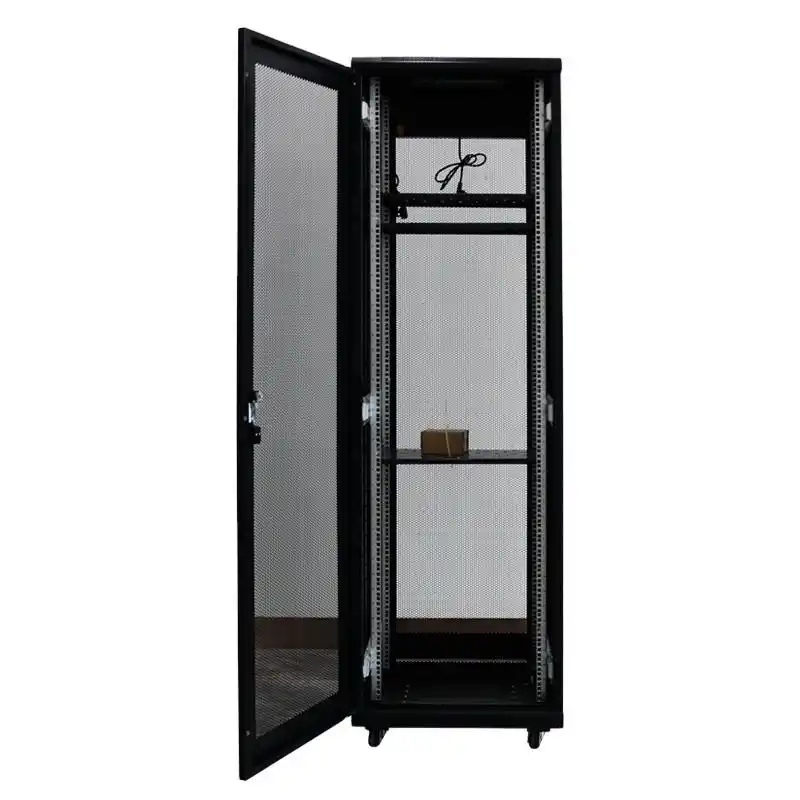
19-inch rack maturity and ORv3 transition
10) Admit 19-inch is mature, then explain why ORv3 is worth it
19-inch won because it’s everywhere. Vendors understand it. Your team understands it.
So don’t sell ORv3 as a religion. Sell it as a tool: better density lanes, cleaner power architecture, and smoother swaps for high-load racks. Keep the rest of your fleet on what already works. That’s how you win internal buy-in.
Server chassis reality check: rails, access, and “small details” that wreck uptime
Here’s where chassis and mechanical choices stop being background noise.
If your techs can’t slide a heavy node safely, you’ll see slow maintenance and more accidental damage. Rails aren’t glamorous, but they’re the difference between “hot swap” and “hot mess.”
Below is a quick snapshot-style table based on typical rack rail parameters you’ll see in modern deployments:
| Rail type (example) | Compatible chassis height | Max load (per pair) | Cabinet depth range |
|---|---|---|---|
| L-shaped rail for rackmount chassis | 1U–4U | up to 100 kg | 800–1200 mm |
| Guide rail for compact chassis | 1U–2U | around 38 kg | 800–1000 mm |
| Heavy rail for large chassis | 4U | around 70 kg | 800–1200 mm |
Now, tie that back to purchasing language your buyers actually use:
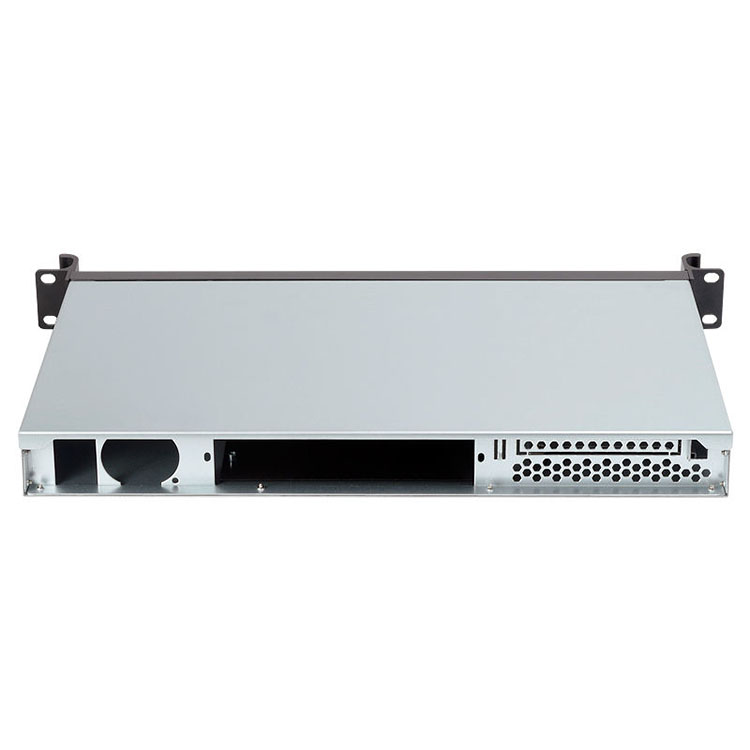
- A server rack pc case usually means “I need predictable rack fit and fast service access.”
- A server pc case often means “I’m building a stable node, please don’t make me redesign airflow later.”
- A computer case server request is sometimes code for “I need a chassis that survives abuse.”
- An atx server case question usually means “I want standard boards, but I still need real cooling and clean cable lanes.”
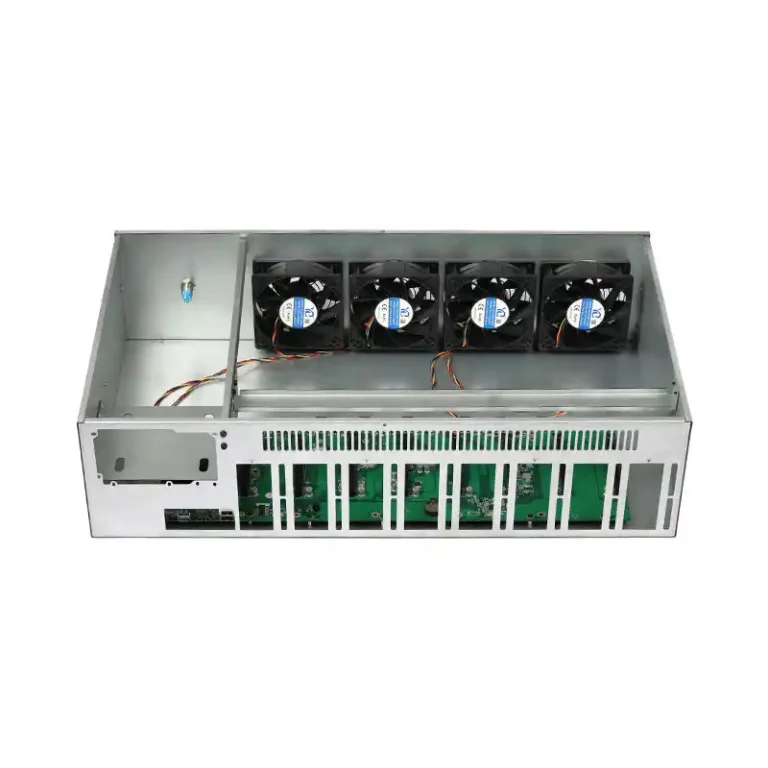
And if your roadmap includes AI: don’t treat GPU platforms as a side quest. Put them on a dedicated mechanical path, like a purpose-built GPU server case family.
Where IStoneCase fits in this OCP / Open Rack conversation
You don’t need a vendor that “talks OCP.” You need one that can build to spec, hold tolerances, and ship repeatably, even when you tweak fan walls, backplanes, or I/O cutouts mid-cycle.
That’s the lane where IStoneCase sits. They focus on server and storage chassis manufacturing with OEM/ODM support across categories that show up in real deployments:
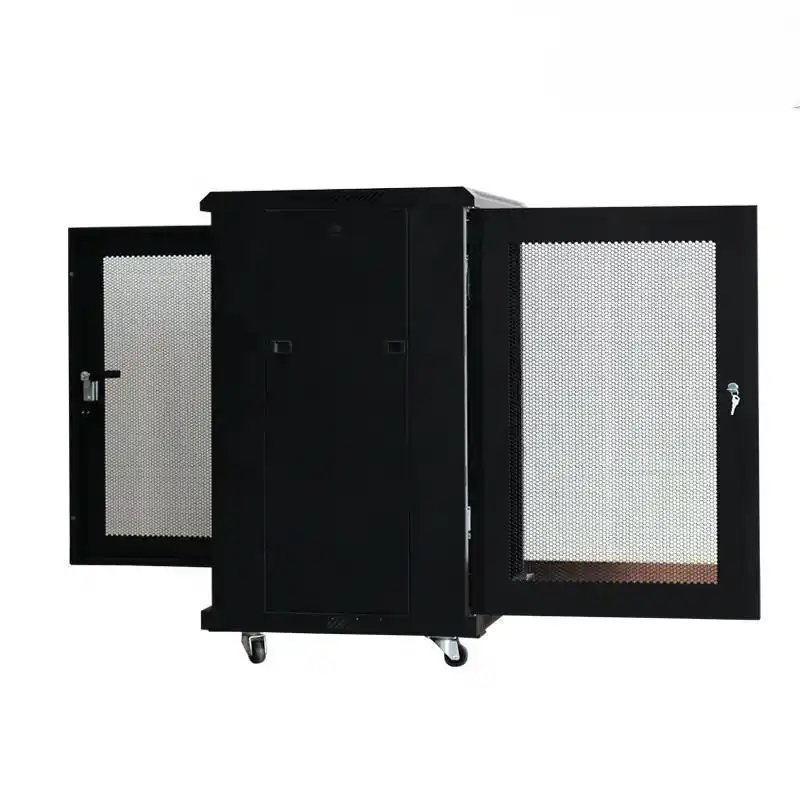
- rack systems and mixed rooms: server rack pc case options
- general compute fleets: server pc case and atx server case configurations
- AI and HPC builds: GPU server case lines built around airflow and expansion
- storage-heavy stacks: NAS devices when you need dense bays and clean cooling
- edge closets and tight installs: ITX Case when space is the boss
- serviceability basics: Chassis Guide Rail so swaps don’t turn into a wrestling match
If you’re chasing Open Rack / OCP and new form factors, think of IStoneCase as the mechanical “last mile.” Specs are great. Volume-ready chassis is what makes you money, keeps uptime, and keeps your team sane. Some days it really do be like that.