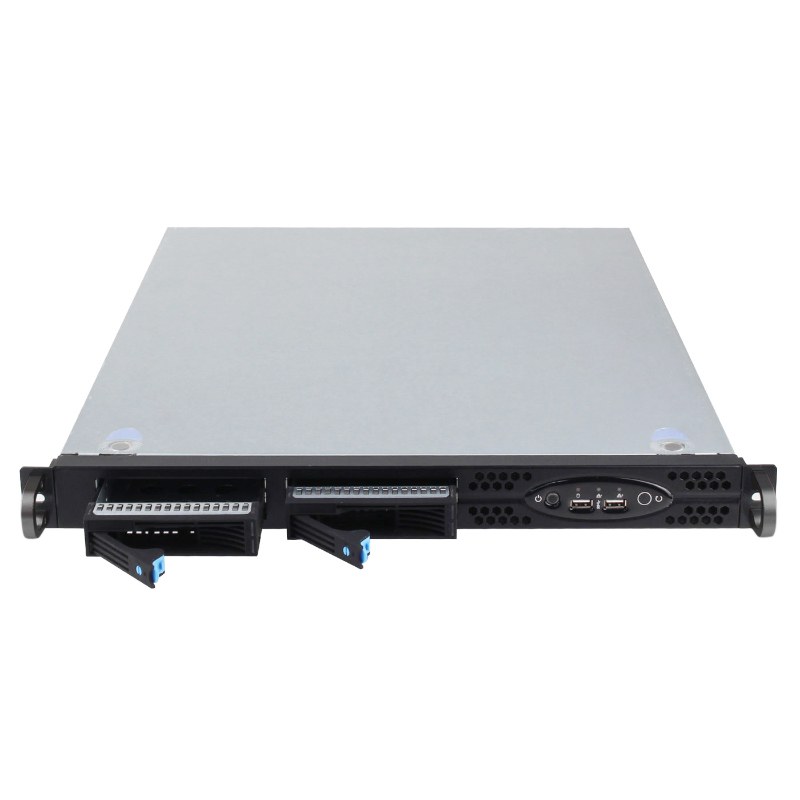
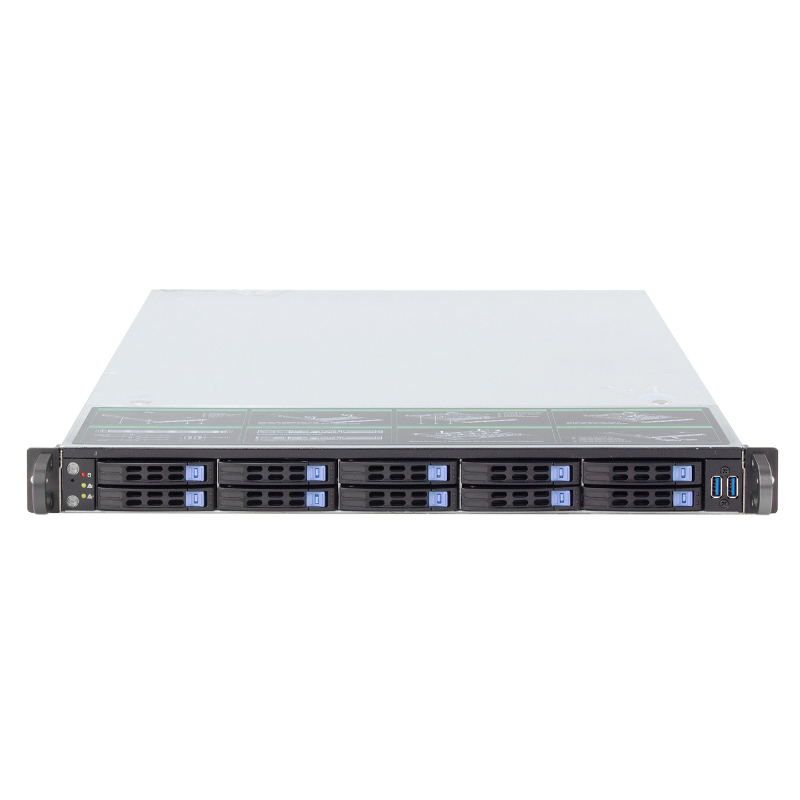
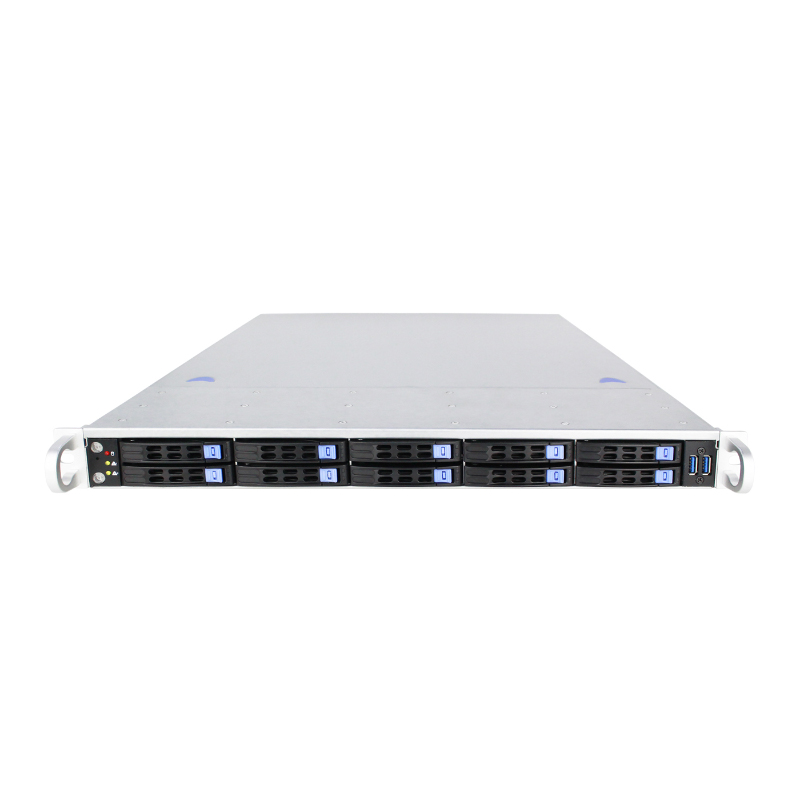
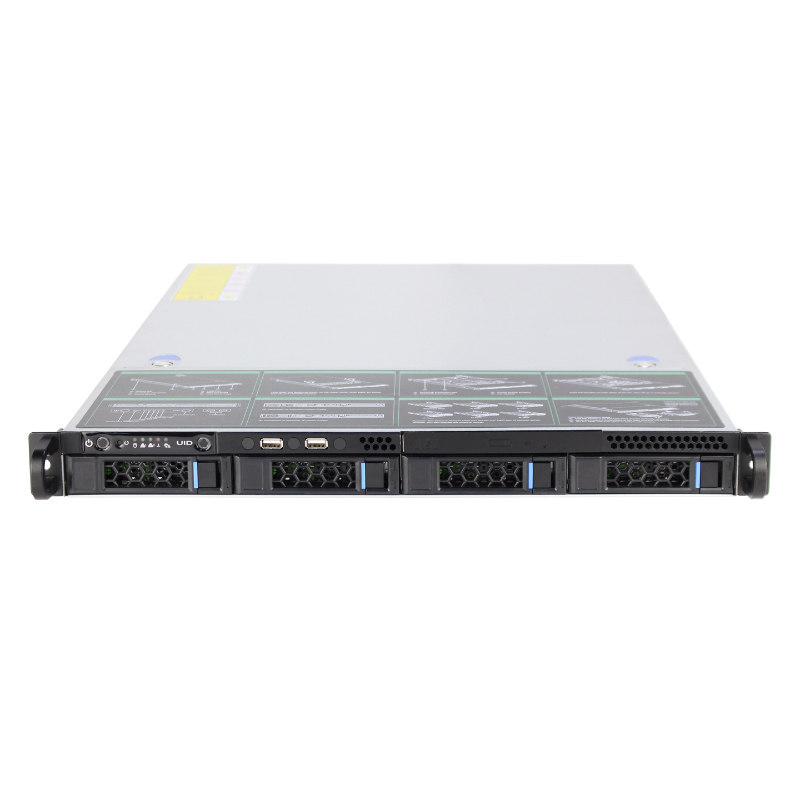
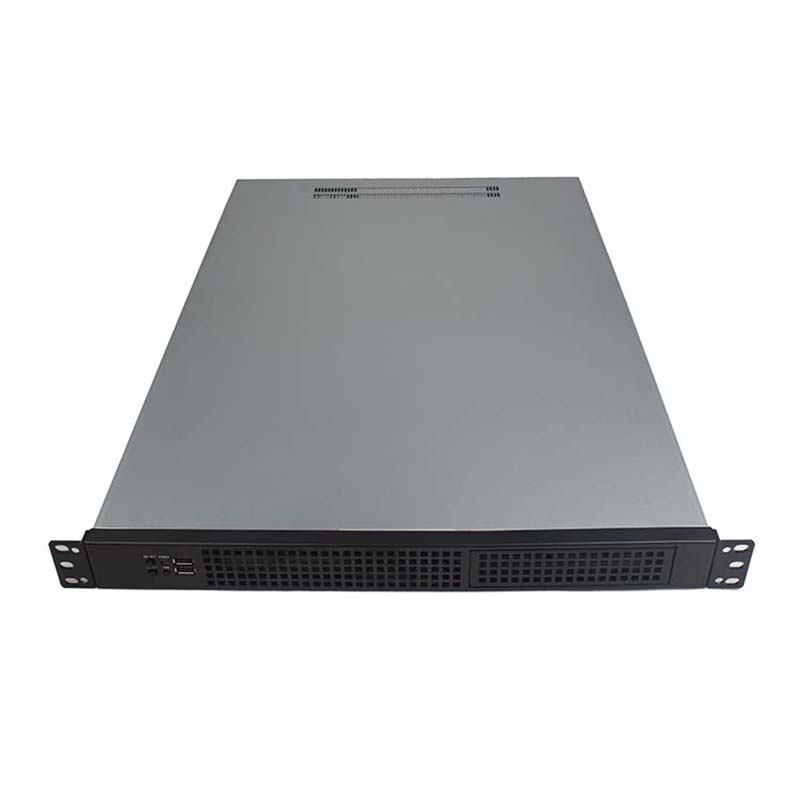
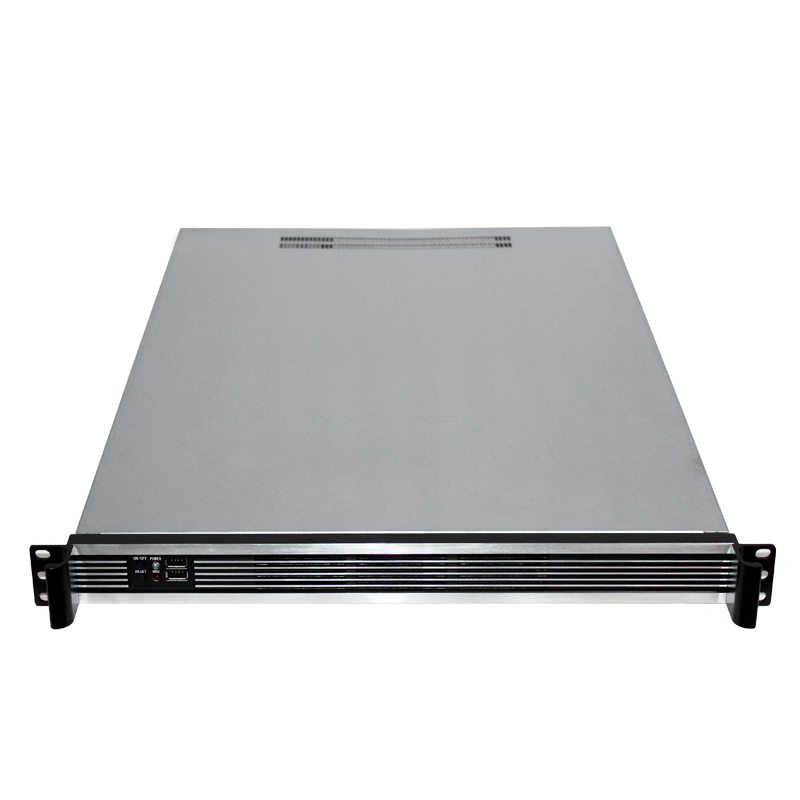
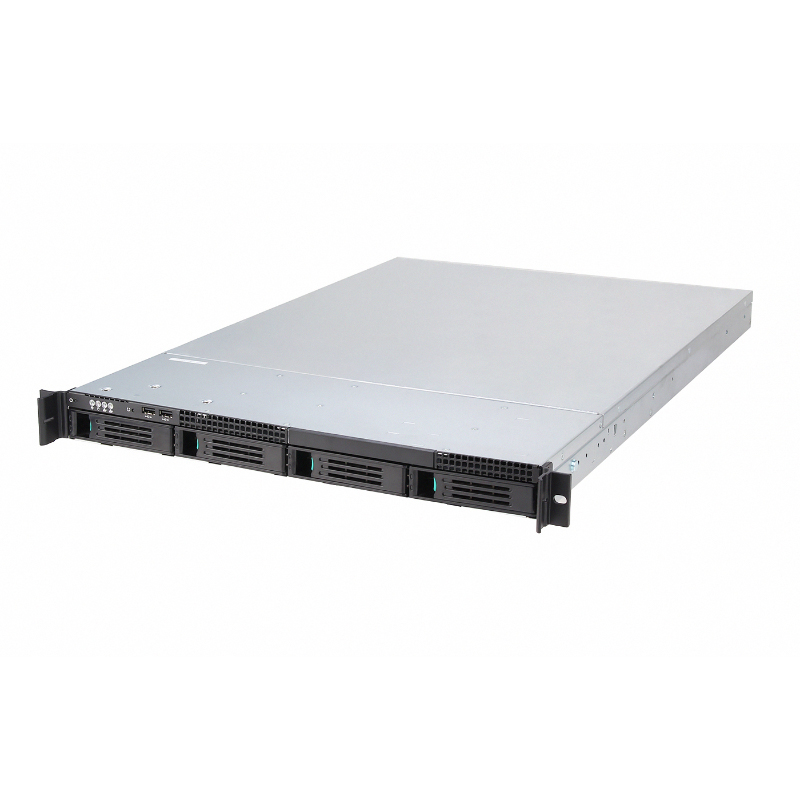
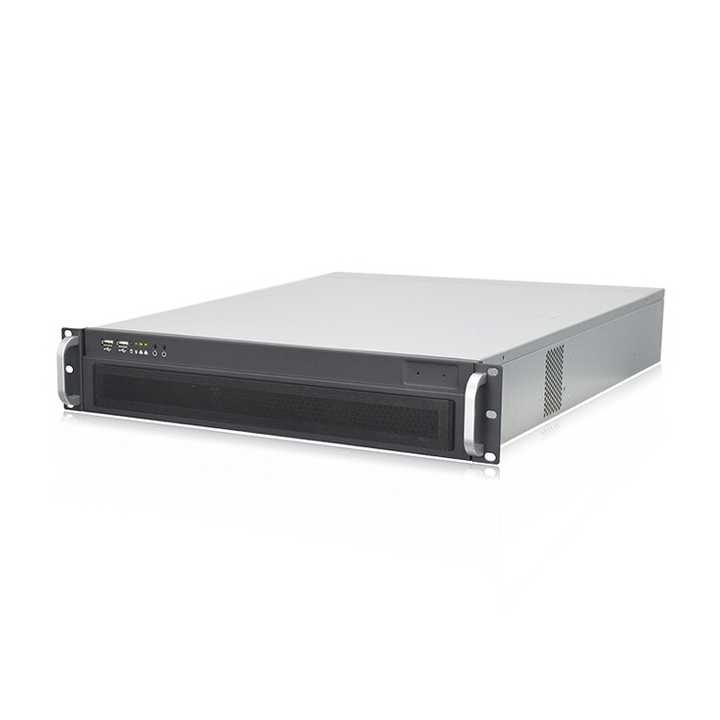
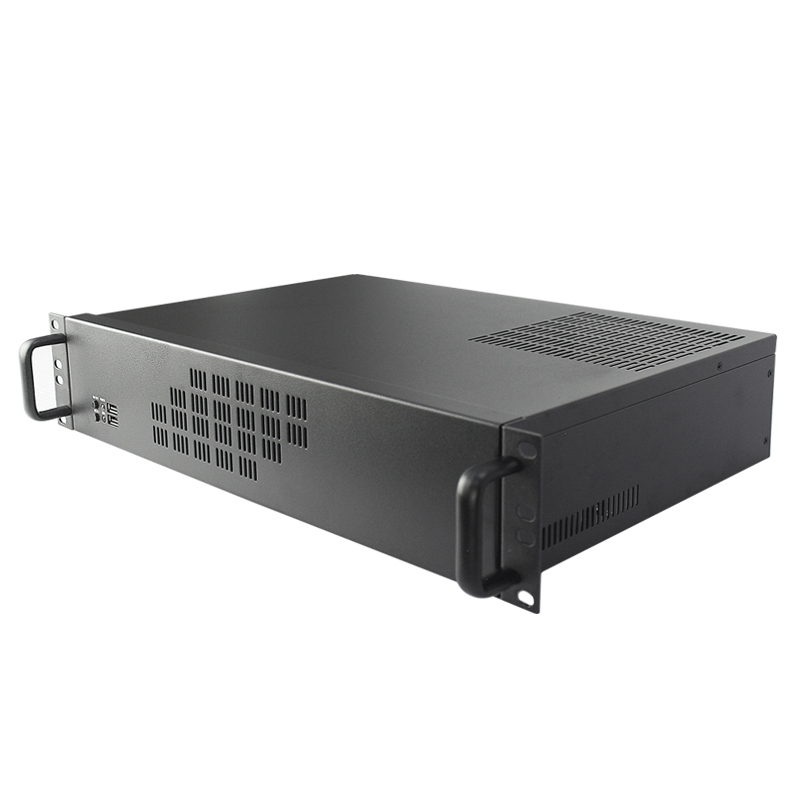
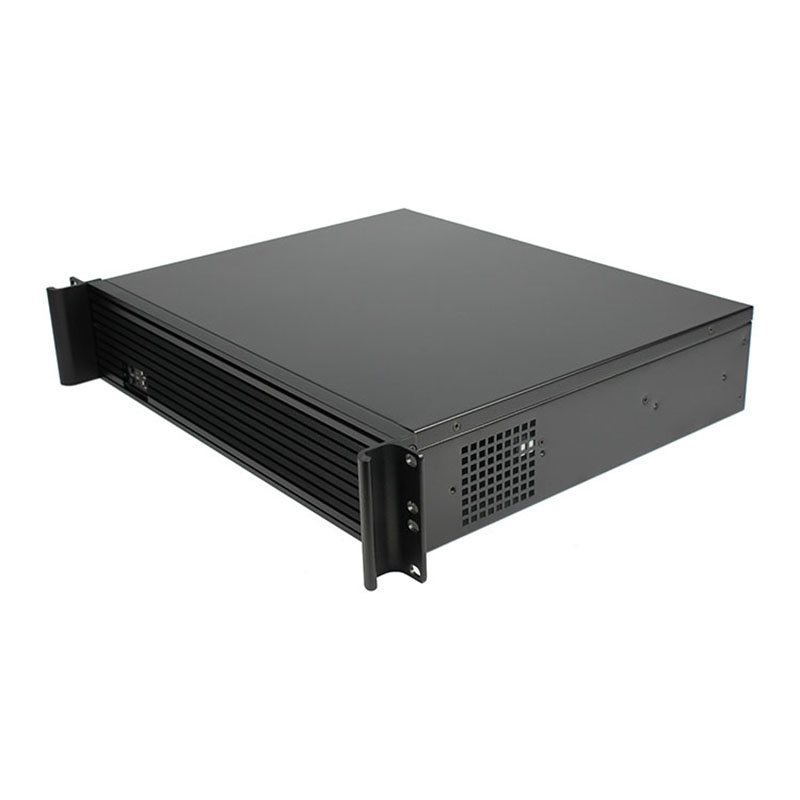
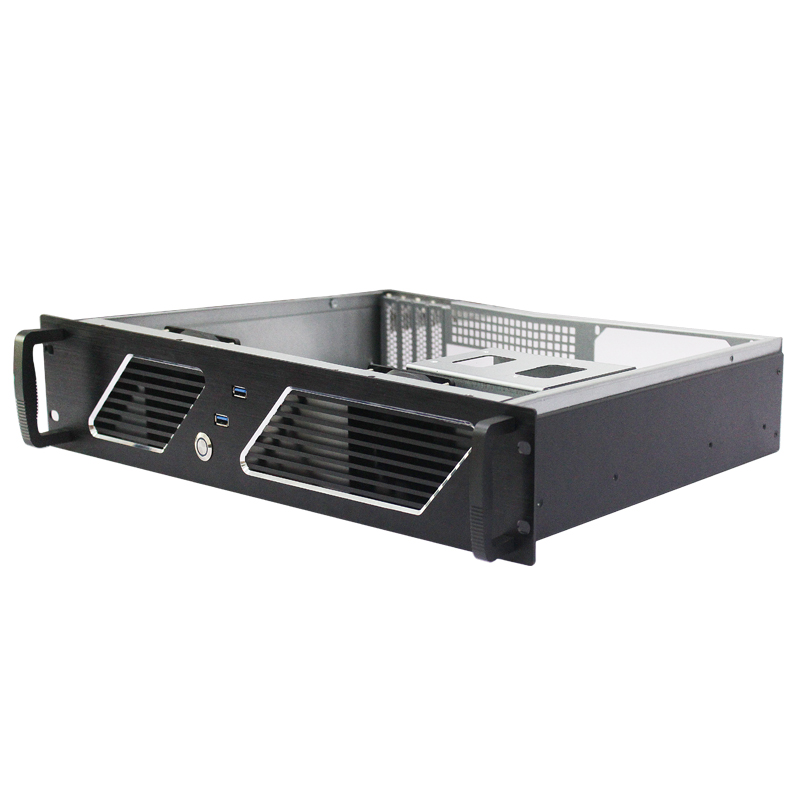
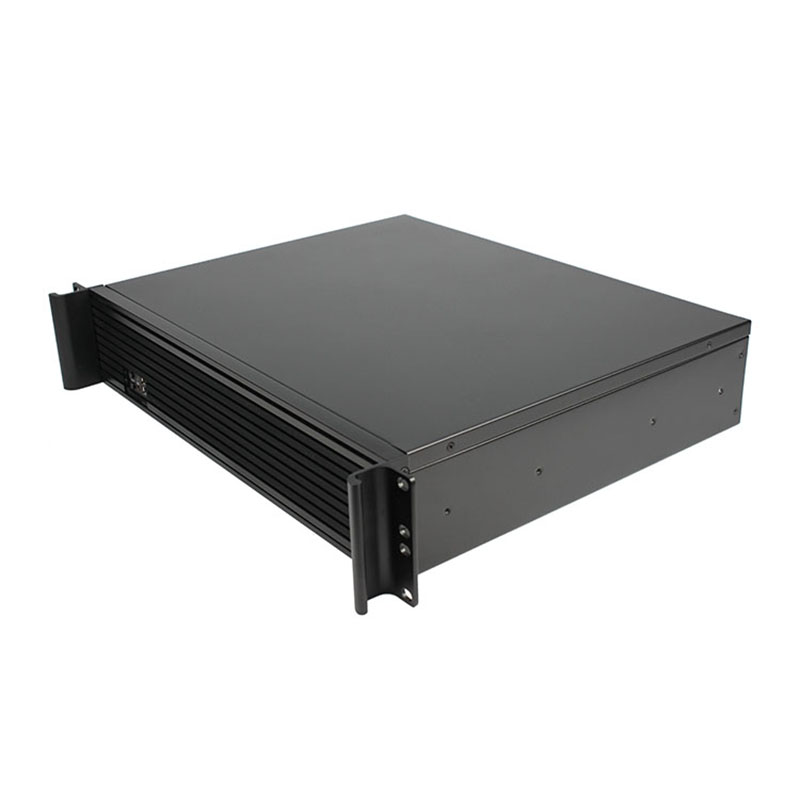
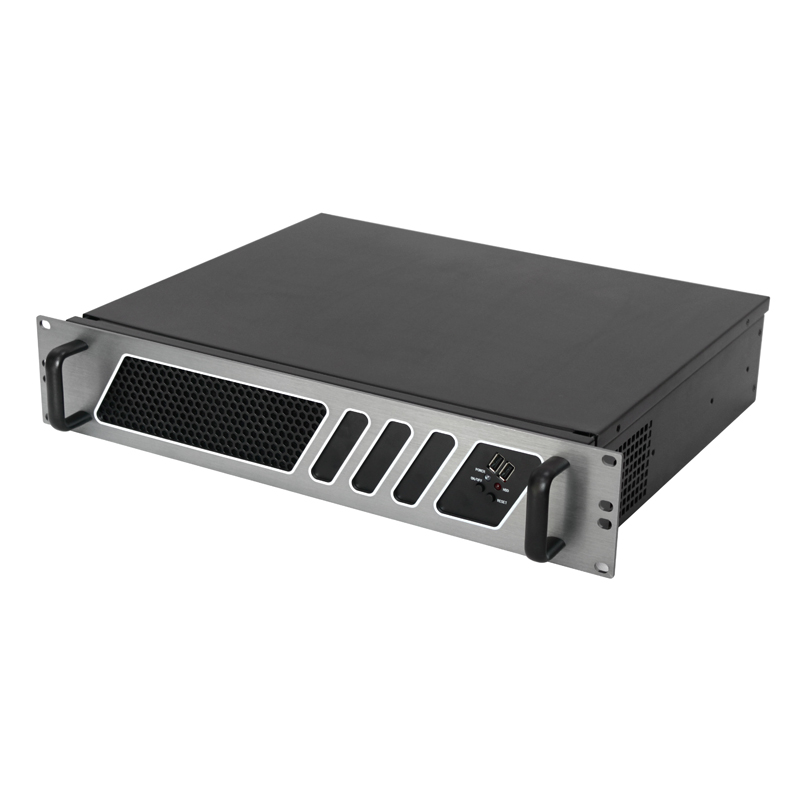
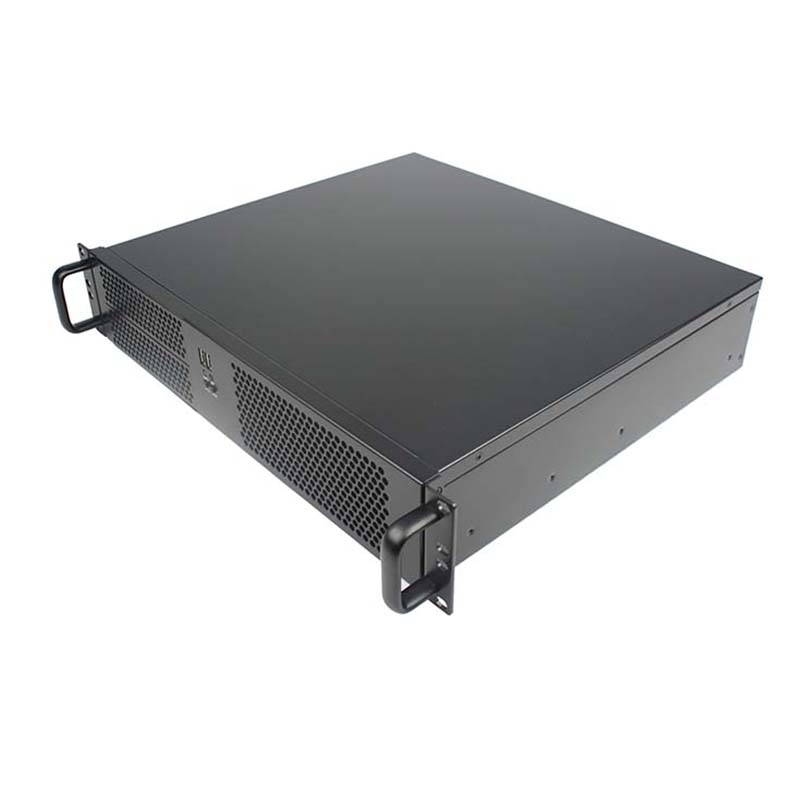
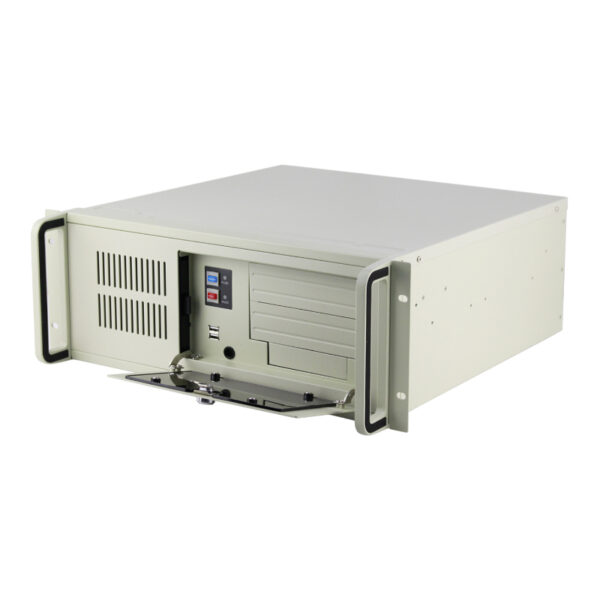
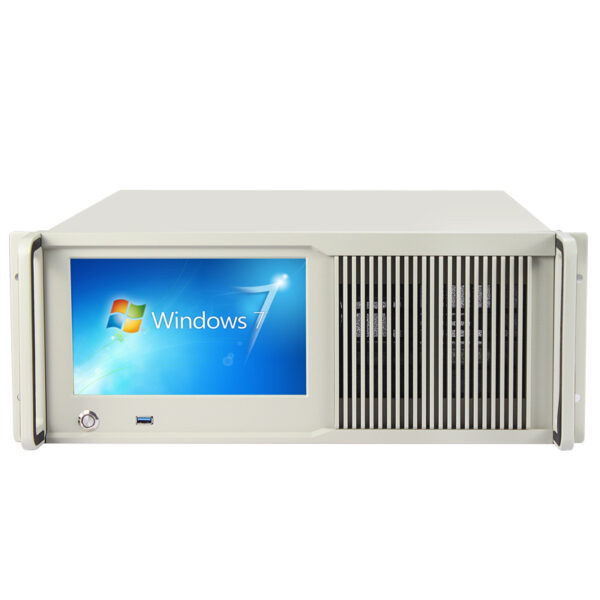
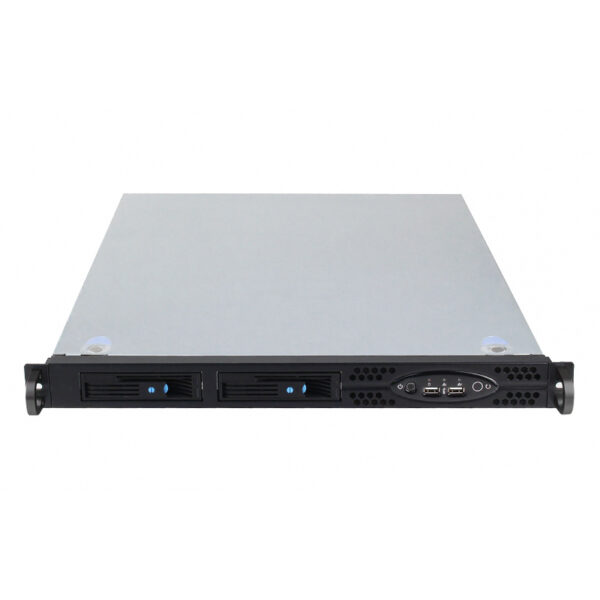
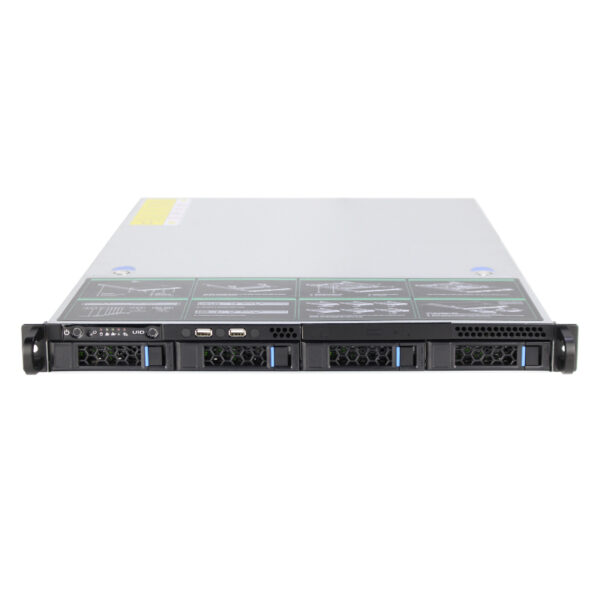
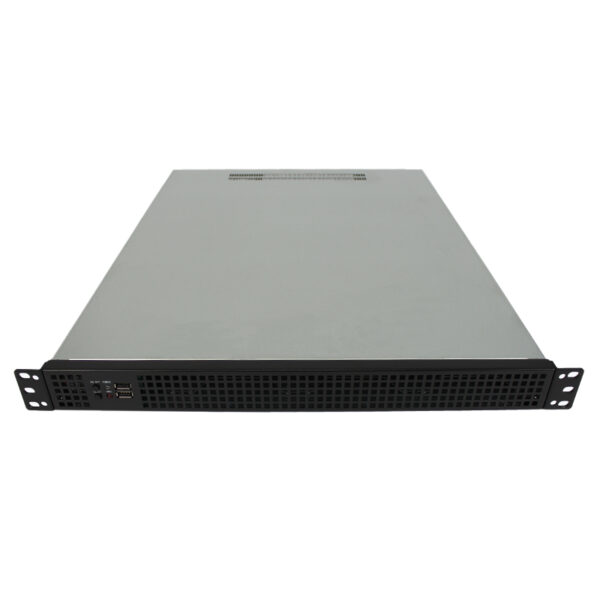
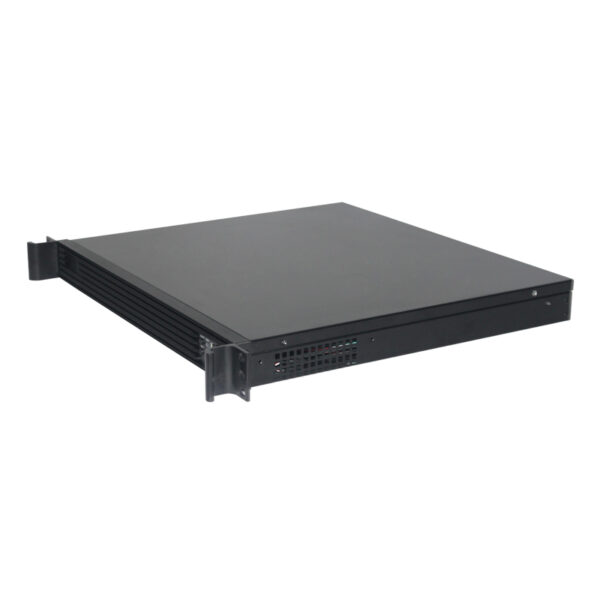
4U Rackmount Chassis for Configurable Industrial Systems

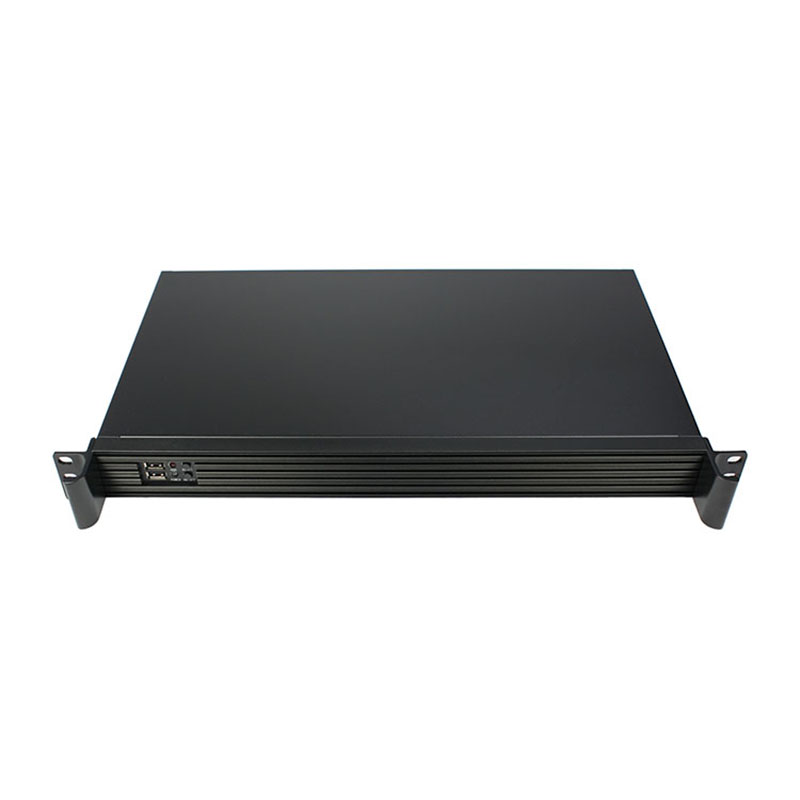
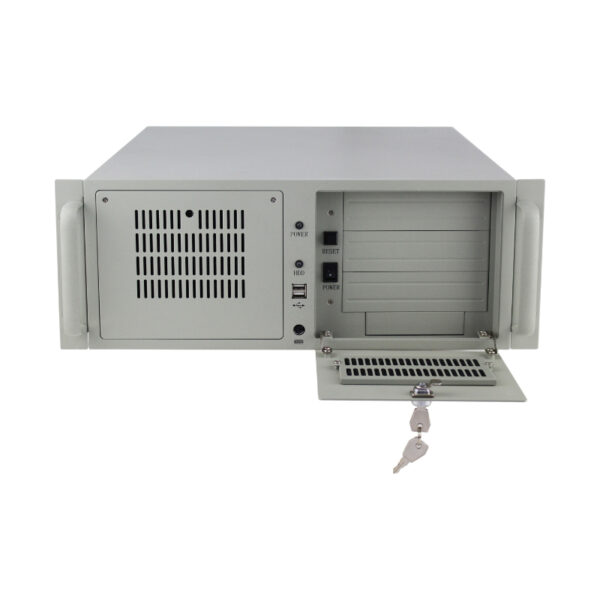
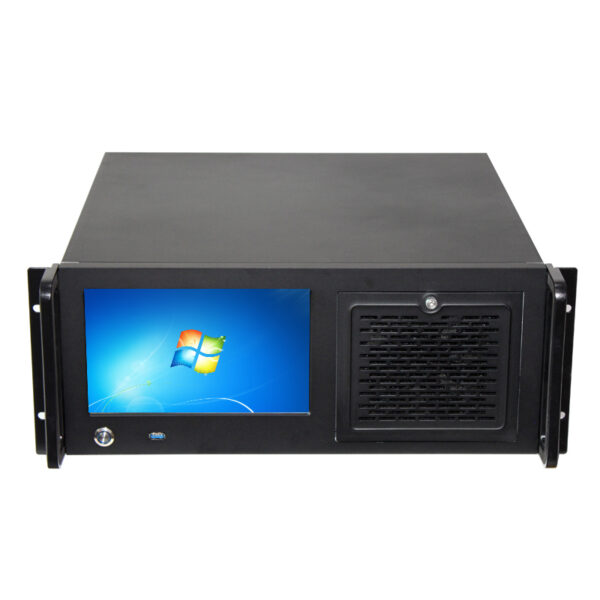
An industrial rackmount chassis is a rugged computer enclosure that houses processing, storage, power, and expansion hardware in a standard 19-inch equipment frame. It helps protect internal components while organizing service access for automation, manufacturing, telecom, surveillance, edge computing, AI, industrial computer, and rackmount server applications.

What Is a Rackmount Chassis for Industrial Computer Systems?

A rackmount chassis is a metal housing engineered for installation on standardized mounting rails. It provides the mechanical structure, airflow path, power integration, and access points needed to build a serviceable industrial computer chassis.

Châssis industriel à montage en rack

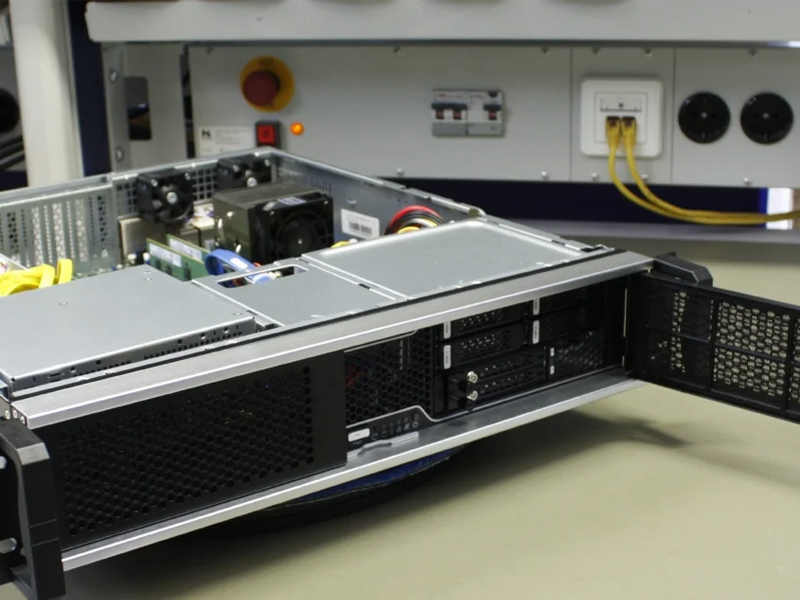
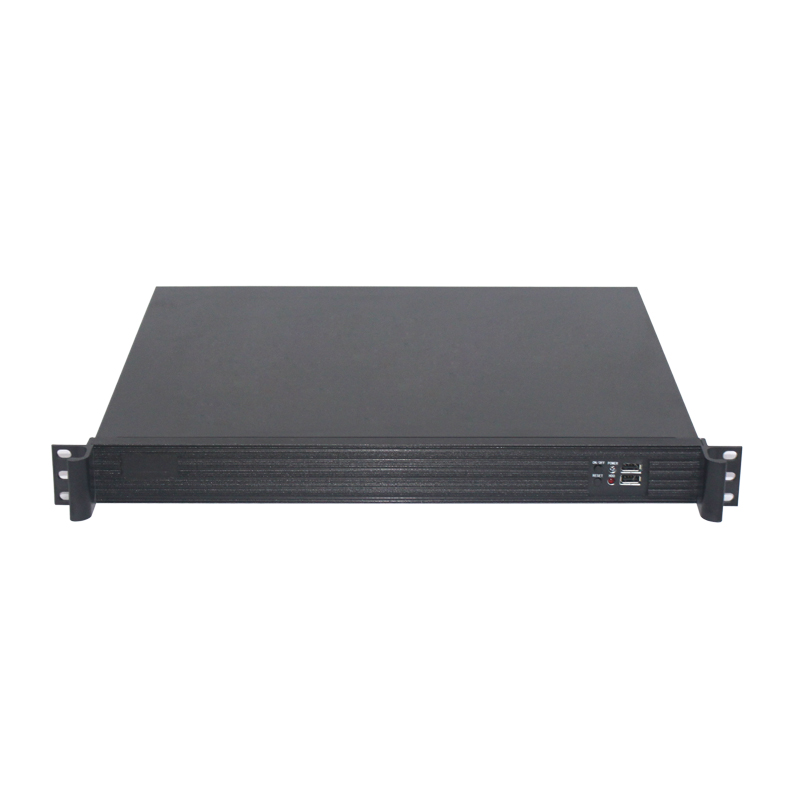
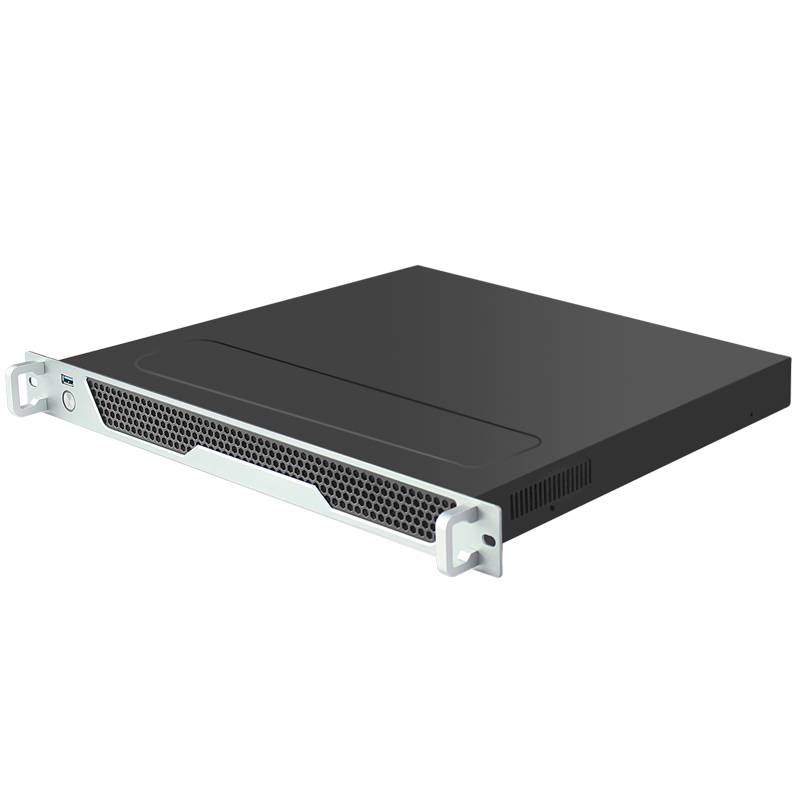
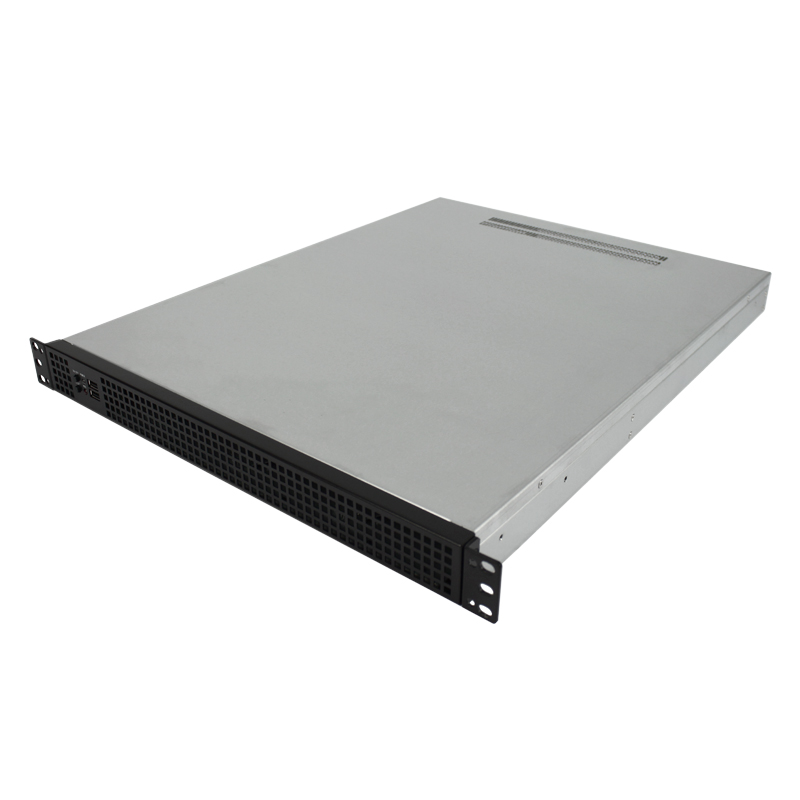
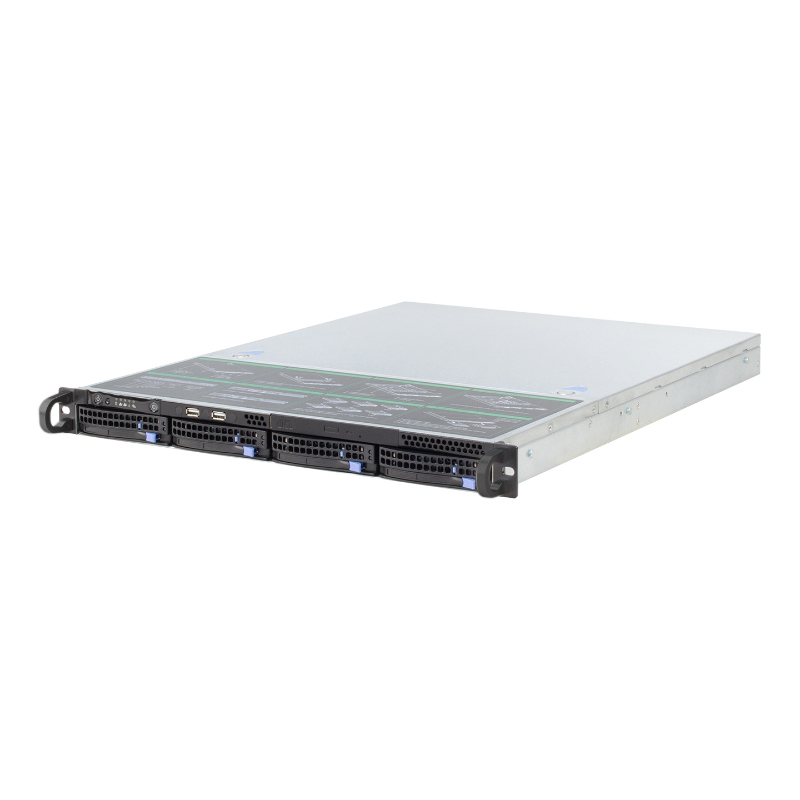
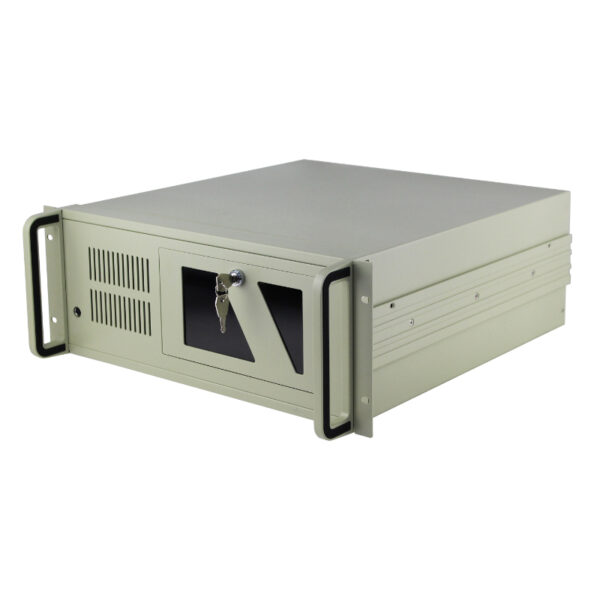
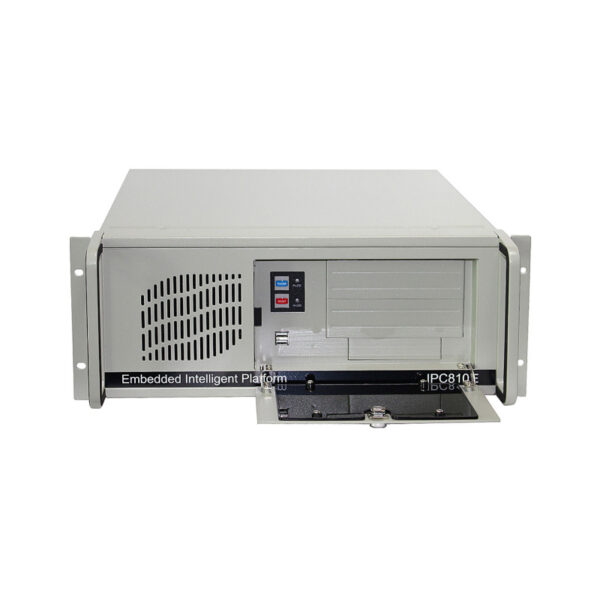
A rackmount case supports front-to-rear airflow, protected access, and industrial computing.

Châssis industriel à montage en rack

Tableau comparatif des paramètres clés des produits de la catégorie des coffrets de montage en rack

sfFEGVSGVgv

Image du produit Facteur de forme Model Product Link Dimensions (mm) Taille de la carte mère (mm) Support d'entraînement (qty) Nombre de ventilateurs Type d'alimentation Matériau Épaisseur (mm) Poids net (kg) Poids brut (kg) Champ d'application Personnalisation
Châssis en acier pour montage en rack 1U 1U Boîtier de montage en rack 1U ISC-SC1U250L-M 482×250×44.5 (19.0″×9.8″×1.8″) 170×170 (6.7″×6.7″) 1×3.5″ ou 2×2.5″ disque dur 2 1U flex power 1.0 2.55 3.65 Serveur polyvalent Oui
Châssis en acier pour montage en rack 1U 1U Boîtier de montage en rack 1U ISC-SC1U390L-M 482×390×44.5 (19.0″×15.4″×1.8″) 305×340 (12.0″×13.4″) 1×3.5″ ou 2×2.5″ disque dur 2 Alimentation standard 1U 1.0 3.518 4.832 Serveur polyvalent Oui
Châssis de serveur monté en rack 1U 1U Boîtier de montage en rack 1U ISC-SC1U400LD-M 482×400×44.5 (19.0″×15.7″×1.8″) 305×245 (12.0″×9.6″) 2×3.5″ ou 4×2.5″ HDD 2 Bloc d'alimentation Flex 1.0 3.68 5.2 Serveur polyvalent Oui
Boîtier de serveur 1U pour montage en rack 1U Boîtier de montage en rack 1U ISC-SC1U550F-M 482×550×44.5 (19.0″×21.7″×1.8″) 305×245 (12.0″×9.6″) 4×3.5″ HDD 4 Alimentation standard 1U 1.2 6.171 7.421 Serveur polyvalent Oui
Châssis de serveur métallique 1U à 4 baies, monté en rack 1U Boîtier de montage en rack 1U ISC-SC1U560-H4-T 560×437.5×44.5 (22.0″×17.2″×1.8″) ≤305×267.5 (≤12.0″×10.5″) 4×3,5″ avant +1×2,5″ interne (5 au total) 3 Alimentation standard 1U 1.0 N/A N/A Stockage en nuage, informatique en nuage, big data, surveillance de la sécurité Oui
Châssis montable en rack 1U 1U Boîtier de montage en rack 1U ISC-SC1U580-H2-T 580×437.5×44 (22.8″×17.2″×1.7″) ≤305×267.5 (≤12.0″×10.5″) 2×3,5″ à l'avant (compatible avec 2,5″) 3 Alimentation standard 1U 1.0 N/A N/A Stockage en nuage, informatique en nuage, big data Oui
Châssis de stockage en acier pour montage en rack 1U 1U Boîtier de montage en rack 1U ISC-SC1U650-H10-T 650×437.5×44 (25.6″×17.2″×1.7″) ≤305×330 (≤12.0″×13.0″) 10×2.5″ disque dur avant 4 Alimentation standard 1U 1.0 N/A N/A Stockage en nuage, big data, sécurité Oui
Châssis de serveur monté en rack 1U Boîtier de montage en rack 1U ISC-SC1U650A-H10-T 650×437.5×44 (25.6″×17.2″×1.7″) ≤305×330 (≤12.0″×13.0″) 10×2.5″ disque dur avant 6 Bloc d'alimentation redondant Supermicro 500W 1.0 N/A N/A Stockage en nuage, informatique en nuage, big data Oui
Boîtier de serveur SGCC 1U pour montage en rack 1U Boîtier de montage en rack 1U ISC-SC1U650A-H4-T 650×437.5×44.5 (25.6″×17.2″×1.8″) ≤347×330 (≤13.7″×13.0″) 4×3,5″ avant +1×2,5″ interne (5 au total) 4 Standard 1U (jusqu'à 300 mm de longueur d'alimentation) 1.0 N/A N/A Stockage en nuage, informatique en nuage, big data, surveillance de la sécurité Oui
Boîtier de serveur 1U pour montage en rack 1U Boîtier de montage en rack 1U ISC-SC1U650F-M 482×650×44.5 (19.0″×25.6″×1.8″) 305×340 (12.0″×13.4″) 4×3.5″ ou 8×2.5″ HDD 4 Bloc d'alimentation spécial 1U de 100 mm de large 1.2 6.94 8.83 Serveur polyvalent Oui
Châssis de serveur monté en rack 1U 1U Boîtier de montage en rack 1U ISC-SC1U650L2-M 482×650×44.5 (19.0″×25.6″×1.8″) 305×340 (12.0″×13.4″) 4×3.5″ ou 4×2.5″ HDD 4 Alimentation standard 1U 1.2 N/A N/A Serveur Oui
Châssis de serveur monté en rack 1U Boîtier de montage en rack 1U ISC-SC1U670-H4-T 670×432×44 (26.4″×17.0″×1.7″) ≤305×330 (≤12.0″×13.0″) 4×3.5″ disque dur avant 4 Alimentation standard 1U 1.0 N/A N/A Stockage en nuage, informatique en nuage, big data Oui
Châssis rackable 2U 2U Boîtier de montage en rack 2U ISC-RC2550A-L 550×430×89 (21.7″×16.9″×3.5″) ATX/Micro ATX/Mini-ITX 6×3,5″ ou 4×3,5″+2×2,5″. 3 Bloc d'alimentation simple / ATX standard 1.0 N/A 11.0 N/A Oui
Boîtier de serveur SGCC 2U pour montage en rack 2U Boîtier de montage en rack 2U ISC-RC2U300F-M 482×300×89 (19.0″×11.8″×3.5″) Micro ATX (245×245) (9.6″×9.6″) Disque dur 4×3.5″ ou 7×2.5″. 2 BLOC D'ALIMENTATION ATX 1.0 4.8 6.0 N/A Oui
Châssis rackable SGCC 2U 2U Boîtier de montage en rack 2U ISC-RC2U310L-M 482×350×89 (19.0″×13.8″×3.5″) 305×245 (12.0″×9.6″) 2×2.5″ ou 1×3.5″ disque dur 2 Bloc d'alimentation spécial 1U 1.2 4.2 5.7 N/A Oui
Châssis de serveur en acier pour montage en rack 2U 2U Boîtier de montage en rack 2U ISC-RC2U350E-M 482×350×89 (19.0″×13.8″×3.5″) 245×245 (9.6″×9.6″) 3×3.5″ HDD 2 BLOC D'ALIMENTATION ATX 1.2 5.9 6.3 N/A Oui
Châssis rackable SGCC 2U 2U Boîtier de montage en rack 2U ISC-RC2U350L-M 482×350×89 (19.0″×13.8″×3.5″) 245×245 (9.6″×9.6″) 3×3.5″ ou 2×2.5″+1×3.5″ disque dur 2 BLOC D'ALIMENTATION ATX 1.2 4.253 5.797 N/A Oui
Châssis de serveur montable en rack 2U 2U Boîtier de montage en rack 2U ISC-RC2U350L1-M 482×350×89 (19.0″×13.8″×3.5″) 245×245 (9.6″×9.6″) 3×3.5″ HDD 2 BLOC D'ALIMENTATION ATX 1.2 4.383 5.927 N/A Oui
Châssis de serveur en acier pour montage en rack 2U 2U Boîtier de montage en rack 2U ISC-RC2U390F-M 482×390×133 (19.0″×15.4″×5.2″) 305×245 (12.0″×9.6″) 8×3.5″ HDD 2 BLOC D'ALIMENTATION ATX 1.0 5.85 7.58 N/A Oui

Which 1U, 2U, 3U, 4U, 5U, or 6U Rackmount Chassis Fits Your Application?

The right height balances available vertical space against component clearance, expansion, airflow, and service needs. One rack unit, written as “U,” equals 1.75 inches of vertical space.

A 1U platform maximizes equipment packing for space-constrained deployments but usually requires low profile cards and compact cooling. A 2U design adds room for storage and expansion, while 3U and 4U formats generally provide more clearance for full-height hardware and easier maintenance. Taller formats can be useful where additional drives, specialized electronics, or separation between heat-producing parts matters. Confirm depth as carefully as height, especially in shallow horizontal racks.

Why Select a 4U Rackmount Chassis?

Board, Backplane & Expansion Setup

This format is often selected when a system needs broad component choice without moving to an unusually tall housing. Its height can support an ATX motherboard, full-height expansion cards, larger cooling paths, and accessible cabling, depending on the internal layout.
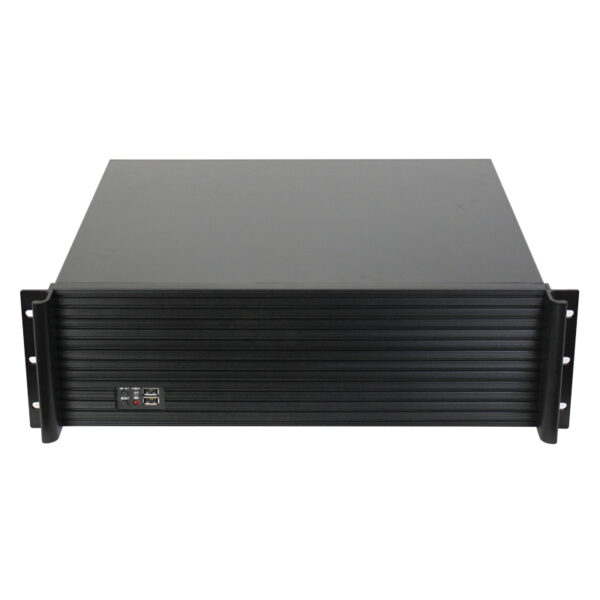
A well-planned 4U chassis may accommodate several 3.5-inch storage devices, a 5.25-inch bay, and multiple add-in cards. Compared with thinner platforms, it can provide more drive capacity and maintenance access around connectors, fans, and power hardware. The result is not automatically better performance; the value comes from matching usable space to the required functionality.
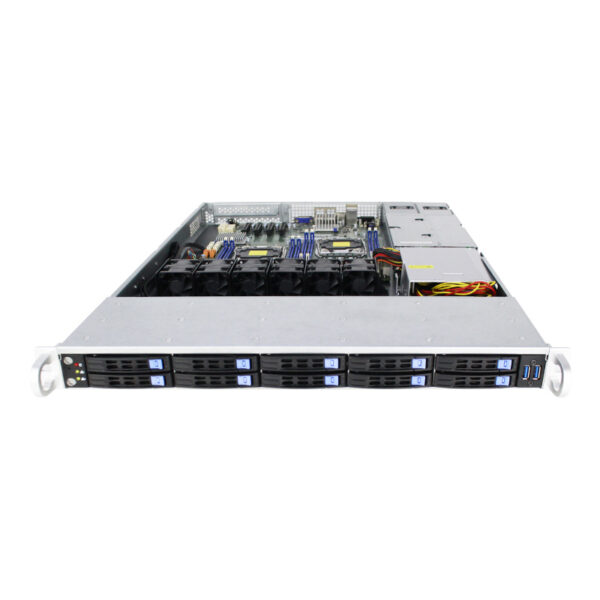
Start with the processor architecture, slot count, card dimensions, and I/O required by the application. A conventional ATX design suits many general-purpose builds, while a single board computer can connect to a passive backplane when the project requires a different slot topology or field-replaceable compute board.

PICMG specifications include system host board interfaces designed to connect PCIe peripherals through backplanes. Confirm that the selected motherboard, risers, slot hardware, and add-in devices are electrically and mechanically compatible. Board computers, graphics accelerators, frame grabbers, motion cards, and network adapters may also affect slot spacing, cable routing, and cooling fan placement.

How Do Cooling, Power Supplies, Bays, Filters, and Front Access Improve Reliability?

Reliability depends on moving heat, delivering stable power, securing storage, and making routine service practical. Airflow should travel through clear ventilation paths, with fan size and placement selected for the installed heat load rather than the empty chassis.

PSU wattage should cover the processor, cards, drives, startup demand, and appropriate design margin. Depending on the system design, power supplies may be fixed or hot-swappable. A front drive bay can simplify HDD storage service; removable filters help control dust; and front panel USB ports reduce the need to reach behind the system. Features such as a lockable door, tool-conscious access, and correctly positioned 120mm fans can keep components cool and enable easy maintenance.

Que sont les rails de guidage du châssis ?

Which rackmount chassis size should I choose?

Choose 1U or 2U for higher rack density, and 3U or 4U when you need more drives, expansion cards, cooling space, or easier servicing. Always verify rack depth and component dimensions.

A 4U chassis can provide space for ATX motherboards, full-height cards, multiple drives, and flexible power options. Exact compatibility depends on the selected model.

Available configurations may support ATX, Micro-ATX, Mini-ITX, industrial motherboards, or PICMG-style backplanes. Confirm board dimensions, mounting points, and expansion-slot requirements before ordering.

Review airflow direction, fan locations, drive heat, PSU format, wattage, and redundancy requirements. The final cooling and power design should match the installed processor, storage, and expansion cards.

Yes. OEM/ODM options include custom dimensions, port placement, airflow design, drawings, prototyping, and volume production based on your technical requirements.

Ready to Configure the Right Industrial Rackmount Chassis?

Share your rack depth, motherboard form factor, expansion-card count, storage layout, PSU requirements, cooling approach, front-access needs, and operating environment. iSTONECASE will assess component fit, airflow, serviceability, and future expansion to recommend a suitable standard chassis or develop a custom OEM/ODM configuration for your industrial computing system.