저희와 상담해 보세요 서버 섀시 엔지니어 및 영업팀




구독자 24,000명
사용 목적, 섀시 유형, 랙 높이, 마더보드, GPU, 드라이브 베이, 전원 공급 장치, 냉각 시스템, I/O 및 주문 수량을 알려주십시오. 당사의 엔지니어 및 영업팀이 귀사의 프로젝트에 적합한 표준 모델 또는 OEM/ODM 구성을 추천해 드리겠습니다.

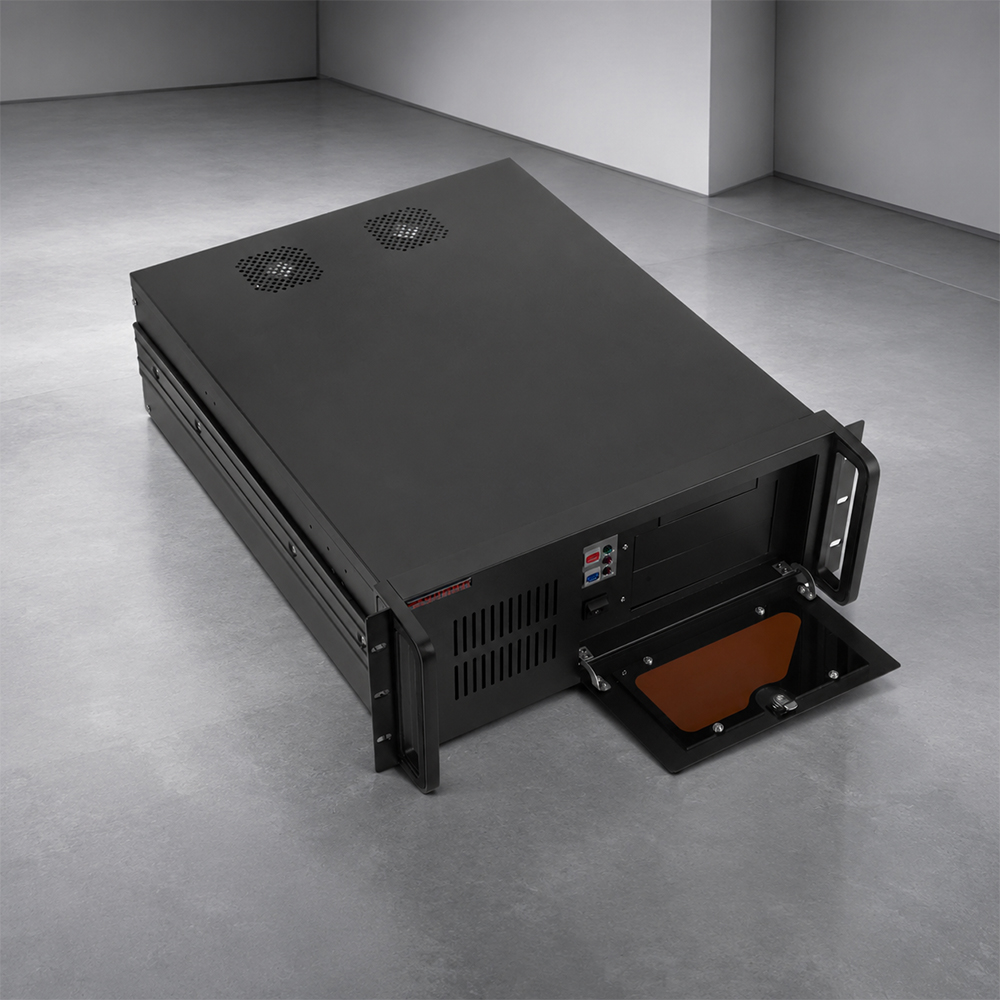
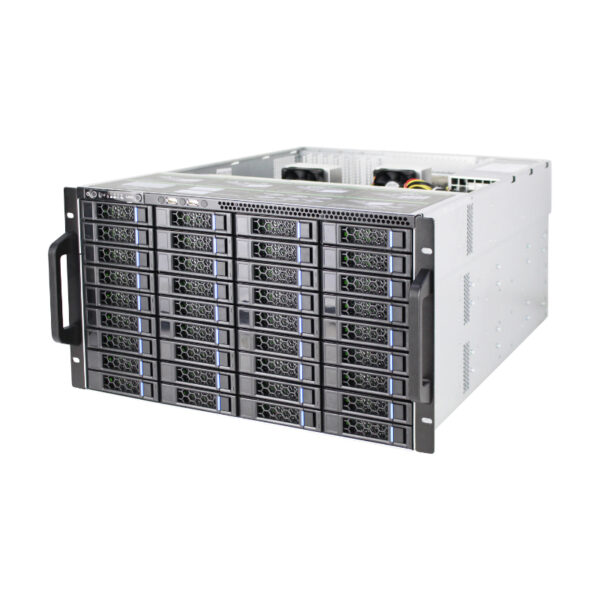
ISC-SC665-H60-T는 60개의 핫스왑 지원 3.5인치 베이를 갖춘 6U 랙마운트 스토리지 섀시이며,…
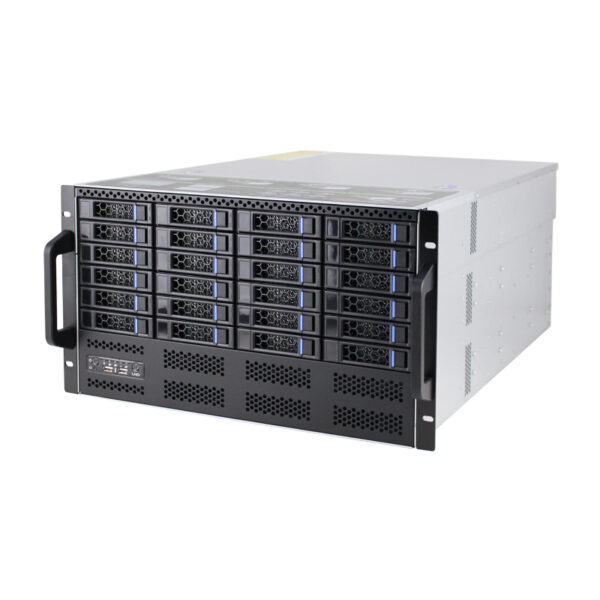
ISC-SC665-H48-T는 최대 48대를 수용할 수 있는 6U 랙마운트 서버 섀시입니다…
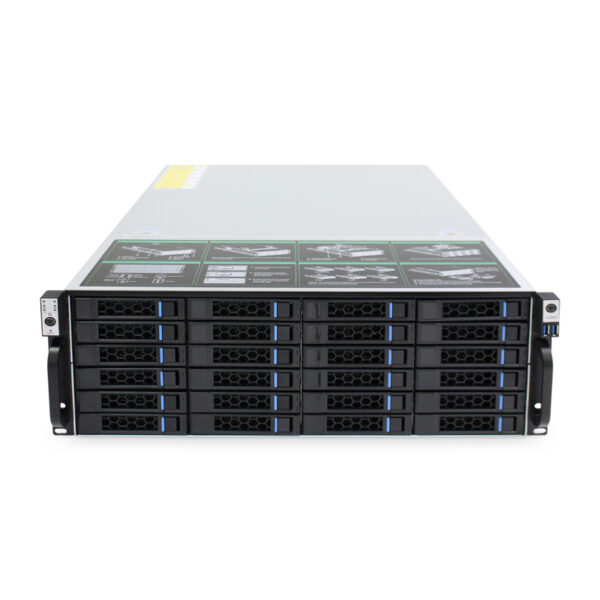
ISC-SC465-H36-T는 전면 24개, 후면 12개의…를 갖춘 4U 랙 마운트 스토리지 섀시입니다.
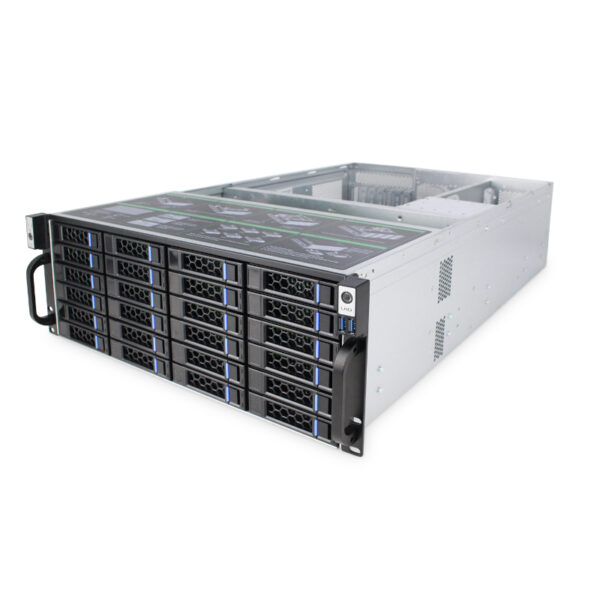
ISC-SC465-H24-T는 전면부에 3.5인치 베이 24개를 갖춘 4U 랙마운트 스토리지 섀시입니다…
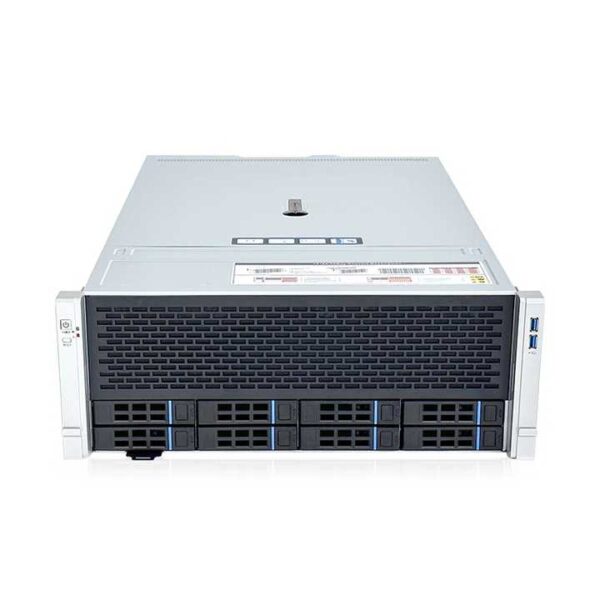
ISC-SC465B08-L은 8개의 3.5인치 SAS/SATA…를 탑재한 4U 랙마운트 서버 섀시입니다.
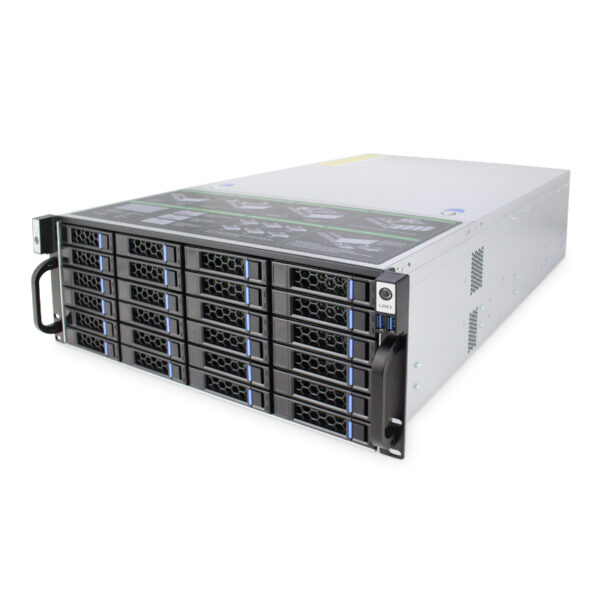
3.5인치 드라이브용 전면 베이 24개를 갖춘 4U 랙마운트 서버 섀시 및…
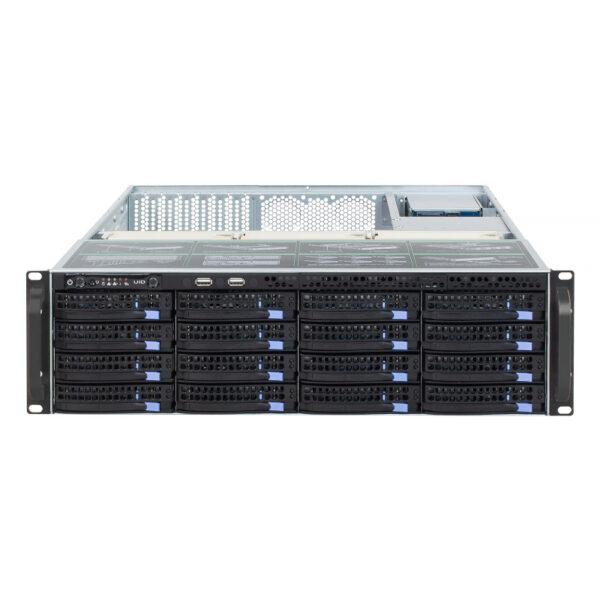
ISC-SC365-H16-T는 전면부에 16개의 3.5인치 핫스왑…을 갖춘 3U 랙마운트 서버 섀시입니다.
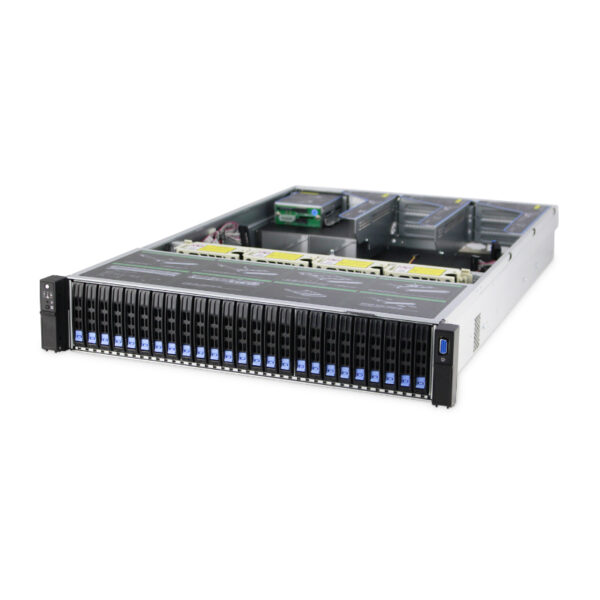
ISC-SC278S-H25-T는 전면부에 2.5인치 베이 25개를 갖춘 2U 랙마운트 서버 섀시이며,…
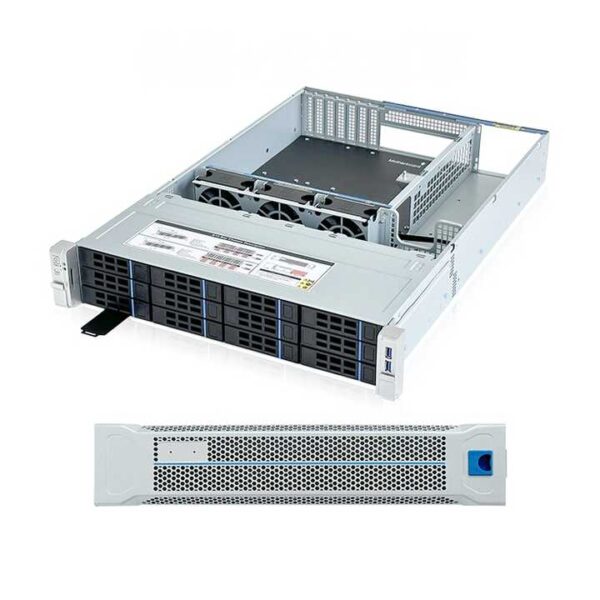
ISC-SC265C12-L은 12개의 SAS/SATA 핫스왑 기능을 갖춘 2U SECC 강철 서버 섀시입니다…
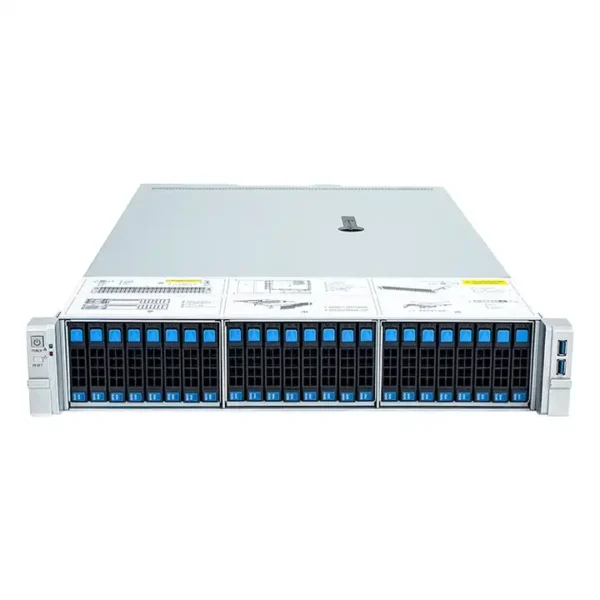
ISC-SC265B24-L은 전면 핫스왑 방식의 3.5인치/2.5인치 드라이브 12개를 탑재한 2U 랙마운트 서버 섀시입니다…
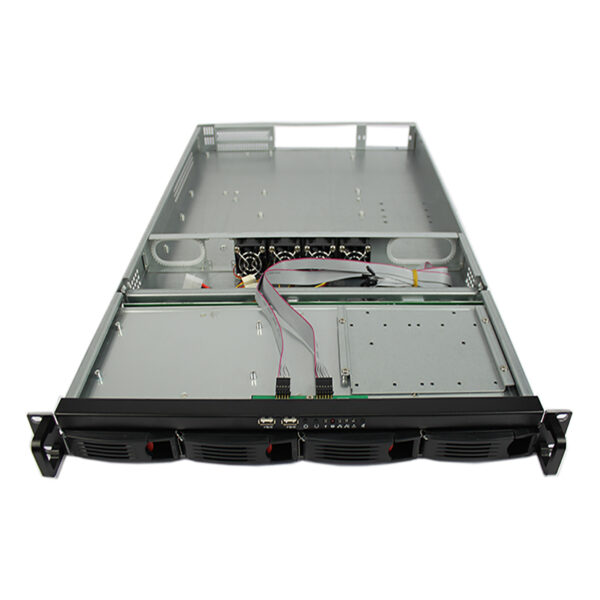
ISC-R166-4-M은 전면에서 접근 가능한 4개의 드라이브를 갖춘 1U 랙마운트 서버 섀시입니다…
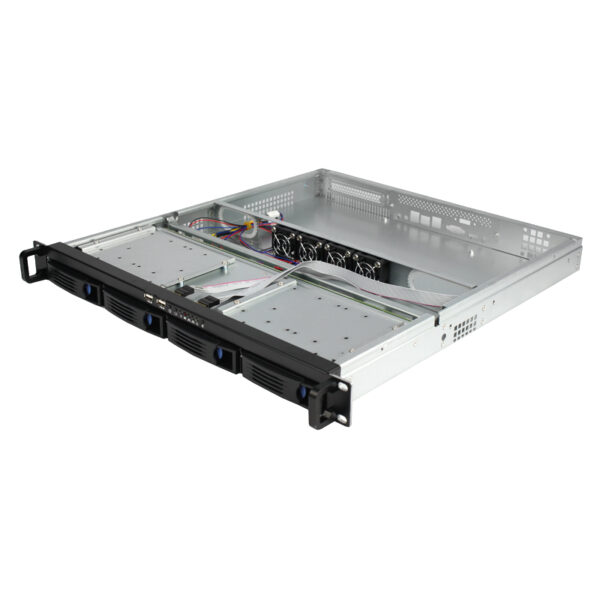
iSTONECASE ISC-R148-4-M은 1U SGCC 강철 랙 마운트 섀시로, 다음을 지원합니다…
| 제품 이미지 | 폼 팩터 | 치수(D×W×H mm) | 재료 | HDD 베이 | 마더보드 지원 | PSU 옵션 | 냉각 | 확장 슬롯 | 지원 사용자 지정 |
|---|---|---|---|---|---|---|---|---|---|
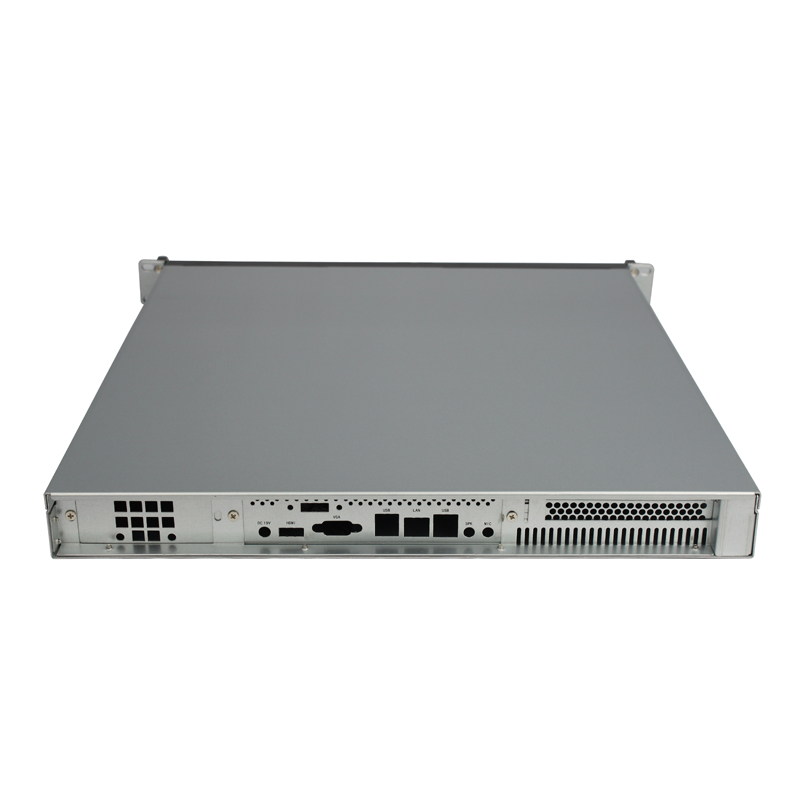
| 1U | 482×480×44.5 | SGCC, 1.2mm | 4×3.5인치 또는 6×2.5인치 | 7″×7″(170×170mm) | FLEX PSU | 4×40×20mm 팬 | 전체 높이 PCIe 1개 | 예 |
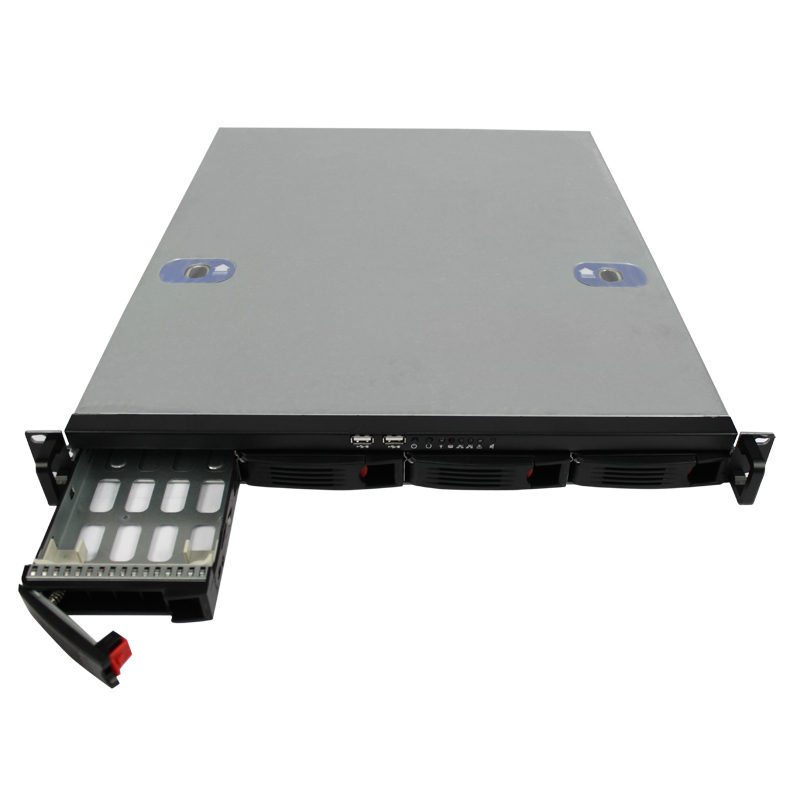
| 1U | 482×550×44.5 | SGCC, 1.2mm | 4×3.5″ + 2×2.5″ | 12″×9.6″(305×240mm) | 1U 특수 PSU | 4×40×28mm 팬 | PCI-E 1개(라이저 옵션) | 예 |
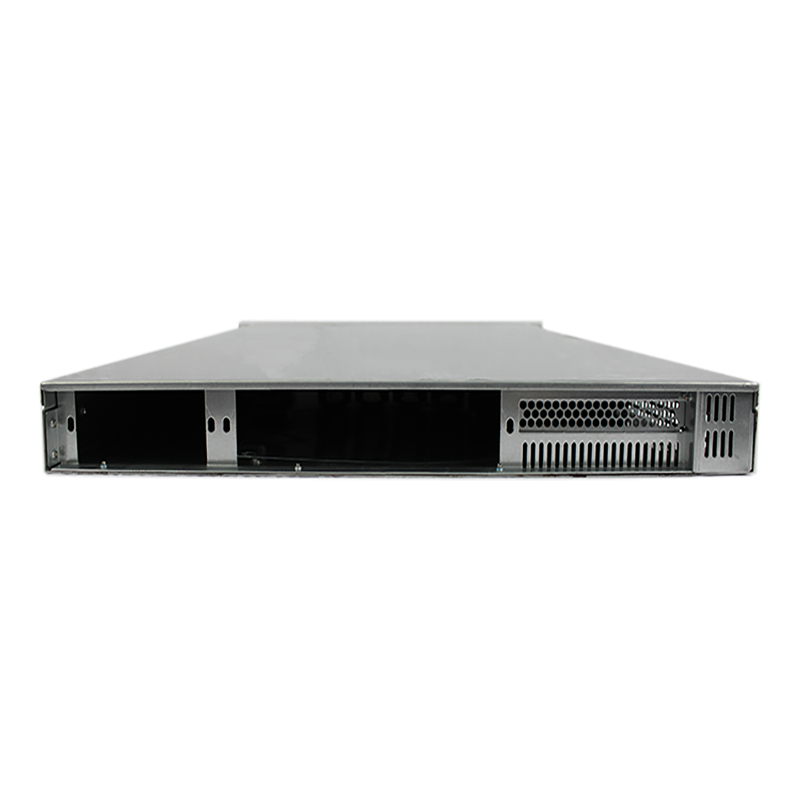
| 1U | 482×660×44.5 | SGCC, 1.2mm | 4×3.5″ | 12″×13″(305×340mm) | 1U 특수 PSU | 4×40×28mm 팬 | 전체 높이 PCIe(라이저) 1개 | 예 |
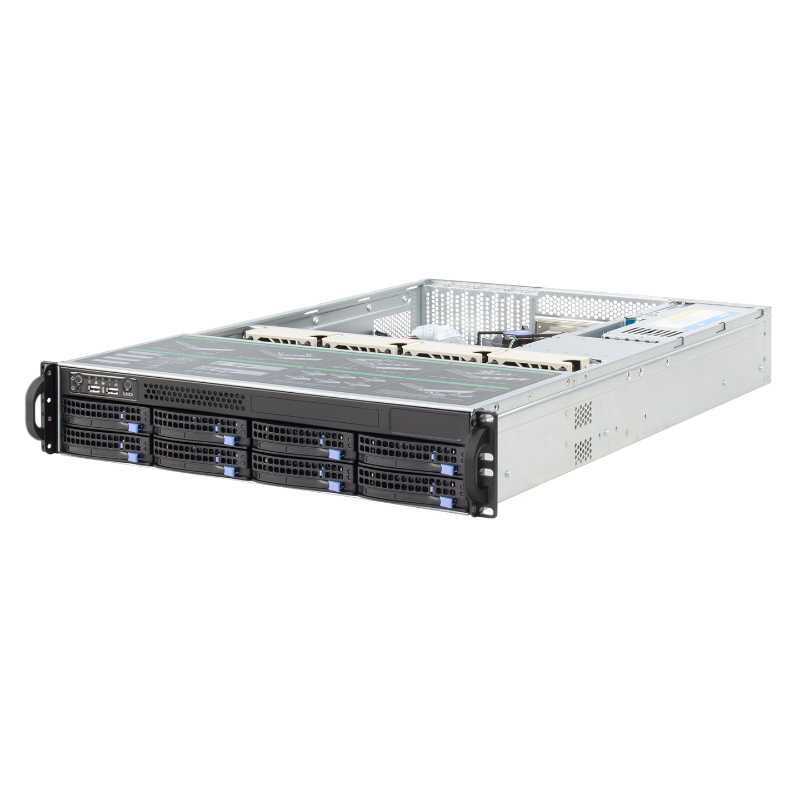
| 2U | 650×437.5×88 | SGCC, 1.0mm | 8×3.5″ + 3×2.5″ | ≤12″×13″ | 2U PSU / CRPS | 3×80mm 볼 베어링 | 7 하프 높이 PCIe | 예 |
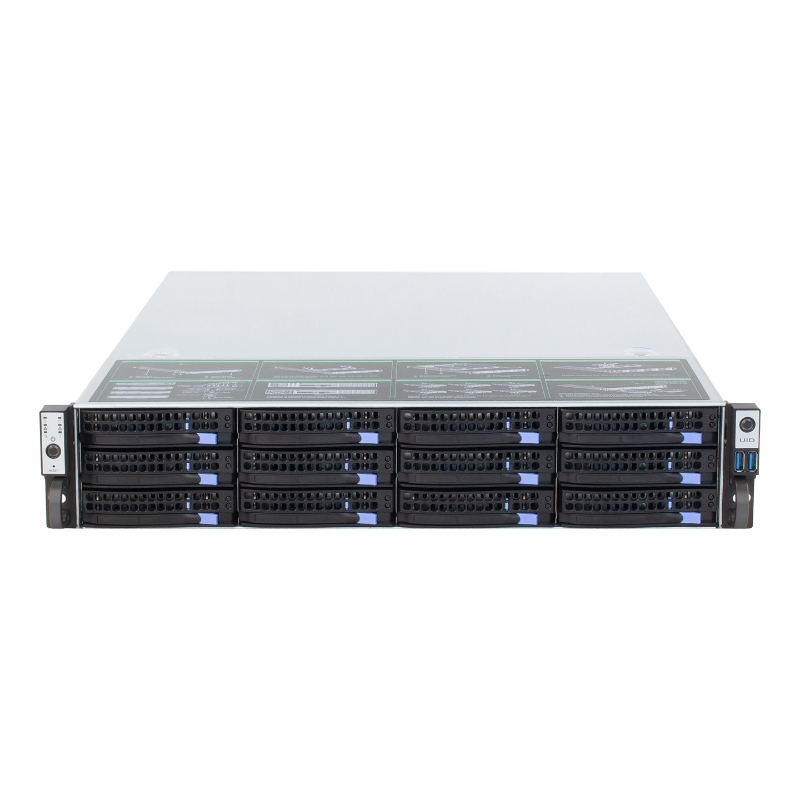
| 2U | 650×437.5×88 | SGCC, 1.0mm | 12×3.5″ + 3×2.5″ | ≤12″×13″ | 2U PSU / CRPS | 3×80mm 볼 베어링 | 7 하프 높이 PCIe | 예 |
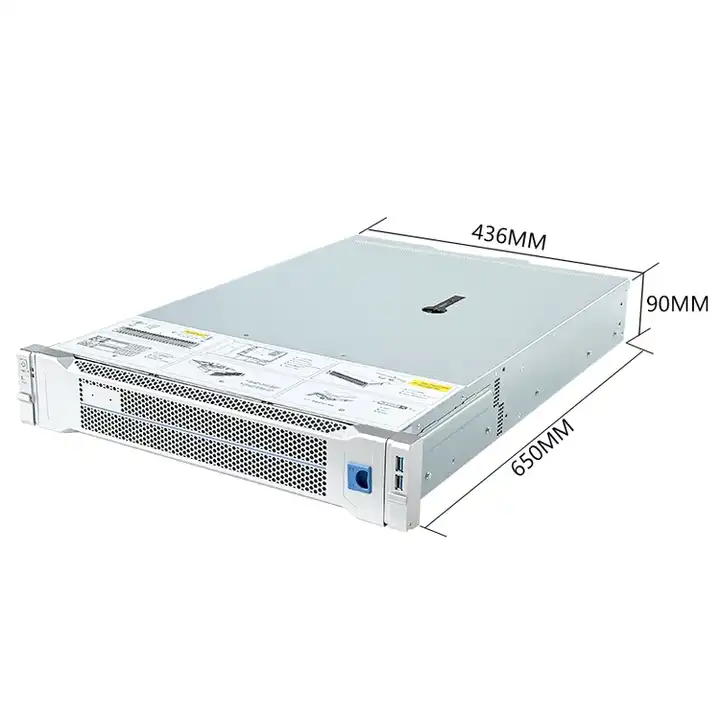
| 2U | 650×436×90 | SECC/플라스틱, 1.0mm | 12×3.5인치/2.5인치 핫스왑 | E-ATX/CEB/ATX/μATX | 중복 또는 2U PSU | 3×80mm 핫스왑 | 7 하프 높이 PCIe | 예 |
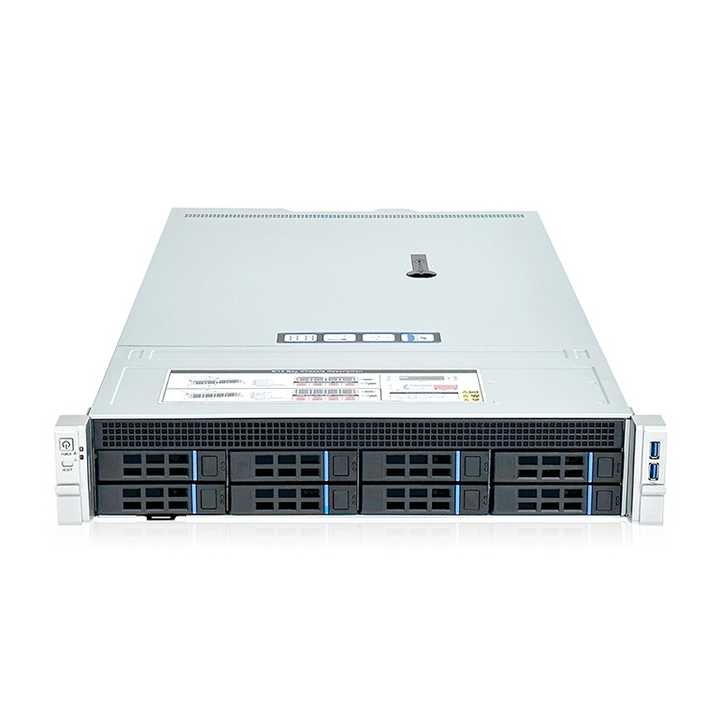
| 2U | 650×436×90 | SECC/합금/플라스틱, 1.0mm | 8×3.5인치/2.5인치 핫스왑 | E-ATX/CEB/ATX/μATX | 중복 또는 2U PSU | 3×80mm 핫스왑 | 7 하프 높이 PCIe | 예 |
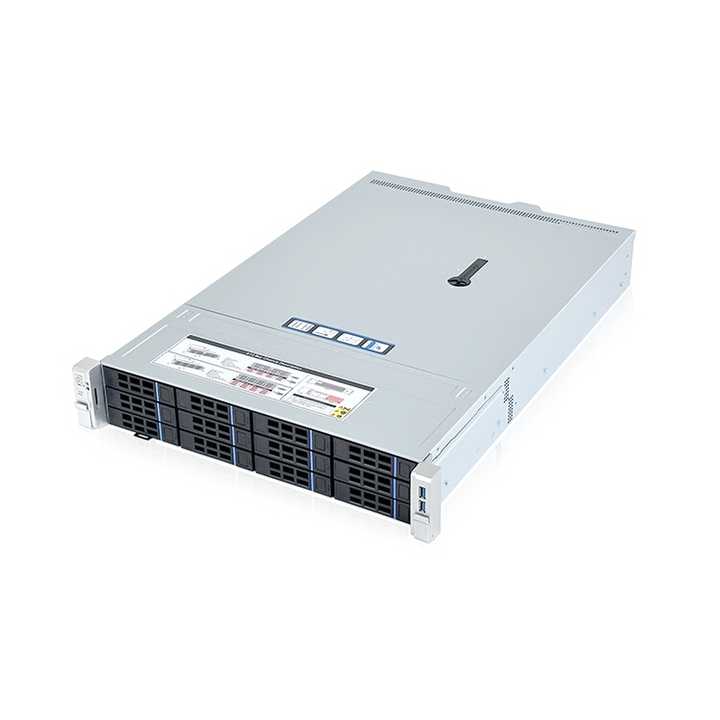
| 2U | 650×436×90 | SECC/합금/플라스틱, 1.0mm | 12×3.5인치/2.5인치 핫스왑 | E-ATX/CEB/ATX/μATX | 중복 또는 2U PSU | 3×80mm 핫스왑 | 7 하프 높이 PCIe | 예 |
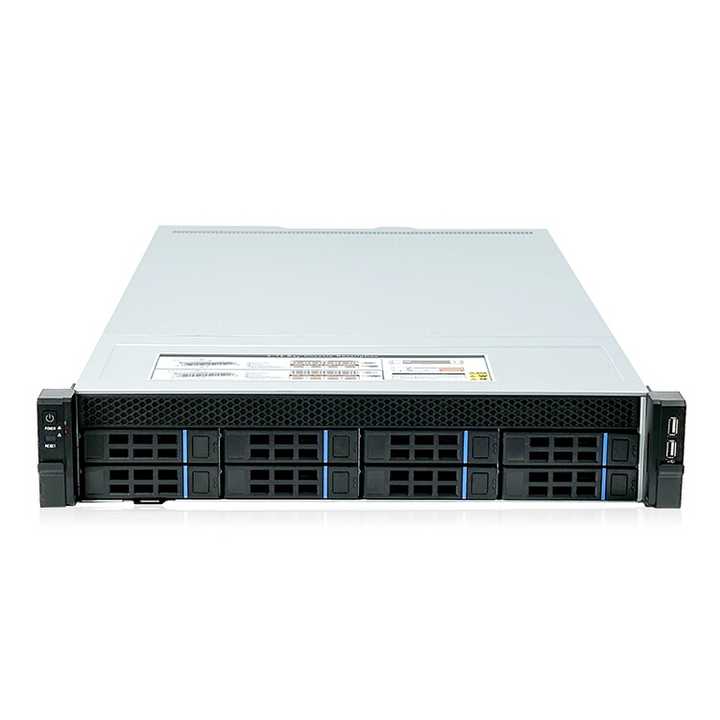
| 2U | 650×436×90 | SECC/플라스틱, 1.0mm | 8×3.5인치/2.5인치 핫스왑 | E-ATX/CEB/ATX/μATX | 중복 또는 2U PSU | 3×80mm 핫스왑 | 7 하프 높이 PCIe | 예 |
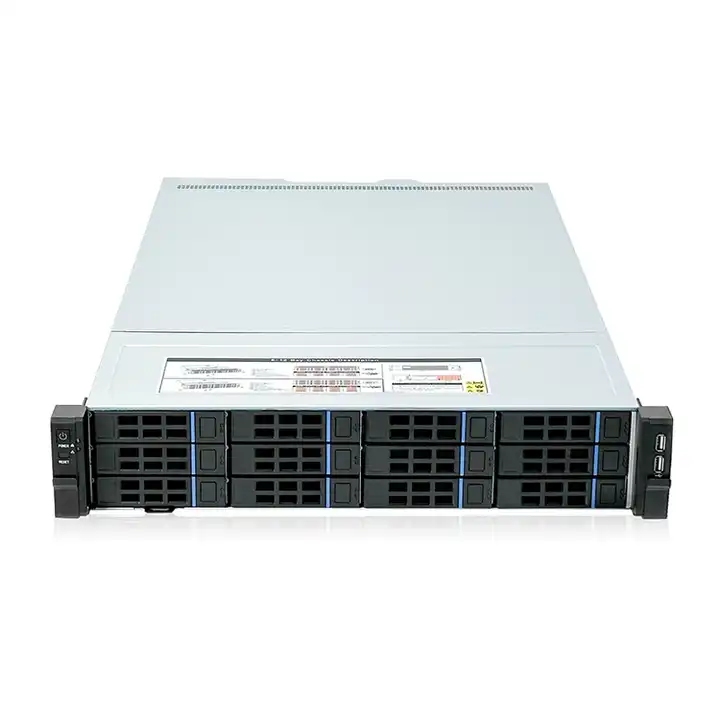
| 2U | 650×436×90 | SECC/플라스틱, 1.0mm | 12×3.5인치/2.5인치 핫스왑 | E-ATX/CEB/ATX/μATX | 중복 또는 2U PSU | 3×80mm 핫스왑 | 7 하프 높이 PCIe | 예 |
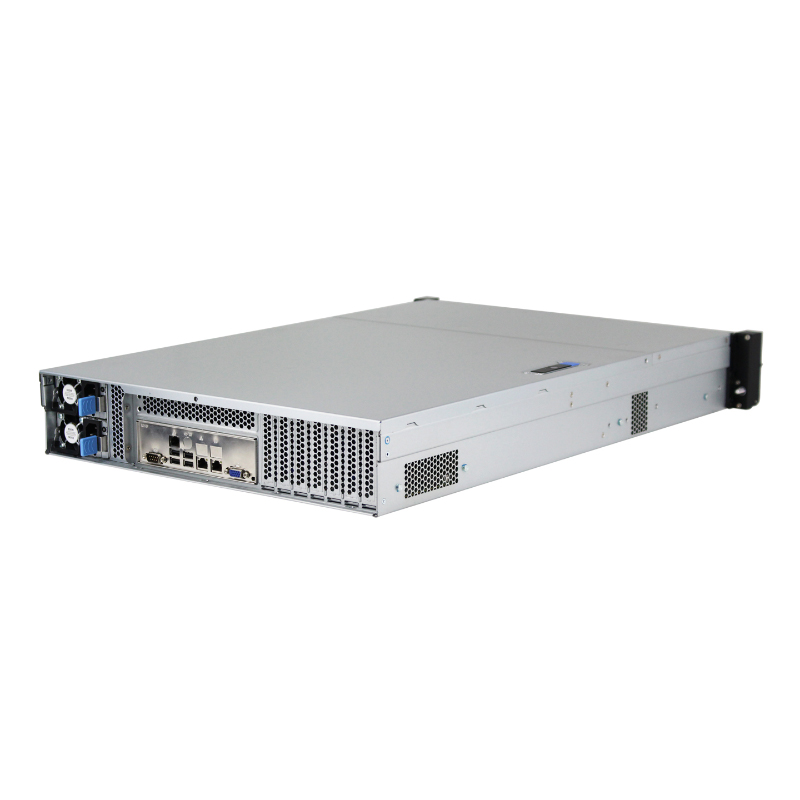
| 2U | 650×437.5×88 | SGCC, 1.0mm | 25×2.5″ | ≤12″×13″ | 2U/CRPS | 3×80mm 핫스왑 | 7 하프 높이 PCIe | 예 |
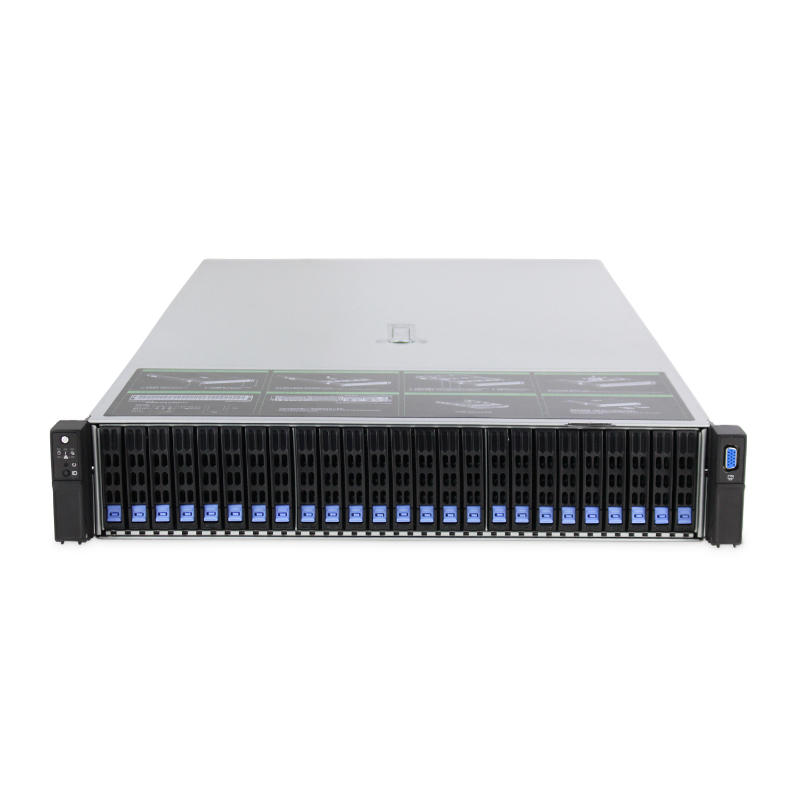
| 2U | 780×437.5×88 | SGCC, 1.0mm | 25×2.5″ | 사용자 지정 | CRPS | 4×80mm 핫스왑 | 전체 높이 2개 + 절반 1개 | 예 |
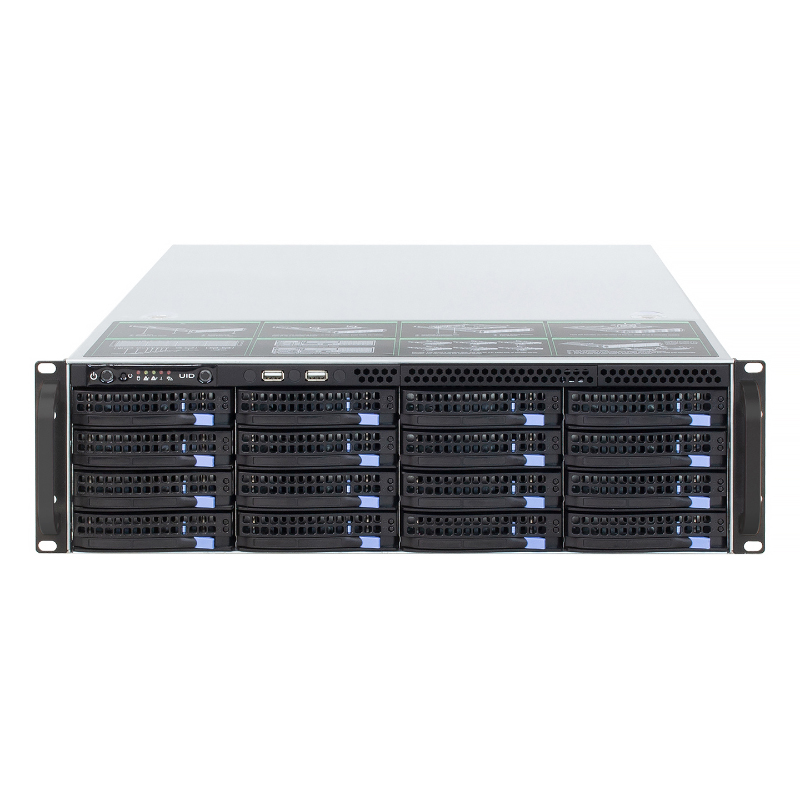
| 3U | 650×437.5×132 | SGCC, 1.0mm | 16×3.5″ + 3×2.5″ | ≤12″×13″ | 2U PSU / CRPS | 3×120mm 핫스왑 | 7 풀 높이 PCIe | 예 |
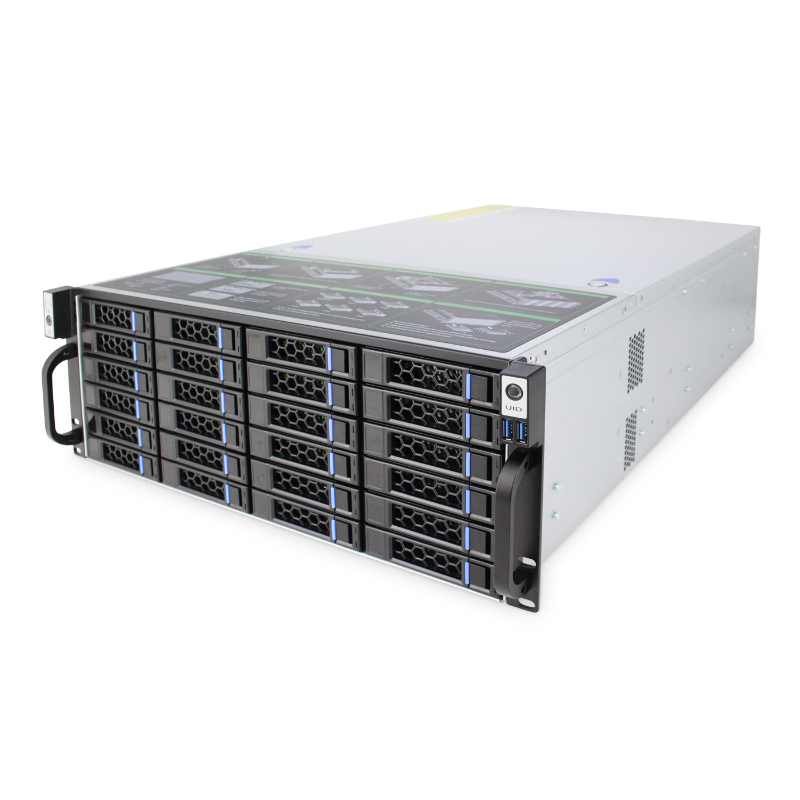
| 4U | 560×437.5×176 | SGCC, 1.0mm | 24×3.5″ + 3×2.5″ | 표준 | ATX/CRPS | 3×120mm 핫스왑 | 7 풀 높이 PCIe | 예 |
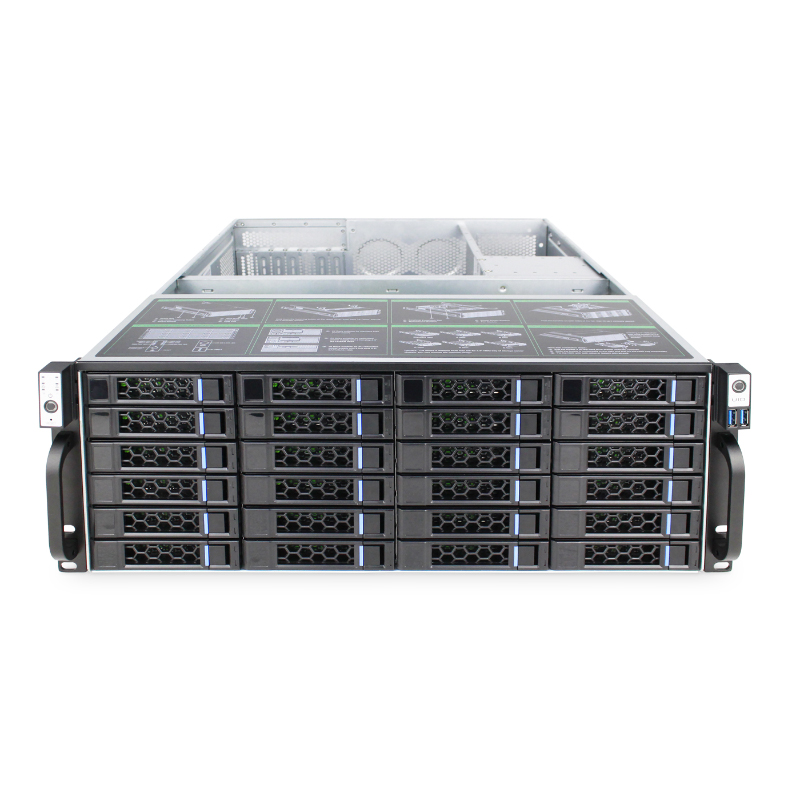
| 4U | 560×437.5×176 | SGCC, 1.0mm | 24×3.5″ + 3×2.5″ | 표준 | ATX/CRPS | 2×120mm | 7 풀 높이 PCIe | 예 |
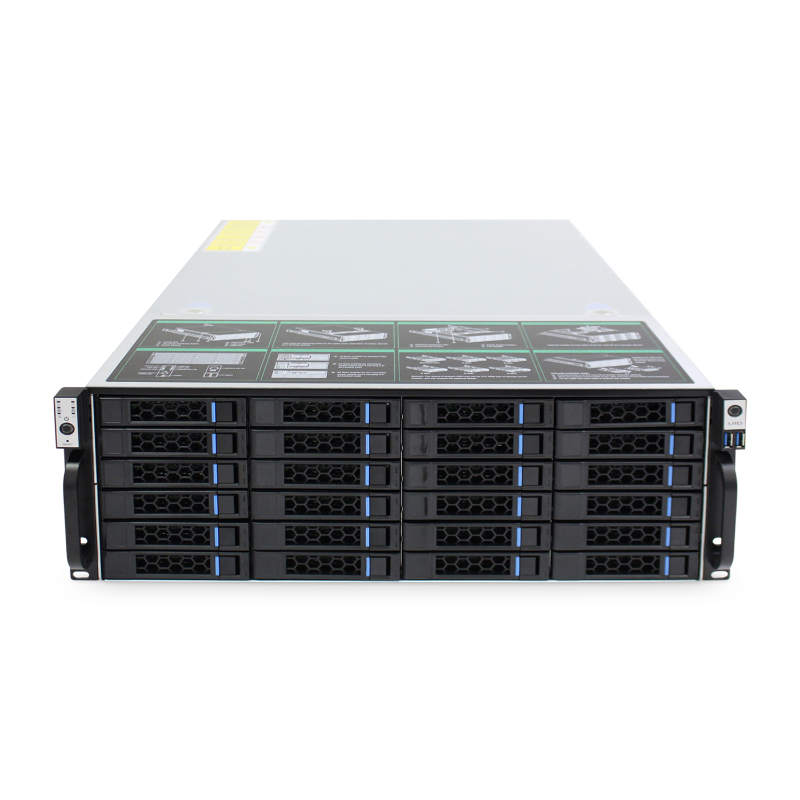
| 4U | 650×437.5×177 | SGCC, 1.0mm | 전면 24개 + 후면 12개 3.5인치 | 백플레인 확장 | 2U PSU/CRPS | 3×120mm 볼 베어링 | 7 하프 높이 PCIe | 예 |
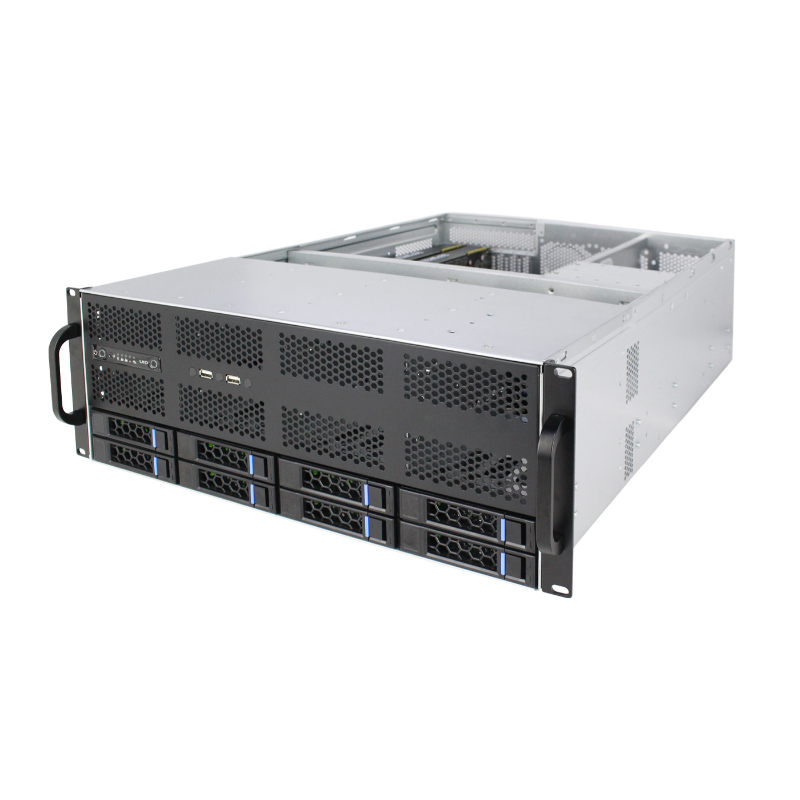
| 4U | 650×437.5×177 | SGCC, 1.0mm | 8×3.5″/2.5″ | Direct/SFF8087 | 2U PSU/CRPS | 3×120mm 핫스왑 | 7 풀 높이 PCIe | 예 |
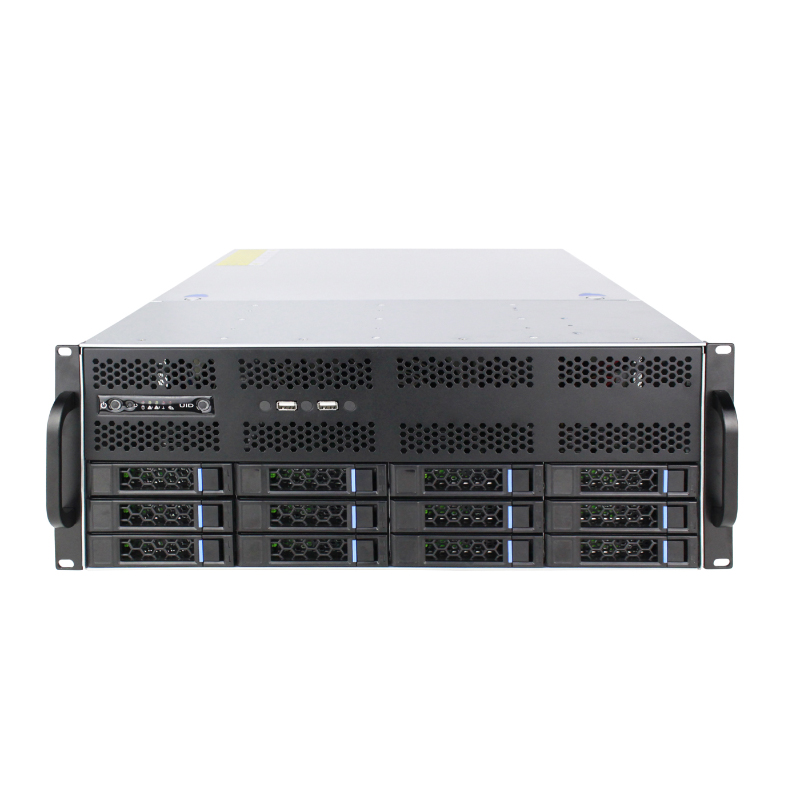
| 4U | 650×437.5×177 | SGCC, 1.0mm | 12×3.5″/2.5″ | Direct/SFF8087 | 2U PSU/CRPS | 3×120mm 핫스왑 | 7 풀 높이 PCIe | 예 |
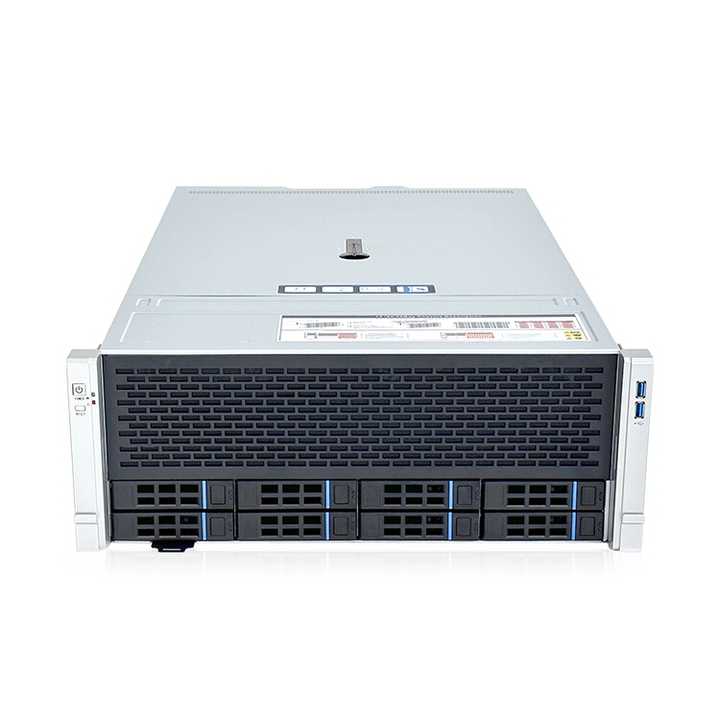
| 4U | 650×436×177 | SECC/합금/플라스틱, 1.0mm | 8×3.5″/2.5″ | 12Gb/s SAS | 중복/ATX | 3×120mm + 2×80mm | 11 풀 높이 PCIe | 예 |
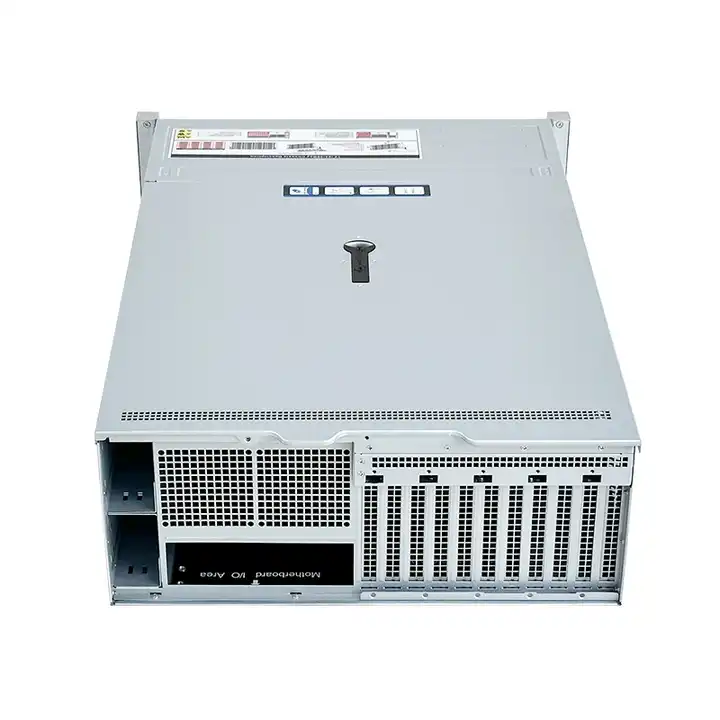
| 4U | 650×436×177 | SECC/합금/플라스틱, 1.0mm | 8×3.5″/2.5″ U.2 | 2×NVMe 다이렉트 백플레인 | 중복/ATX | 3×120mm + 2×80mm | 11 풀 높이 PCIe | 예 |
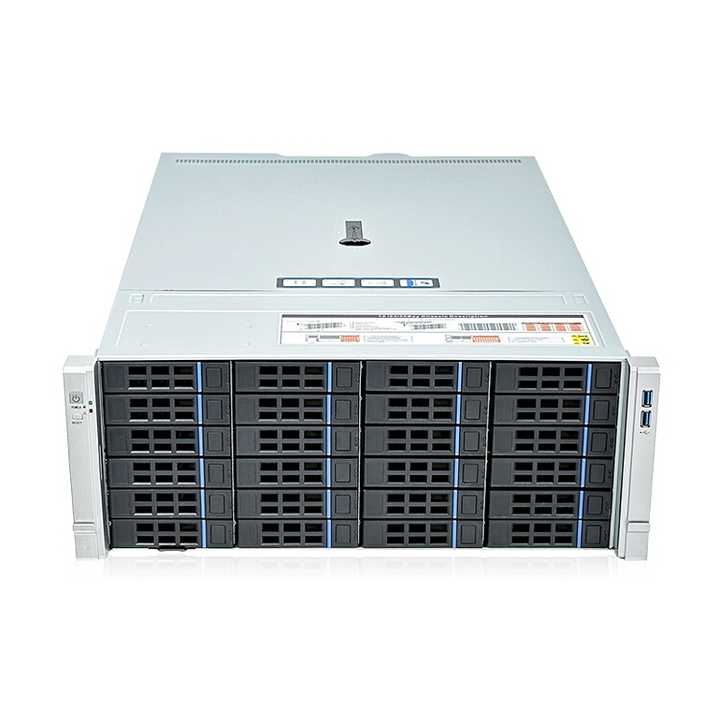
| 4U | 650×436×177 | SECC/합금/플라스틱, 1.0mm | 24×3.5″/2.5″ | 6Gb/s SAS | 중복/ATX | 3×120mm 핫스왑 | 7 풀 높이 PCIe | 예 |
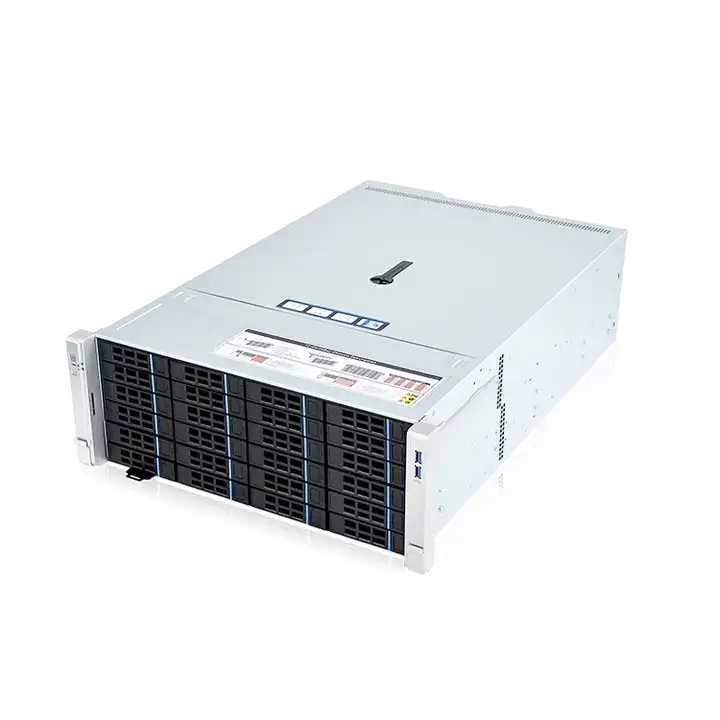
| 4U | 650×436×177 | SECC/합금/플라스틱, 1.0mm | 24×3.5인치/2.5인치(확장기) | 12Gb/s 확장 백플레인 | 중복/ATX | 3×120mm 핫스왑 | 7 풀 높이 PCIe | 예 |
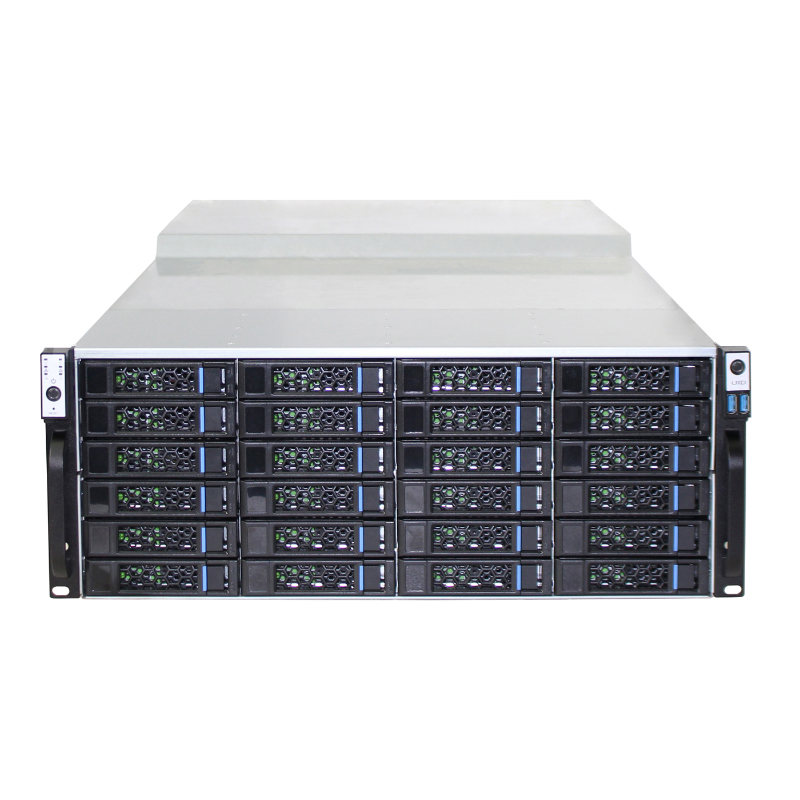
| 4U | 850×437.5×176.5 | SGCC, 1.0mm | 24×2.5″ | Direct/SFF8643 | CRPS | 6×120mm 볼 베어링 | 16 풀 높이 PCIe | 예 |
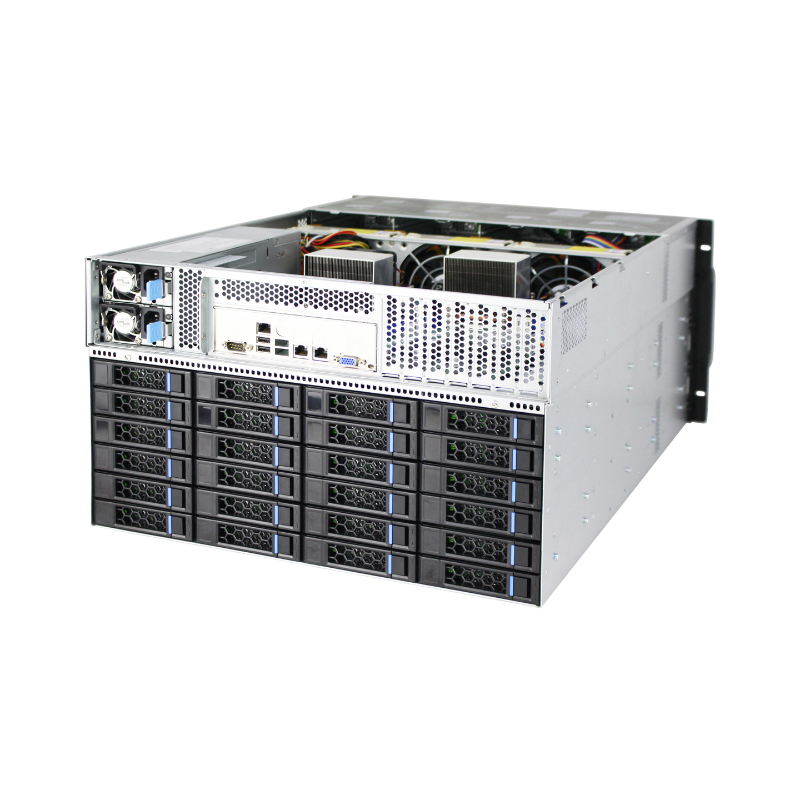
| 6U | 650×437.5×265 | SGCC, 1.0mm | 60×3.5″ + 2×2.5″ | 백플레인 확장 | CRPS | 6×120mm 핫스왑 | 7 하프 높이 PCIe | 예 |
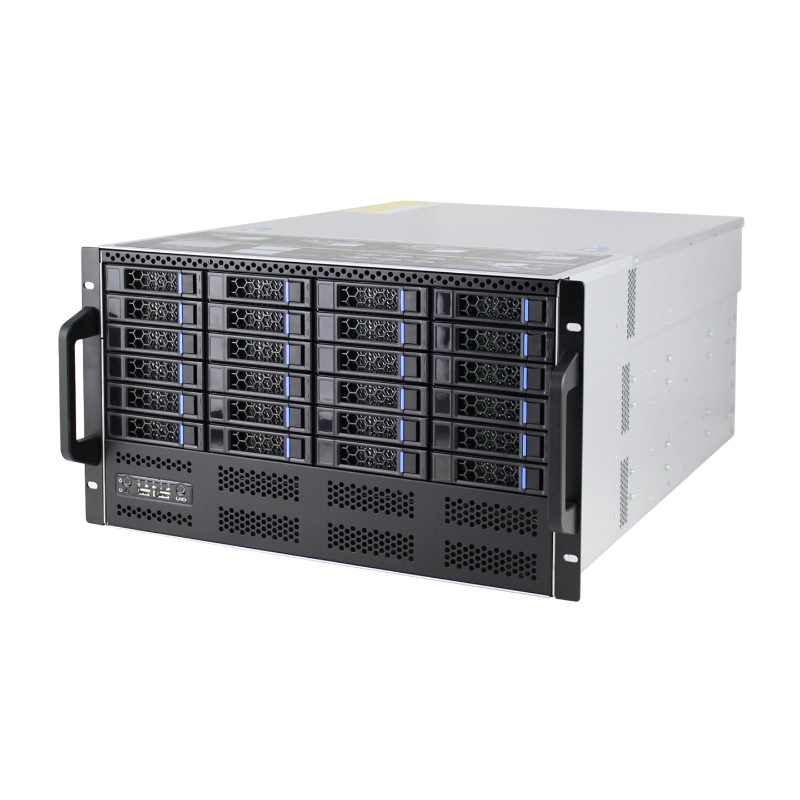
| 6U | 650×437.5×265 | SGCC, 1.0mm | 48×3.5″ + 2×2.5″ | 백플레인 확장 | ATX/리던던트 | 6×120mm 핫스왑 | 7 하프 높이 PCIe | 예 |


