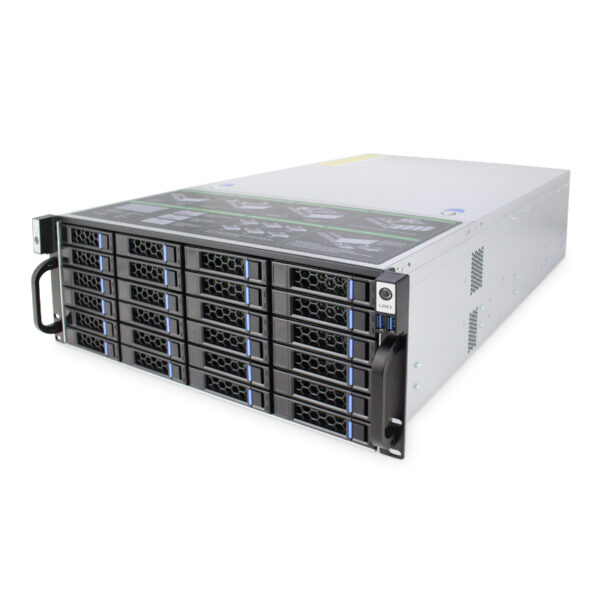
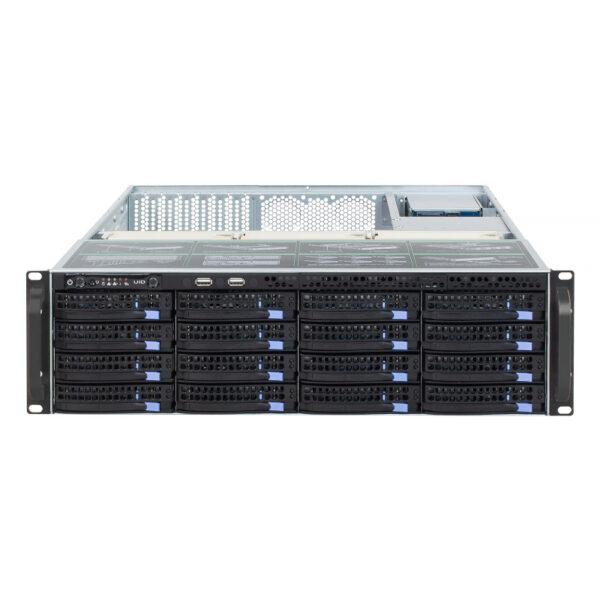
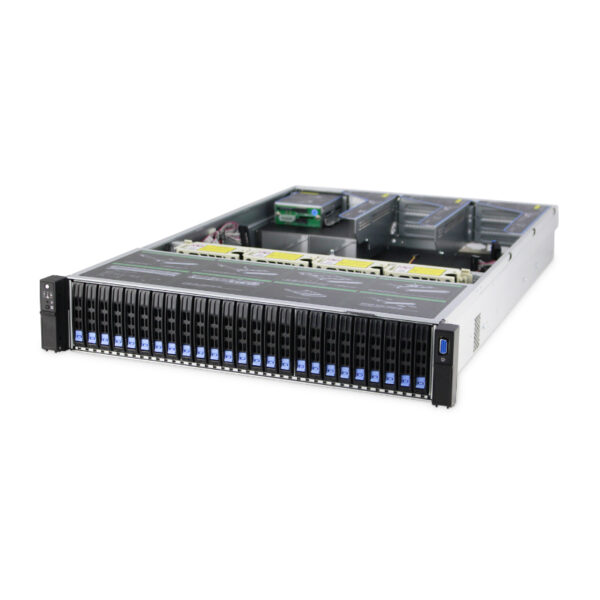
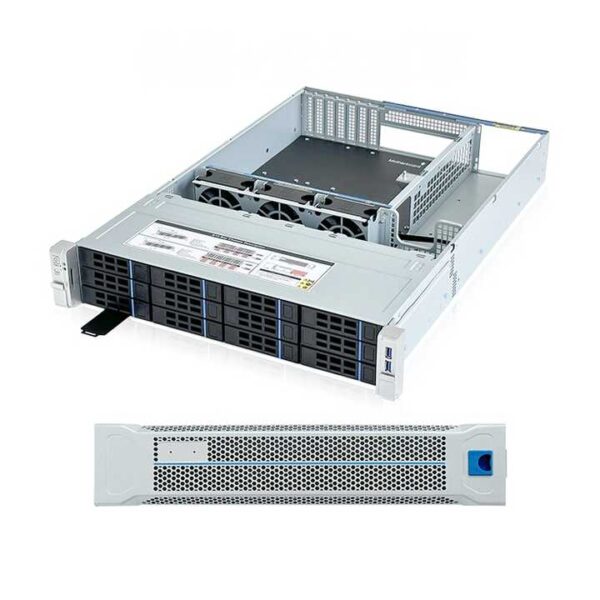
GPU Server Case Applications for Practical 2U and 4U Rackmount Builds

GPU server case applications range from AI infrastructure and rendering to engineering simulation, private cloud, and accelerated media systems. The right server chassis must fit the workload, rack, motherboard, expansion cards, storage, power supplies, and cooling plan—not simply the graphics card.

What are GPU server case applications?

GPU server case applications are deployments that place one or more high-power accelerator cards in a rack mount or tower enclosure built for sustained operation. The case provides mechanical support, PCIe access, airflow, drive capacity, power-delivery space, and serviceability.

Server Chassis
Server Chassis

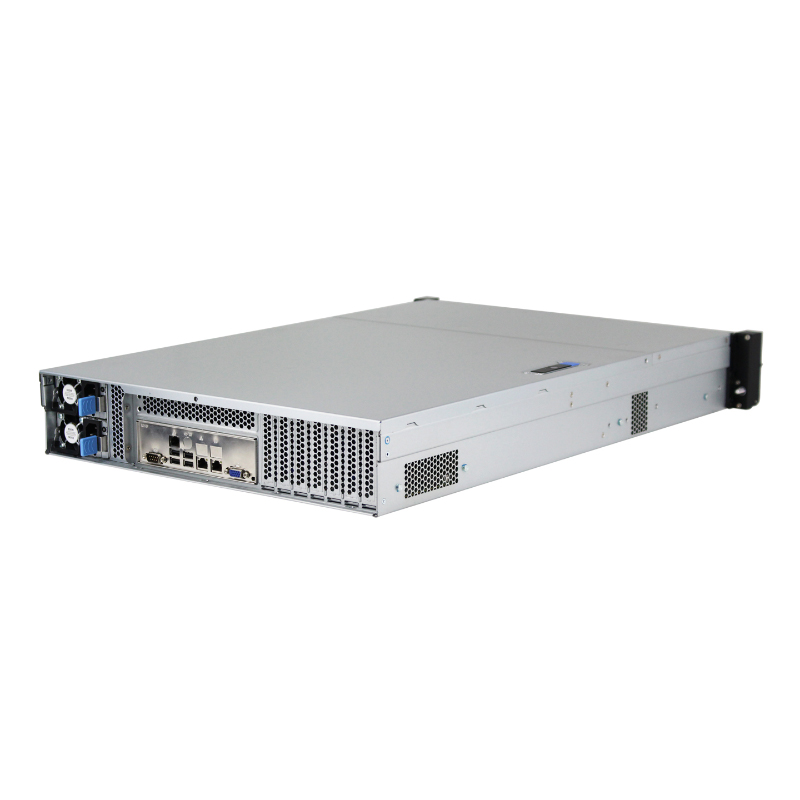
Unlike a general pc case, a rackmount server chassis must match rack depth, rails, front-to-back cooling, and data center maintenance practices.

Server Chassis

Server Case Category Product Key Parameters Comparison Table

Compare each server chassis by form factor, dimensions, material, drive capacity, motherboard support, PSU options, cooling, expansion slots, and customization. Use the table to identify a model that matches your component layout, rack environment, thermal requirements, and future expansion plans.

Product Image Form Factor Dimensions (D×W×H mm) Material HDD Bays Motherboard Support PSU Options Cooling Expansion Slots Support Customization
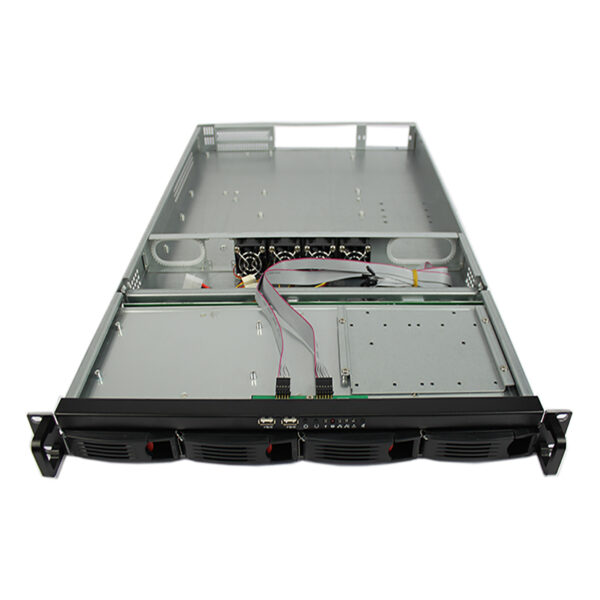
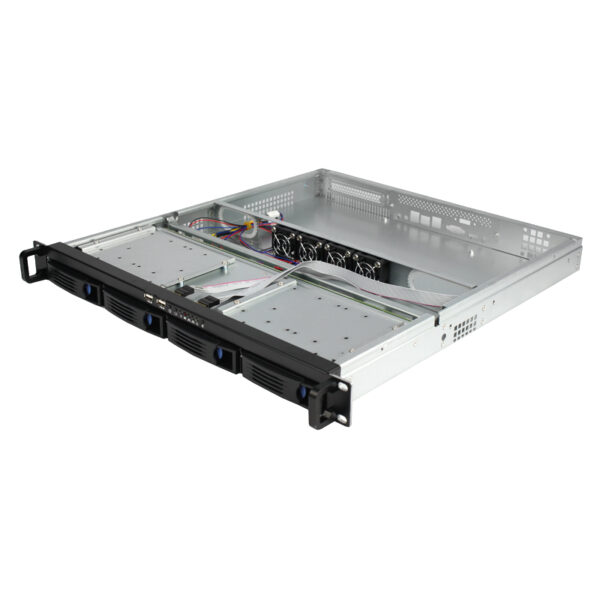
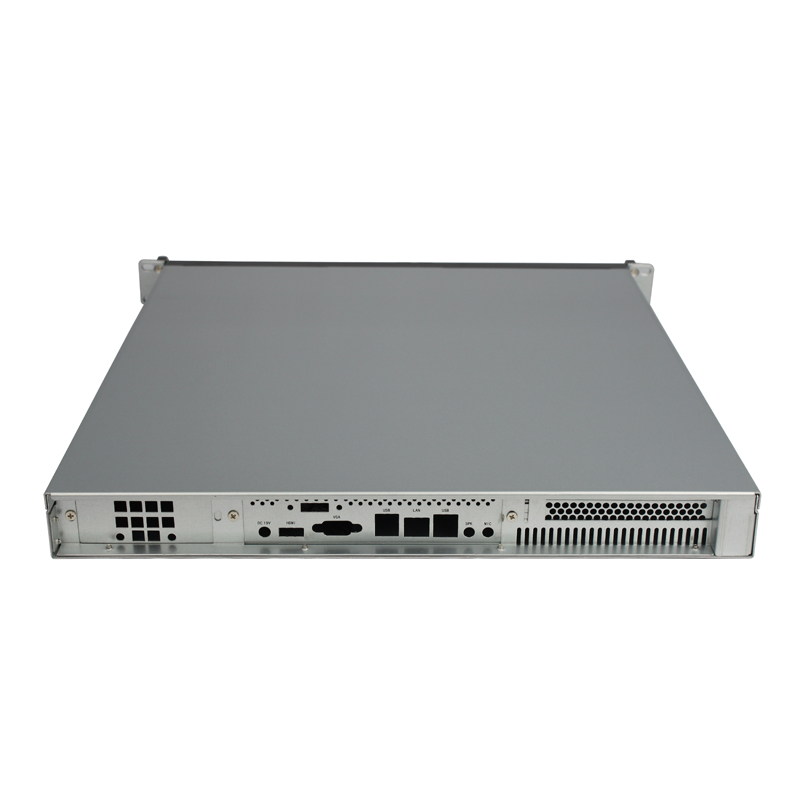
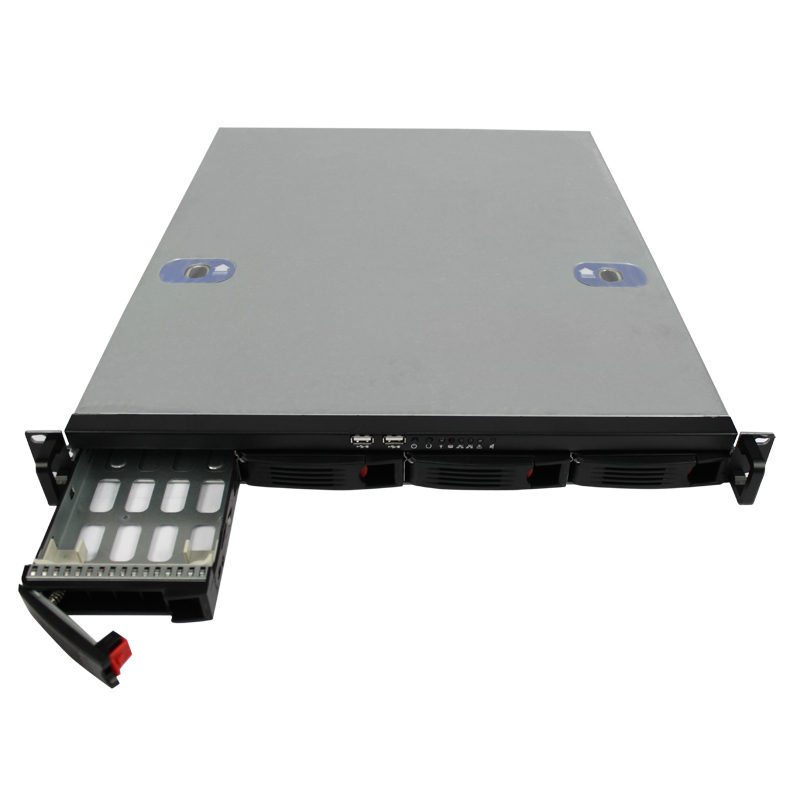
1U Steel Rackmount Server Case 1U 482×480×44.5 SGCC, 1.2 mm 4×3.5″ or 6×2.5″ 7″×7″ (170×170 mm) FLEX PSU 4×40×20 mm fans 1 full-height PCIe Yes
1U Server Case Model ISC-R155-4-M 4 Cooling Fans PCI-E Slot (4) 1U 482×550×44.5 SGCC, 1.2 mm 4×3.5″ + 2×2.5″ 12″×9.6″ (305×240 mm) 1U special PSU 4×40×28 mm fans 1 PCI-E (riser optional) Yes
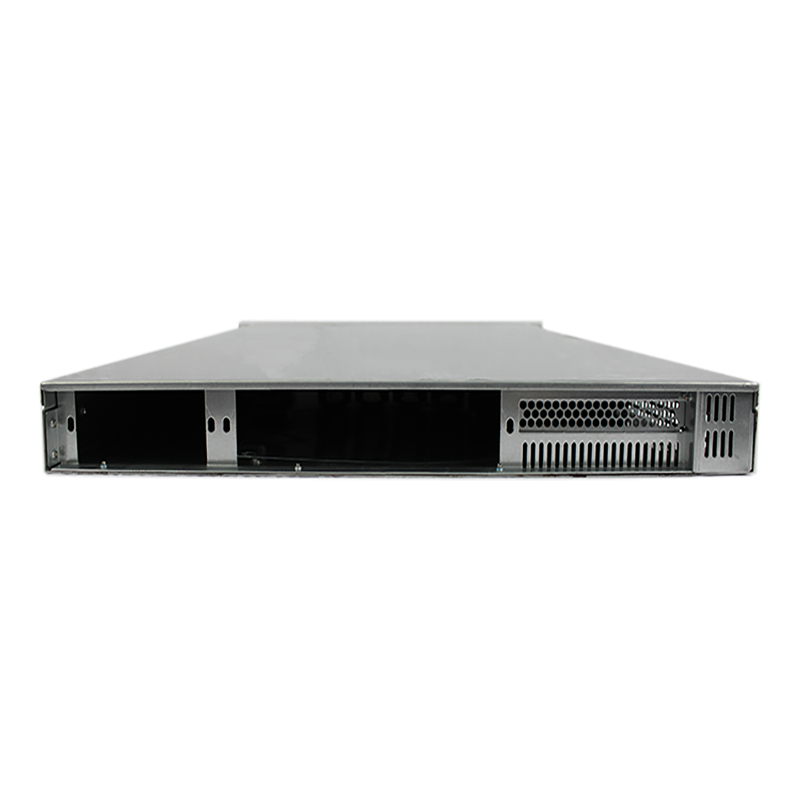
1U Metal Rackmount Server Chassis 1U 482×660×44.5 SGCC, 1.2 mm 4×3.5″ 12″×13″ (305×340 mm) 1U special PSU 4×40×28 mm fans 1 full-height PCIe (riser) Yes
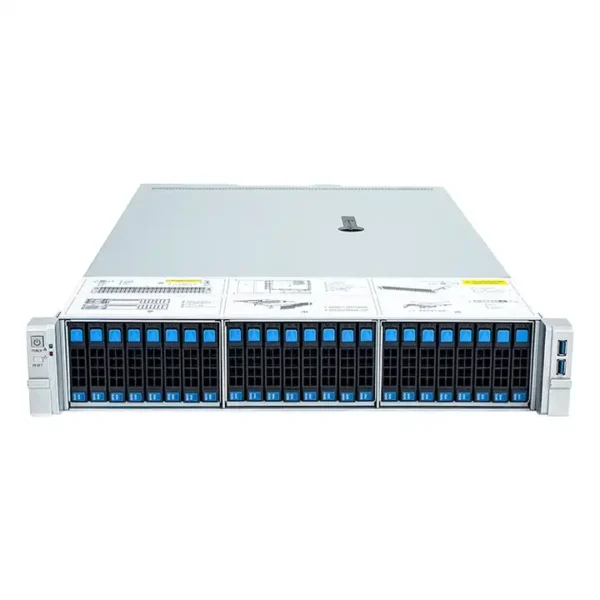
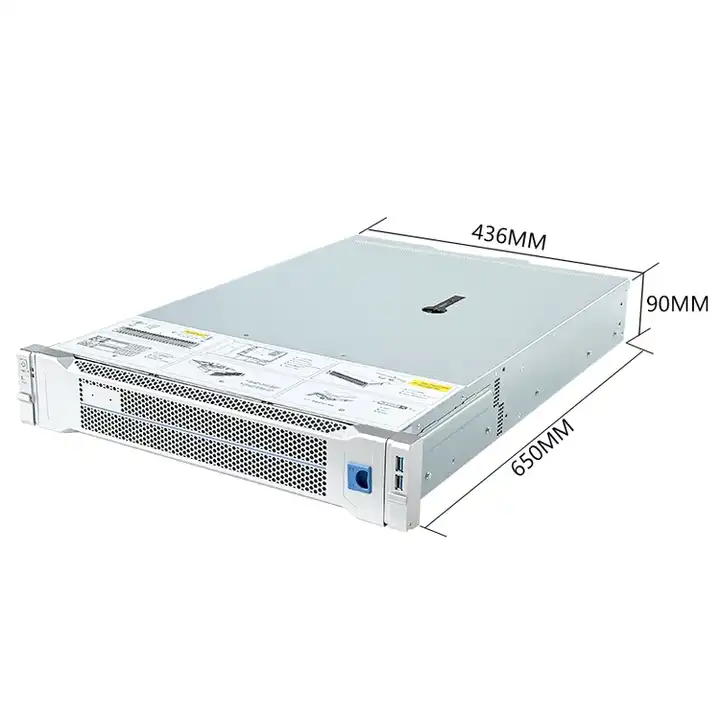
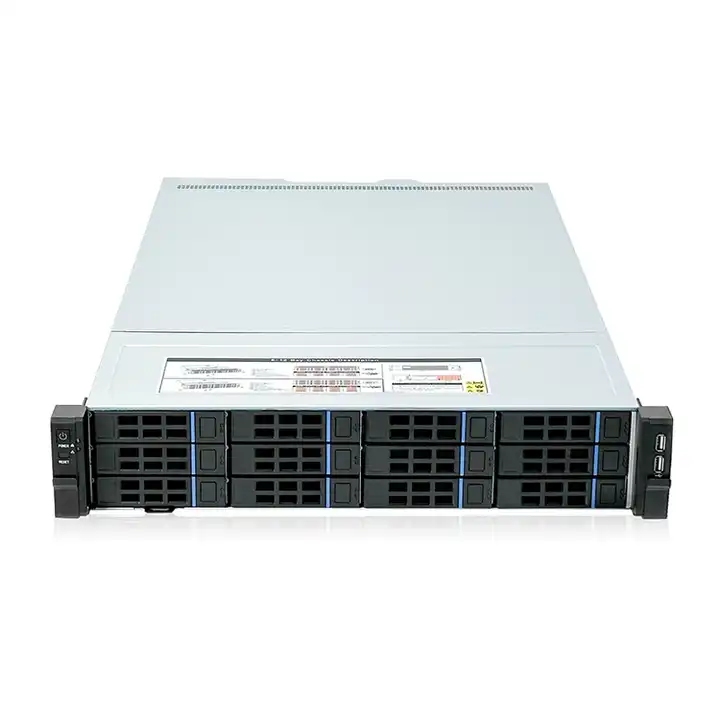
2U Rackmount Storage Chassis 2U 650×437.5×88 SGCC, 1.0 mm 8×3.5″ + 3×2.5″ ≤12″×13″ 2U PSU / CRPS 3×80 mm ball-bearings 7 half-height PCIe Yes
2U 12-Bay Storage Chassis 2U 650×437.5×88 SGCC, 1.0 mm 12×3.5″ + 3×2.5″ ≤12″×13″ 2U PSU / CRPS 3×80 mm ball-bearings 7 half-height PCIe Yes
2U 12-Bay Steel Rackmount Server Chassis 2U 650×436×90 SECC/Plastic, 1.0 mm 12×3.5″/2.5″ hot-swap E-ATX/CEB/ATX/μATX Redundant or 2U PSU 3×80 mm hot-swap 7 half-height PCIe Yes
2U 12-Bay Server Chassis 2U 650×436×90 SECC/Alloy/Plastic, 1.0 mm 8×3.5″/2.5″ hot-swap E-ATX/CEB/ATX/μATX Redundant or 2U PSU 3×80 mm hot-swap 7 half-height PCIe Yes
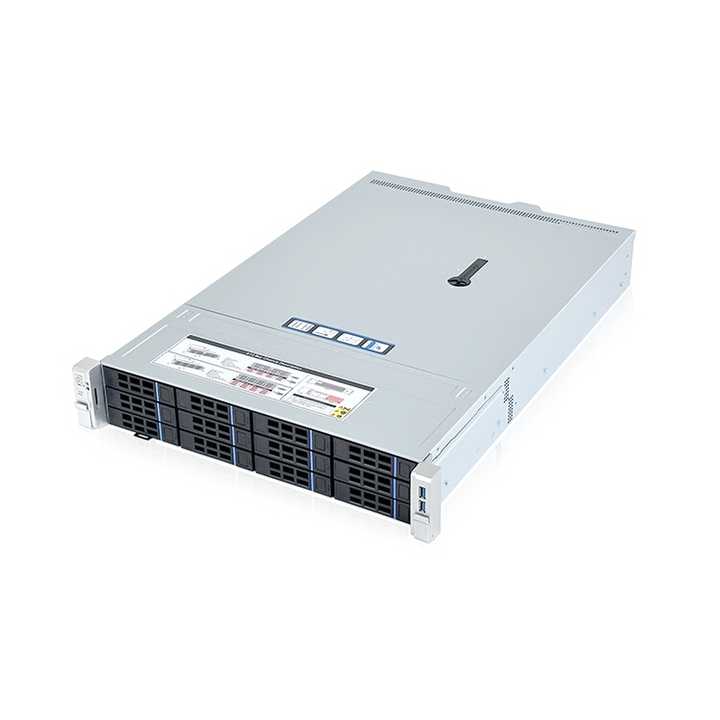
2U 12-Bay Server Chassis 2U 650×436×90 SECC/Alloy/Plastic, 1.0 mm 12×3.5″/2.5″ hot-swap E-ATX/CEB/ATX/μATX Redundant or 2U PSU 3×80 mm hot-swap 7 half-height PCIe Yes
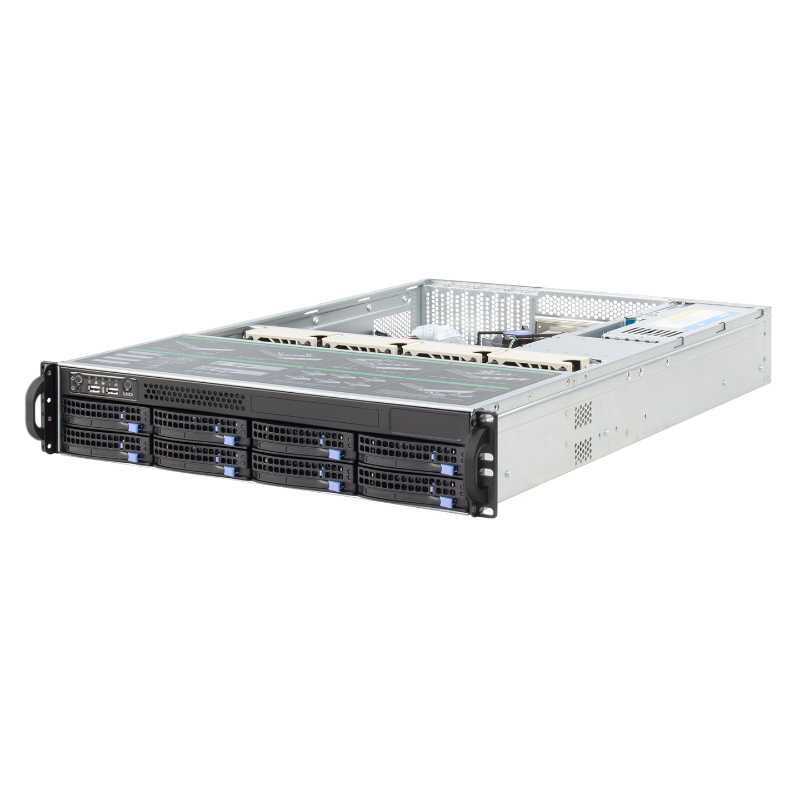
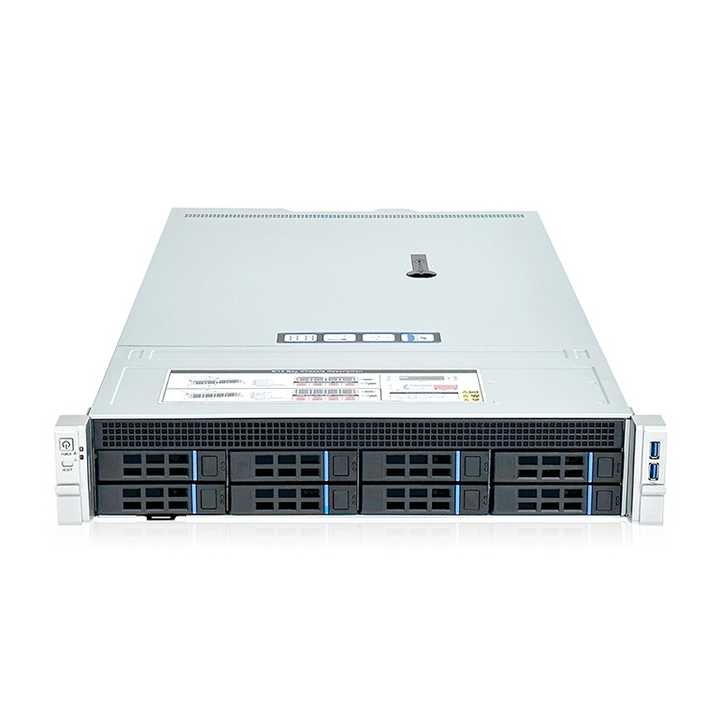
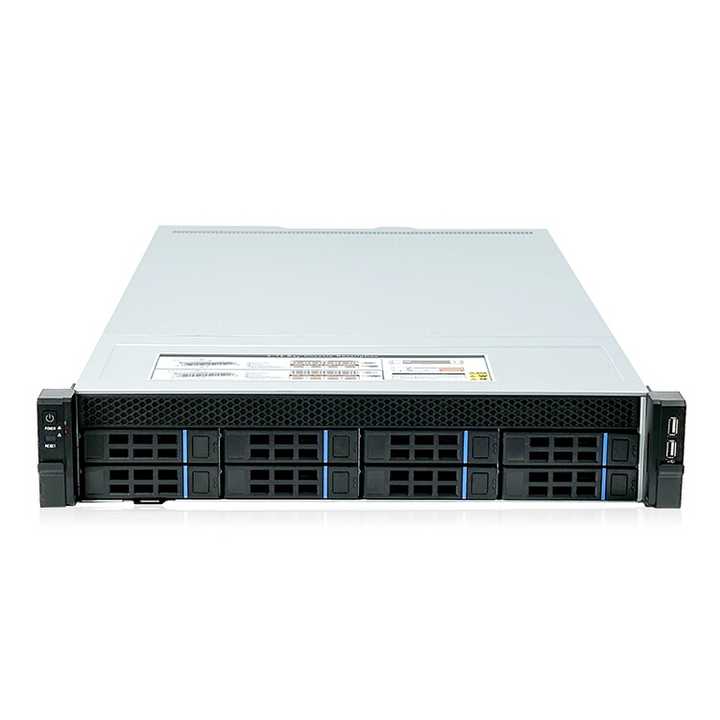
2U Server Chassis 2U 650×436×90 SECC/Plastic, 1.0 mm 8×3.5″/2.5″ hot-swap E-ATX/CEB/ATX/μATX Redundant or 2U PSU 3×80 mm hot-swap 7 half-height PCIe Yes
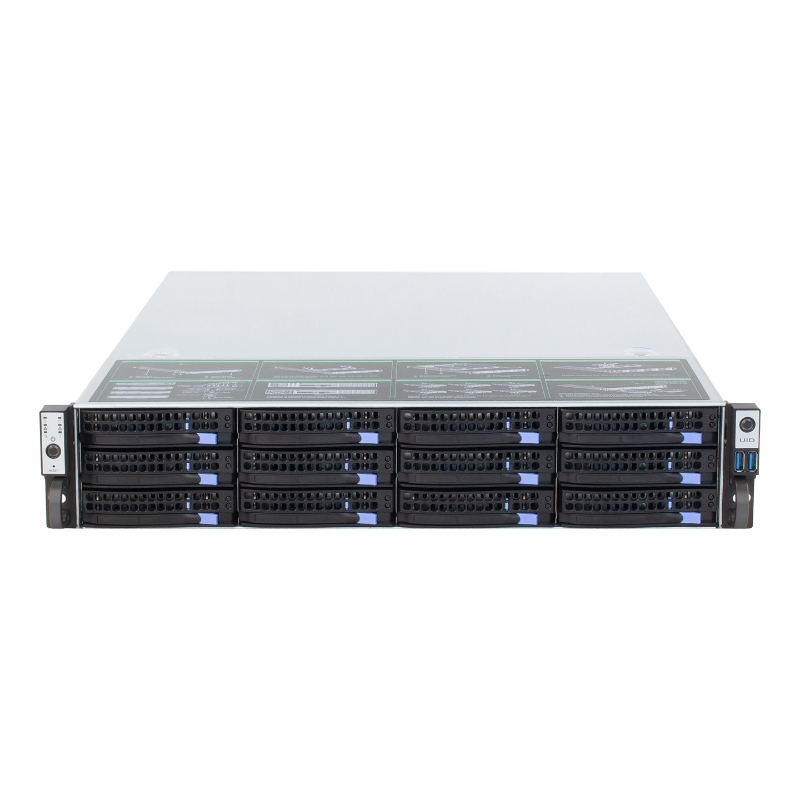
2U Rackmount Server Chassis 2U 650×436×90 SECC/Plastic, 1.0 mm 12×3.5″/2.5″ hot-swap E-ATX/CEB/ATX/μATX Redundant or 2U PSU 3×80 mm hot-swap 7 half-height PCIe Yes
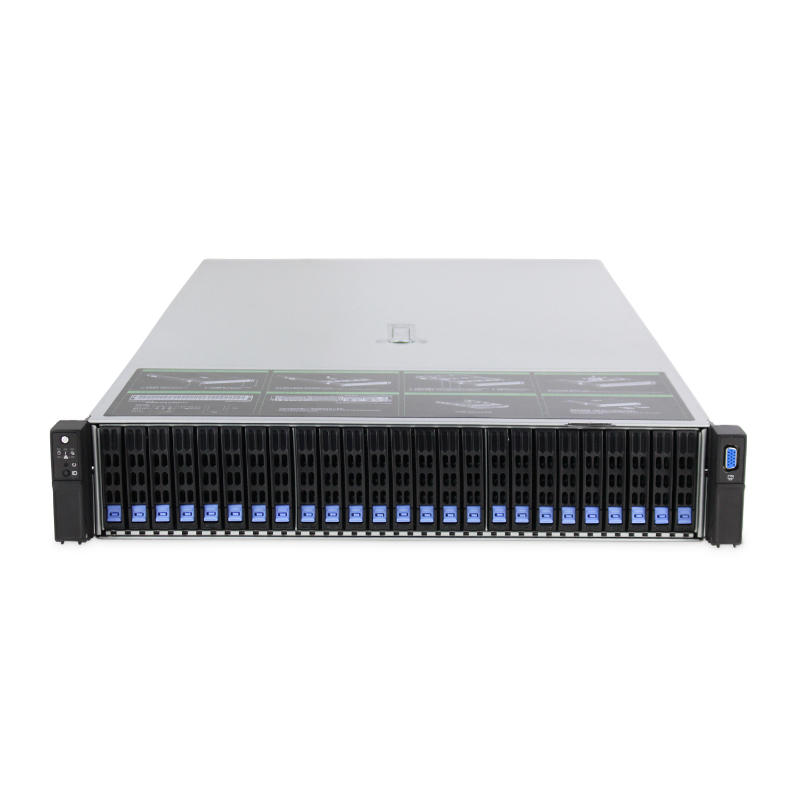
25-Bay OEM Rackmount Server Chassis 2U 650×437.5×88 SGCC, 1.0 mm 25×2.5″ ≤12″×13″ 2U/CRPS 3×80 mm hot-swap 7 half-height PCIe Yes
U-Server-Case-Model-ISC-SC278S-H25-T-25-Front-HDDs-4-Cooling-Fans 2U 780×437.5×88 SGCC, 1.0 mm 25×2.5″ Custom CRPS 4×80 mm hot-swap 2 full-height + 1 half Yes
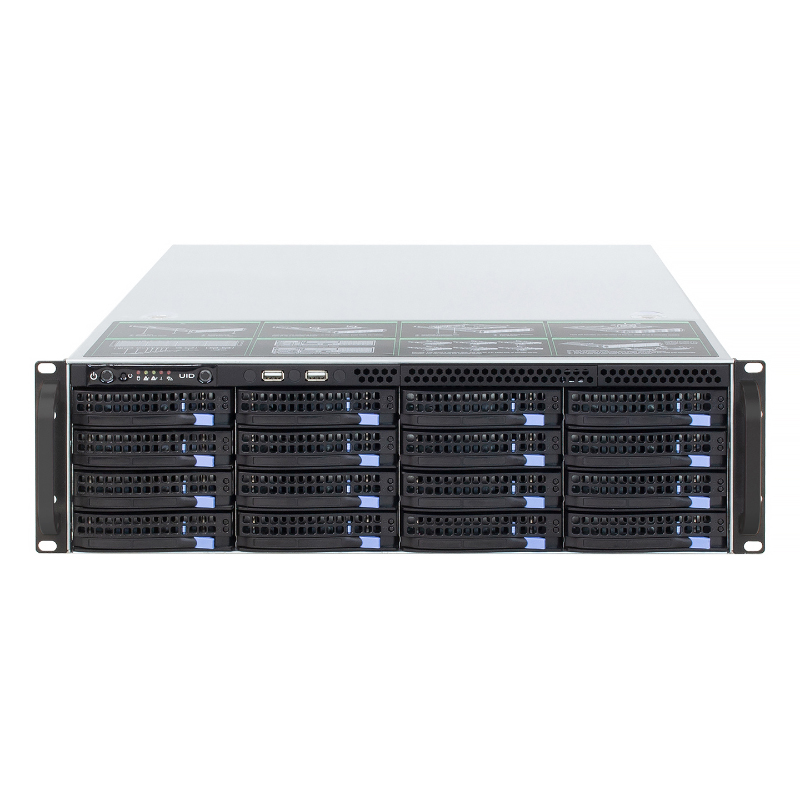
3U 16-Bay Server Chassis 3U 650×437.5×132 SGCC, 1.0 mm 16×3.5″ + 3×2.5″ ≤12″×13″ 2U PSU / CRPS 3×120 mm hot-swap 7 full-height PCIe Yes
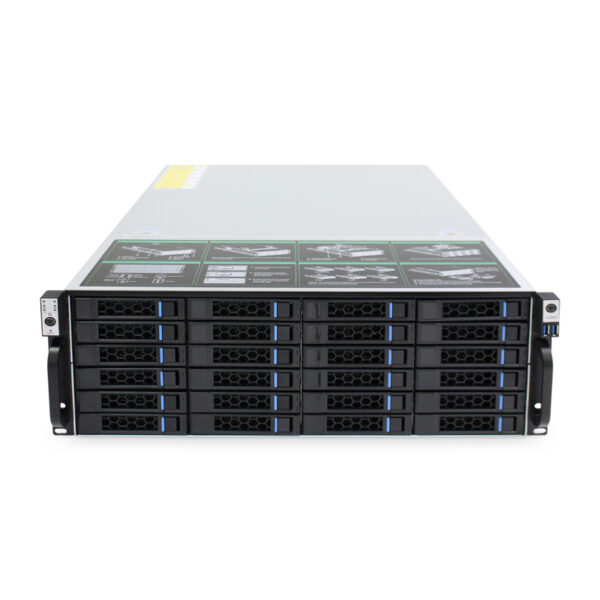
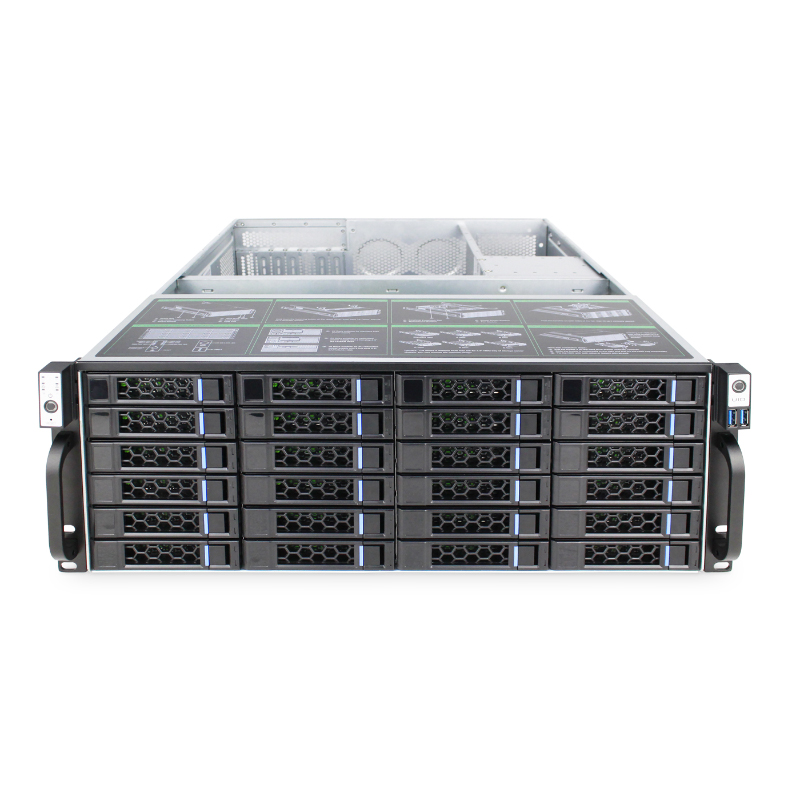
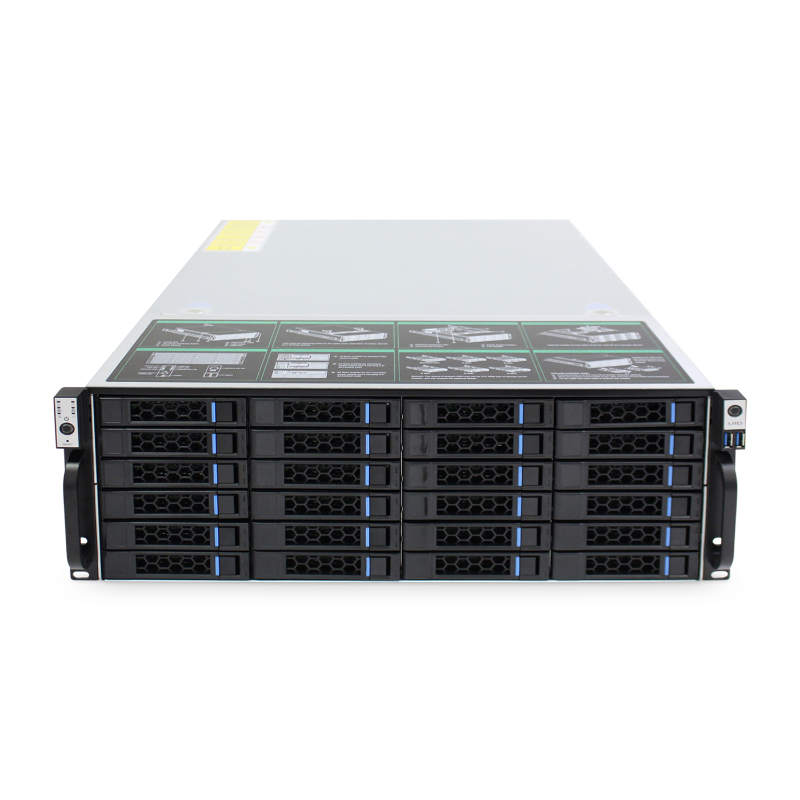
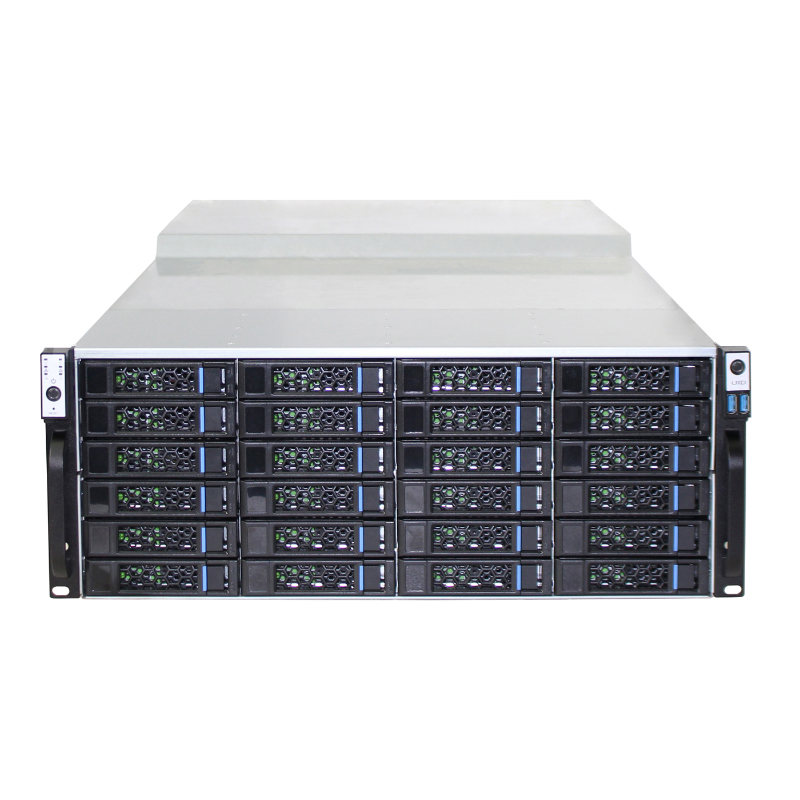
4U 24-Bay Rackmount Chassis 4U 560×437.5×176 SGCC, 1.0 mm 24×3.5″ + 3×2.5″ Standard ATX/CRPS 3×120 mm hot-swap 7 full-height PCIe Yes
4U 24-Bay Rackmount Storage Chassis 4U 560×437.5×176 SGCC, 1.0 mm 24×3.5″ + 3×2.5″ Standard ATX/CRPS 2×120 mm 7 full-height PCIe Yes
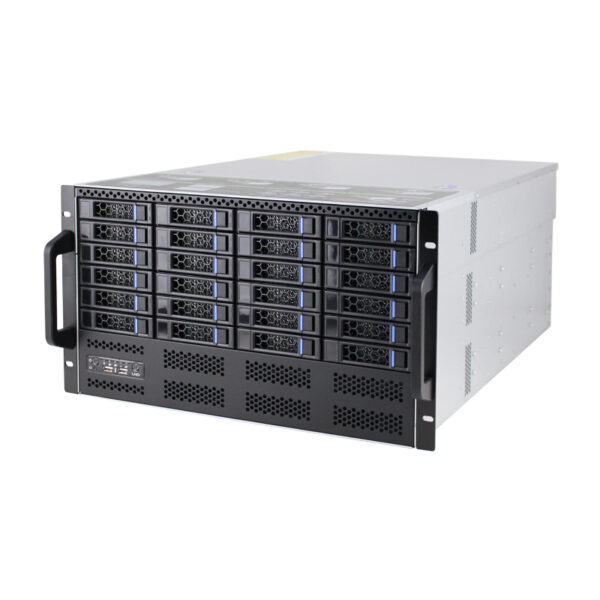
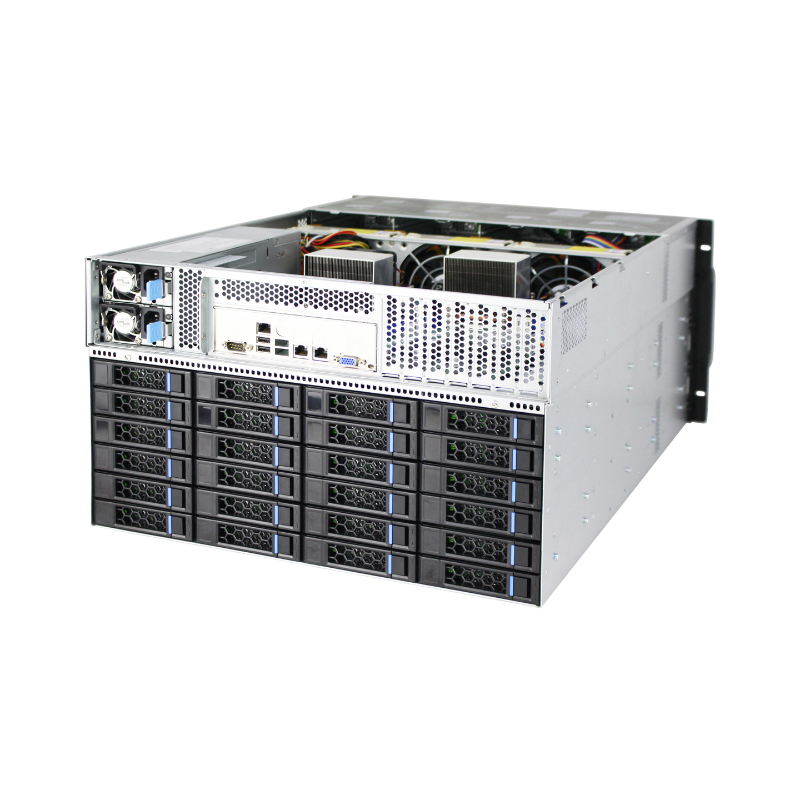
36-Bay Rackmount Storage Chassis 4U 650×437.5×177 SGCC, 1.0 mm 24 front + 12 rear 3.5″ Expander backplane 2U PSU/CRPS 3×120 mm ball-bearing 7 half-height PCIe Yes
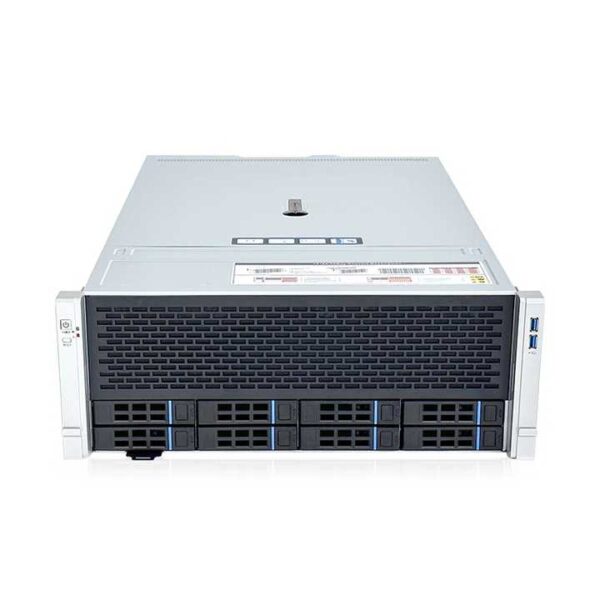
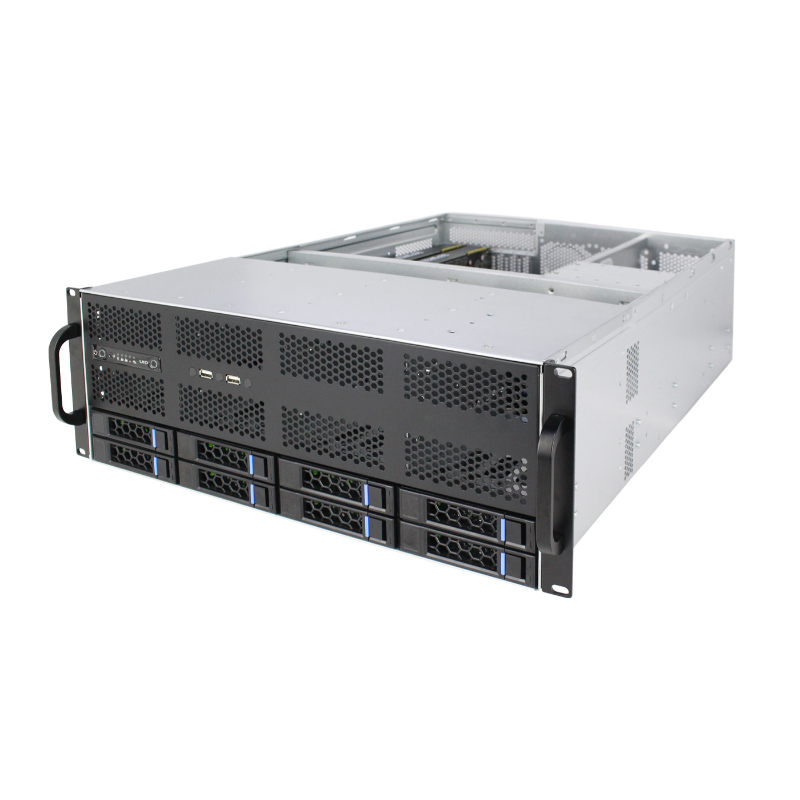
4U 8-Bay Rackmount Server Chassis 4U 650×437.5×177 SGCC, 1.0 mm 8×3.5″/2.5″ Direct/SFF8087 2U PSU/CRPS 3×120 mm hot-swap 7 full-height PCIe Yes
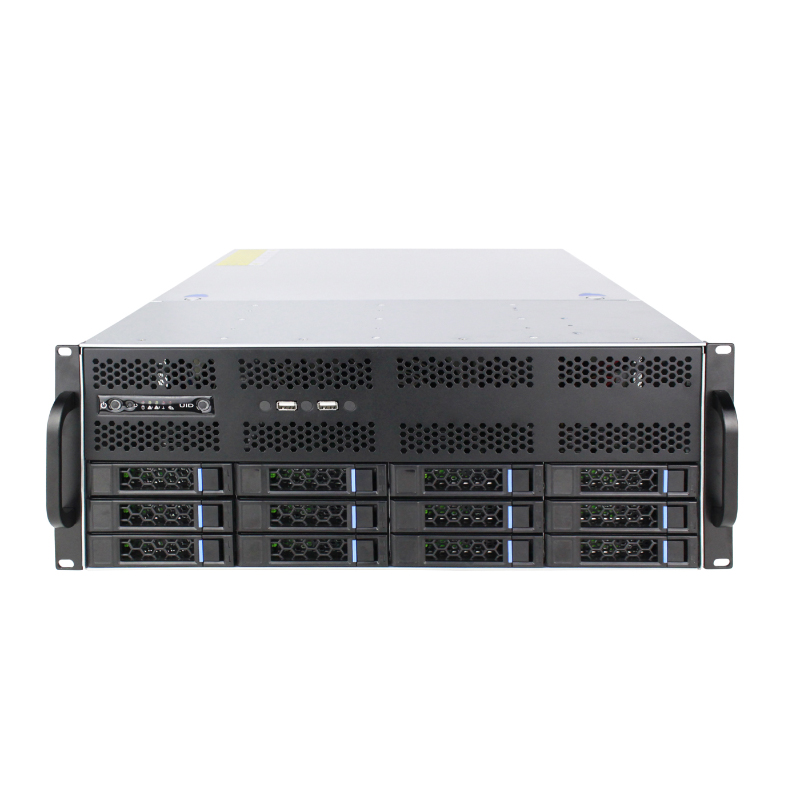
12-Bay Rackmount Server Chassis 4U 650×437.5×177 SGCC, 1.0 mm 12×3.5″/2.5″ Direct/SFF8087 2U PSU/CRPS 3×120 mm hot-swap 7 full-height PCIe Yes
4U 8-Bay Server Chassis 4U 650×436×177 SECC/Alloy/Plastic, 1.0 mm 8×3.5″/2.5″ 12 Gb/s SAS Redundant/ATX 3×120 mm + 2×80 mm 11 full-height PCIe Yes
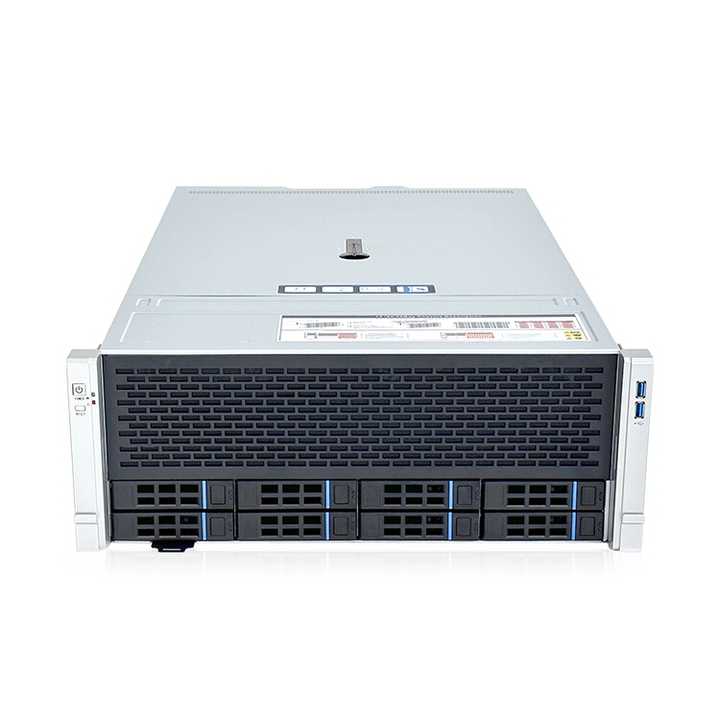
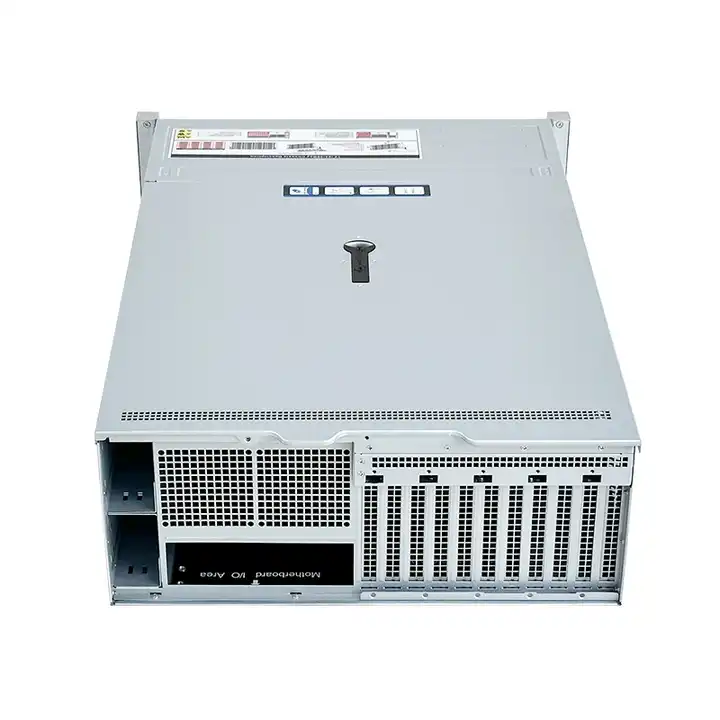
4U GPU Server Chassis 4U 650×436×177 SECC/Alloy/Plastic, 1.0 mm 8×3.5″/2.5″ U.2 2×NVMe direct backplanes Redundant/ATX 3×120 mm + 2×80 mm 11 full-height PCIe Yes
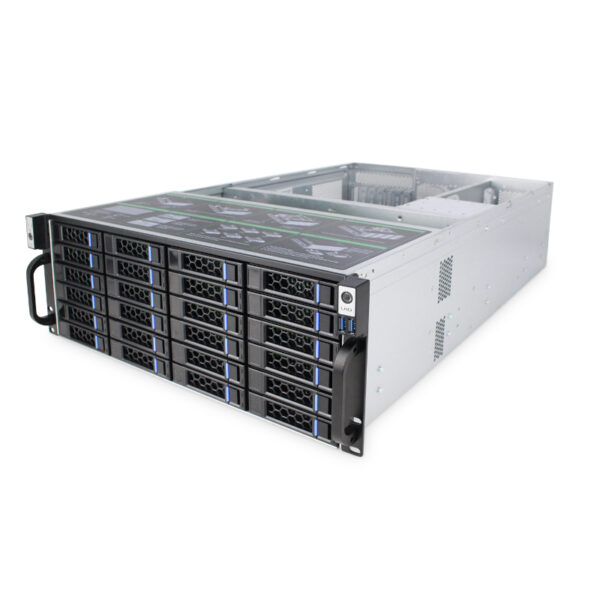
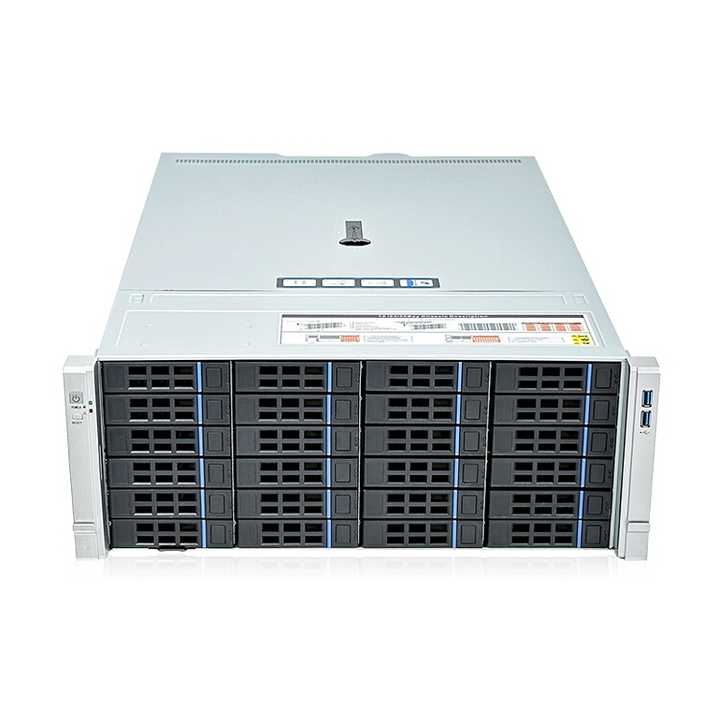
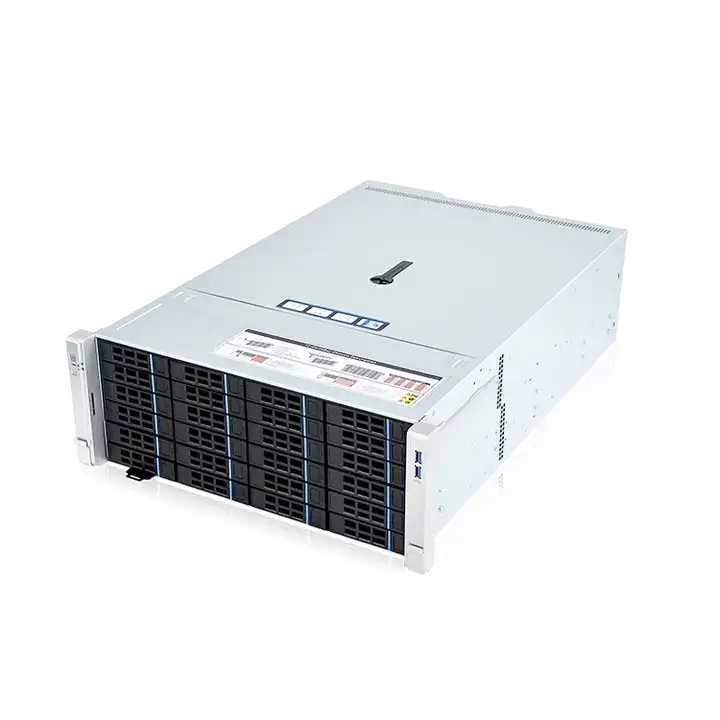
4U 24-Bay Server Chassis 4U 650×436×177 SECC/Alloy/Plastic, 1.0 mm 24×3.5″/2.5″ 6 Gb/s SAS Redundant/ATX 3×120 mm hot-swap 7 full-height PCIe Yes
4U 24-Bay Storage Server Chassis 4U 650×436×177 SECC/Alloy/Plastic, 1.0 mm 24×3.5″/2.5″ (expander) 12 Gb/s expander backplane Redundant/ATX 3×120 mm hot-swap 7 full-height PCIe Yes
4U 24-Bay GPU Server Chassis 4U 850×437.5×176.5 SGCC, 1.0 mm 24×2.5″ Direct/SFF8643 CRPS 6×120 mm ball-bearing 16 full-height PCIe Yes
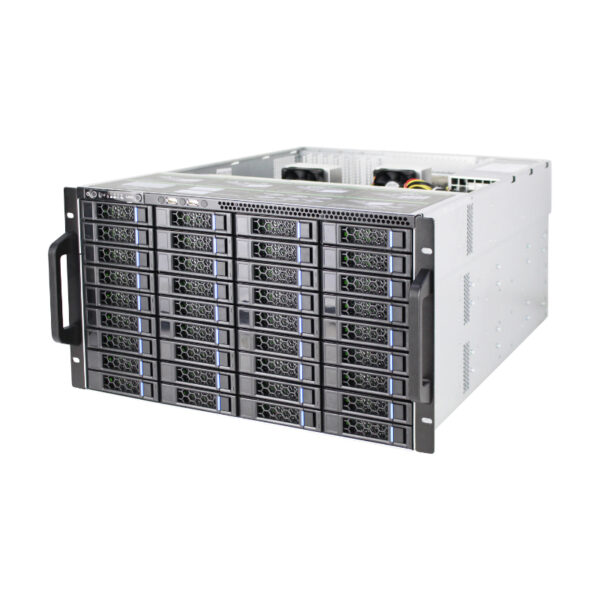
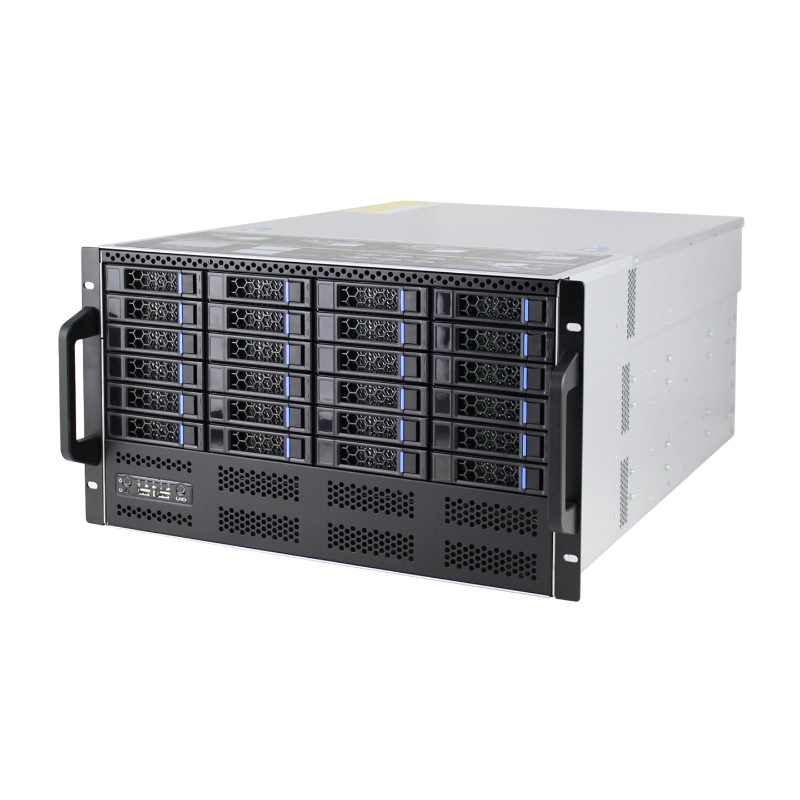
60-Bay Rackmount Storage Chassis 6U 650×437.5×265 SGCC, 1.0 mm 60×3.5″ + 2×2.5″ Expander backplane CRPS 6×120 mm hot-swap 7 half-height PCIe Yes
Storage Server Chassis 6U 650×437.5×265 SGCC, 1.0 mm 48×3.5″ + 2×2.5″ Expander backplane ATX/Redundant 6×120 mm hot-swap 7 half-height PCIe Yes

Why is a 4U chassis usually the strongest general-purpose choice?

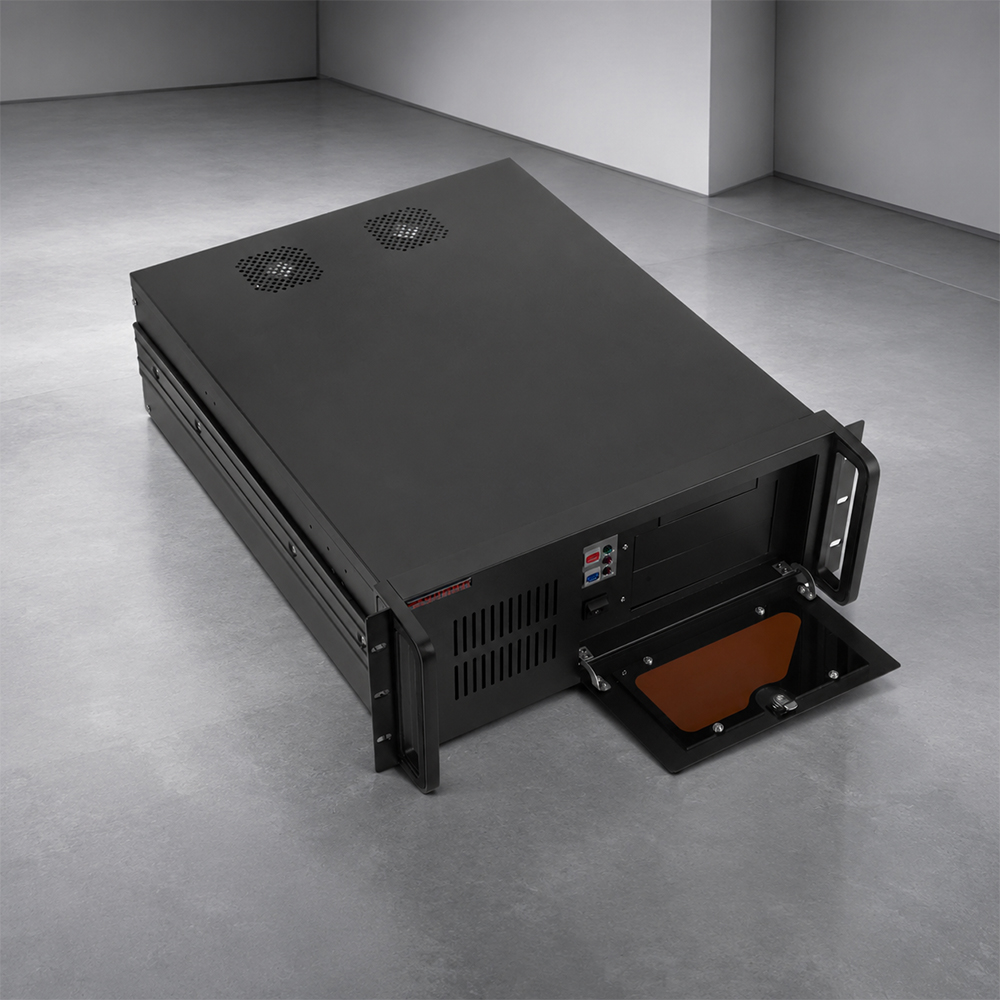
A 4U chassis is usually the most flexible all-purpose option because it can accommodate standard-height cards, larger CPU coolers, broad board support, and larger fans. A 4U rackmount design is often easier to configure with full-height GPUs, ATX or E-ATX boards, an ATX PSU, and quieter 120mm cooling than a low-profile enclosure.

Examples include the SilverStone RM42/RM47, Chenbro RM42300-F, and Rosewill RSV-L4000U; these are reference points, not universal recommendations. SilverStone lists broad expansion support for its RM42/RM47 families, while Advantech offers E-ATX/ATX/Micro-ATX configurations with hot-swap trays, depending on model.

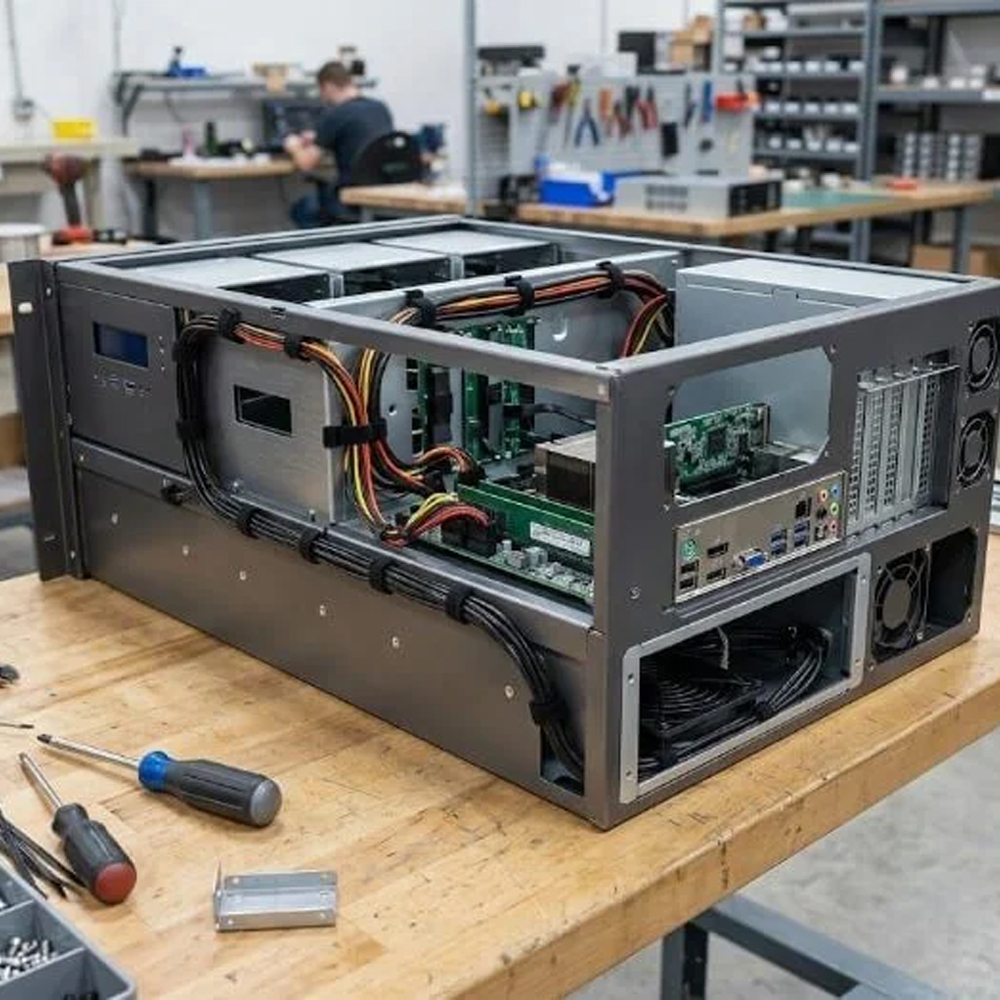
An e-atx compatible, atx compatible, micro-atx compatible, or ceb compatible enclosure can simplify integration, but standoff positions, cable exits, card length, and fan-wall clearance still require verification.

When is a 2U rackmount chassis the better option?

What roles do 1U, 3U, tower server, and mini-tower formats play?

A 2U rackmount chassis is appropriate when rack density matters more than maximum component freedom. A compact 2U server can support an ATX board, four hot swap SAS or SATA trays, or a storage-focused layout with more drive bays, depending on the model.

The tradeoff is tighter geometry. Buyers must validate card height, riser orientation, 4 PCIe slots, CPU cooling height, PSU format, and airflow through 80mm fans or a high-static-pressure PWM fan wall. A 400W supply may fit physically yet be unsuitable for the planned accelerator load.

A 1U enclosure prioritizes density and generally suits low-profile cards, specialized risers, and tightly engineered cooling. A 3U rackmount chassis provides more card height than 2U, but less universal component freedom than 4U.

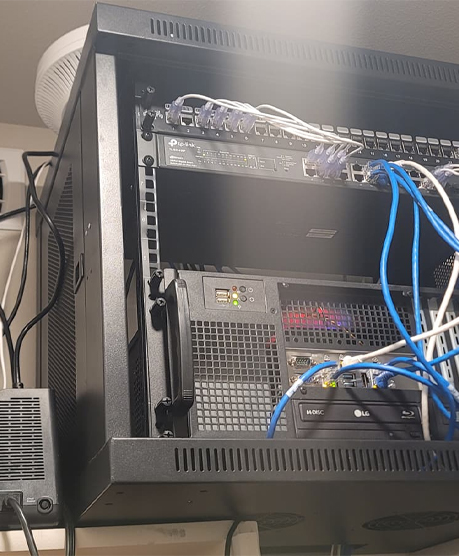
A tower server or mini-tower can suit laboratories, offices, and development teams without a full rack. A workstation enclosure may support local testing, while an industrial computer case can serve edge deployments. Related Rosewill references—including RSV-L4500U, RSV-Z3100U, RSV-Z3200U, and RSV-H208—should be evaluated by exact model rather than assumed interchangeable.

Where are GPU server cases commonly deployed?

These systems are used wherever parallel processing, dense I/O, or centralized compute is valuable. Typical workloads include:

Server Chassis FAQ and Configuration Support​

What is a GPU server case used for?

A GPU server case houses high-performance components for AI, machine learning, rendering, simulation, HPC, and other accelerated computing applications.

A 4U chassis offers greater flexibility for full-height GPUs and cooling, while a 2U chassis is better when rack space is limited.

Provide the GPU model, quantity, dimensions, slot width, power requirements, and motherboard specifications for a compatibility review.

Yes. OEM and ODM options can be discussed for chassis dimensions, drive bays, cooling, front-panel design, backplanes, and other project requirements.

Please provide the chassis quantity, motherboard form factor, GPU configuration, storage needs, rack depth, power supply, cooling requirements, and deployment environment.
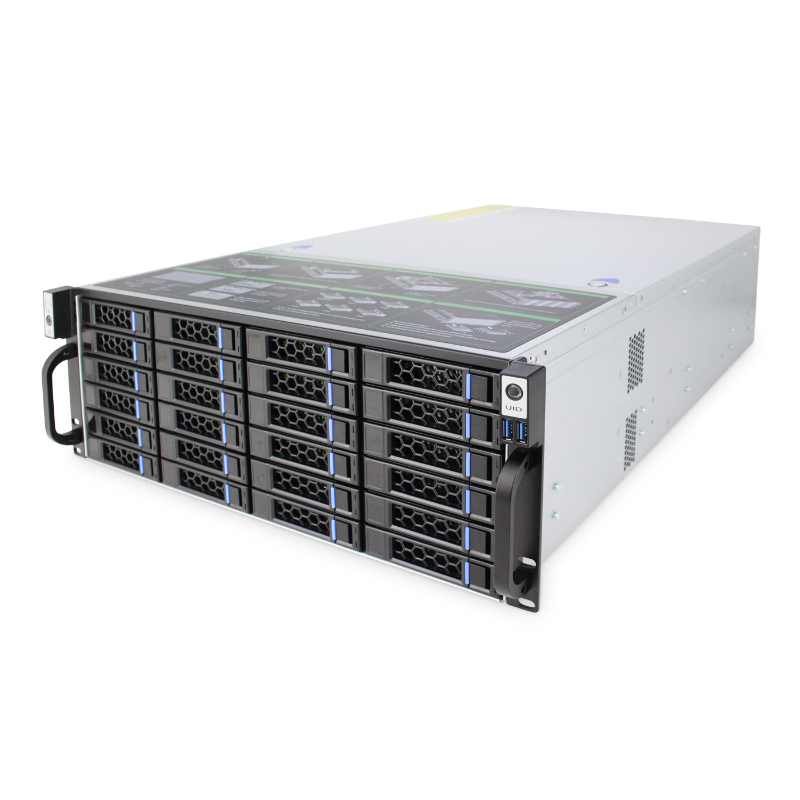
Build the Right GPU Server Chassis for Your Workload

Share your AI training, inference, or HPC workload, along with the GPU model and quantity, motherboard form factor, storage, networking, rack depth, power supply, and cooling requirements. iSTONECASE will review component clearance, airflow, expansion capacity, and service access to recommend a suitable standard chassis or discuss an OEM/ODM configuration.