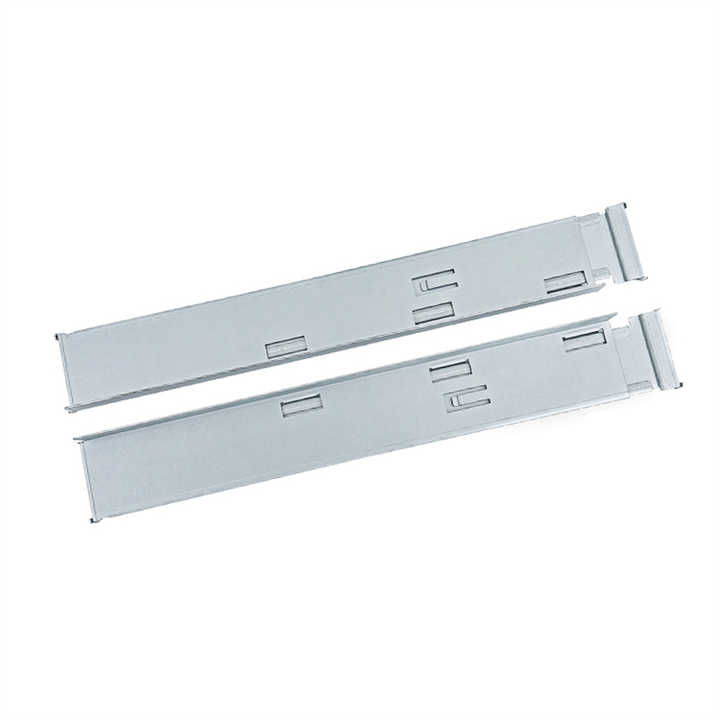
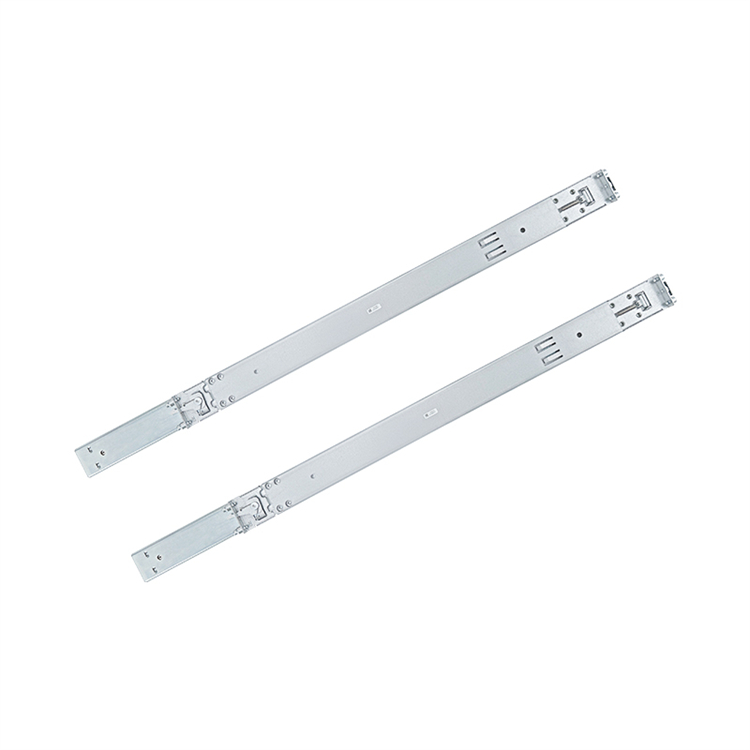
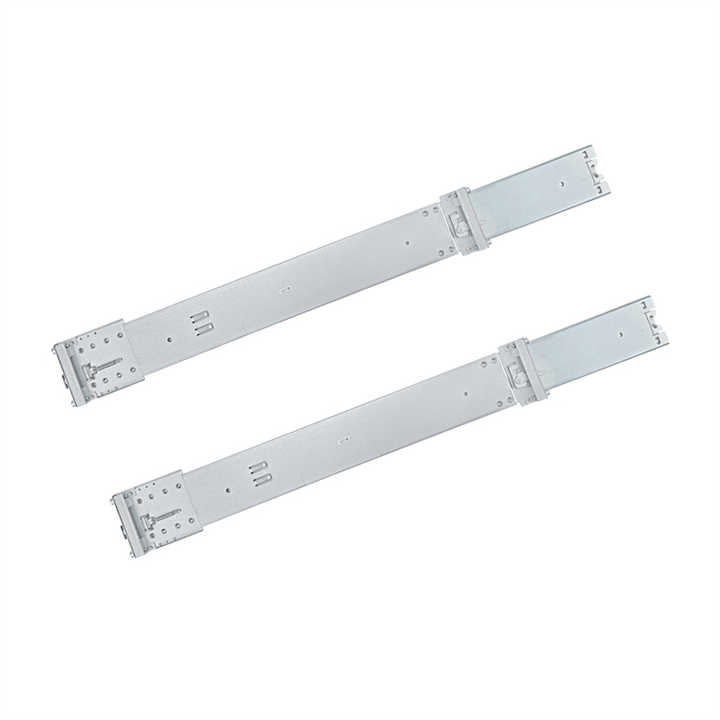
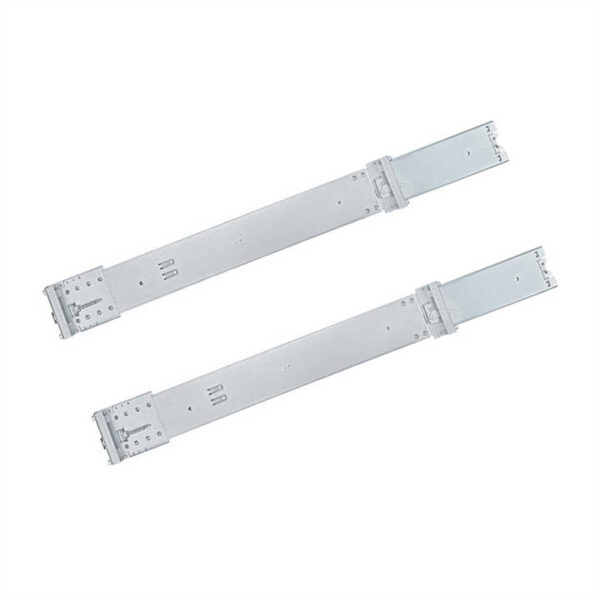
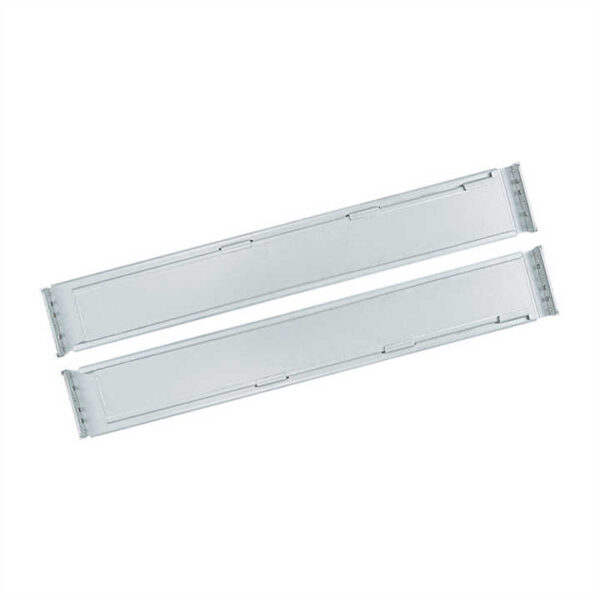
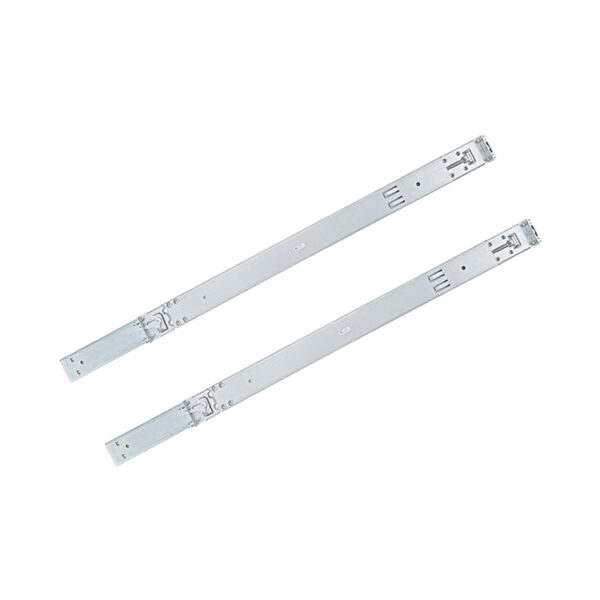
Guide Rail for Standard Rack-Mounted Equipment

A chassis guide rail is a supporting and sliding accessory that aligns compatible rack-mounted equipment during insertion, removal, or service access. Engineers, system integrators, equipment manufacturers, security installers, and procurement teams may need it when an electronic enclosure requires controlled support inside an equipment rack.

What Is This Rack Support Product?

This component provides a defined path along the sides of compatible rack-mounted electronics. It supports an enclosure while the unit is positioned during installation, removal, inspection, or maintenance, reducing the need to hold the full weight in alignment by hand.

Unlike a fixed shelf, a paired side-support system is normally matched to a particular enclosure and rack arrangement. The exact travel method, fixing pattern, and included hardware vary by configuration, so model-specific drawings and equipment documentation should control the final decision.

Tableau de comparaison des paramètres clés du rail de guidage vertical du châssis

Compare key chassis guide rail parameters in one clear table, including rail length, adjustable range, rack depth, mounting configuration, extension type, load requirements, and compatible chassis models. Use the comparison to shortlist a suitable option, then confirm the exact chassis and rack fit before ordering.

Image du produit Model Product Link Châssis compatible Dimensions (L×L×H mm) Charge maximale Profondeur de l'armoire
4U L-Shaped Rackmount Guide Rail 1U 2U 3U 4U Rackmount Server Chassis Rail de guidage en L Châssis de serveur 1U-4U 620×93×47 100 kg 800-1200 mm
600-0040 Châssis de serveur sans outil Rail de guidage pour châssis de serveur 1U 2U 600-0040 1U & 2U server chassis 743×-×43.5 38 kg 800-1000 mm
Kit de rails pour châssis de serveur Rail de guidage pour châssis de serveur 4U 800-1200 Châssis de serveur 4U 785×-×76.2 70 kg 800-1200 mm

What Benefits Does the Accessory Provide?

Correctly matched supports can make equipment handling more convenient by keeping the enclosure aligned with the rack opening. They can also enable efficient maintenance access, help protect adjacent equipment from unnecessary contact, and reduce unwanted side-to-side movement while a unit is being positioned.

The practical value is controlled support rather than universal compatibility or unlimited load. Durability depends on the confirmed material, construction, operating environment, and whether the equipment weight remains within the stated Load Capacity.

Which Design and Product Features Matter?

Where Is a Guide Rail Used?

Begin with the dimensional drawing and mounting configuration. Important fields include Rail Length, usable rack depth, enclosure height such as 3U or 4U where applicable, front and rear fixing locations, hole pattern, available travel, extension type, and clearance around cables or handles.

Also confirm [Material], surface finish, Load Capacity, left-and-right orientation, included fasteners, and whether the design is fixed, partial-extension, or another verified format. A product drawing should identify all critical measurements instead of relying on a broad description.

Likely applications include rack-mounted electronics, NVR recording equipment, server enclosures, industrial control equipment, test systems, plug-in units, and compatible subrack assemblies. A particular item may suit only Compatible Models , even when two units share the same rack height or appear visually similar.

This equipment-rack component is not an automotive frame member or vehicle structural part. It is intended for electronic enclosures, and fit must be checked for the exact equipment and rack combination. Manufacturer compatibility resources commonly compare rack flange type, depth, support format, and adjustment range.

How Should Installation Be Planned?

Typical setup begins by identifying the left and right components, locating the correct rack-unit position, and aligning the fixing points at equal heights. The installer then secures both sides according to the equipment manufacturer’s instructions and checks that the supports are parallel before inserting the enclosure.

Never force a unit that binds, tilts, or sits unevenly. Verify dimensions, fastener engagement, cable clearance, and movement through the required access range before the equipment is placed into operation.

Wall Mount Chassis FAQ and Configuration Support

What does a chassis guide rail do?

A chassis guide rail supports and aligns compatible rack-mounted equipment during insertion, removal, and maintenance access.

No. Compatibility depends on the equipment model, chassis dimensions, rack depth, mounting format, and rail adjustment range. Manufacturers commonly provide model-specific compatibility information.

Yes, provided the rail dimensions, fixing points, and load requirements match the specific NVR, server chassis, or industrial enclosure.

Install the left and right rails at the same rack-unit height, keep them parallel, and follow the equipment manufacturer’s instructions before sliding in the chassis.


Provide the equipment model, chassis size, rack depth, mounting points, expected load, required rail length, order quantity, and service-access requirements.

Ready to find the right chassis guide rail?

Share your equipment model, chassis dimensions, rack depth, mounting points, expected load, and service-access requirements. We’ll review the details and recommend a suitable rail configuration for your application.