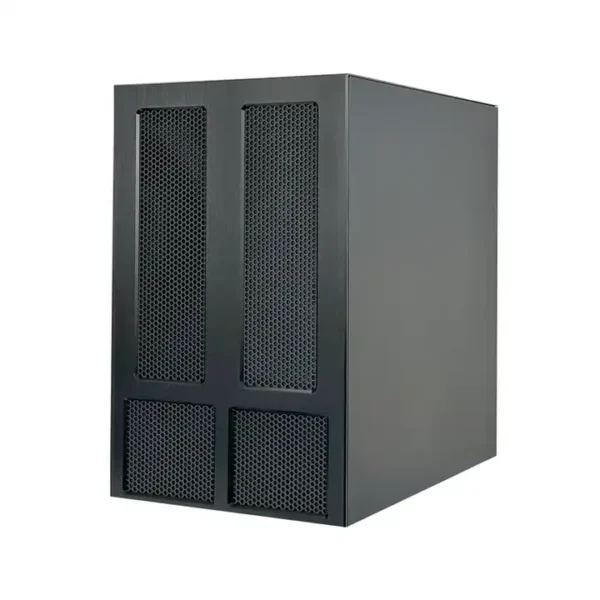
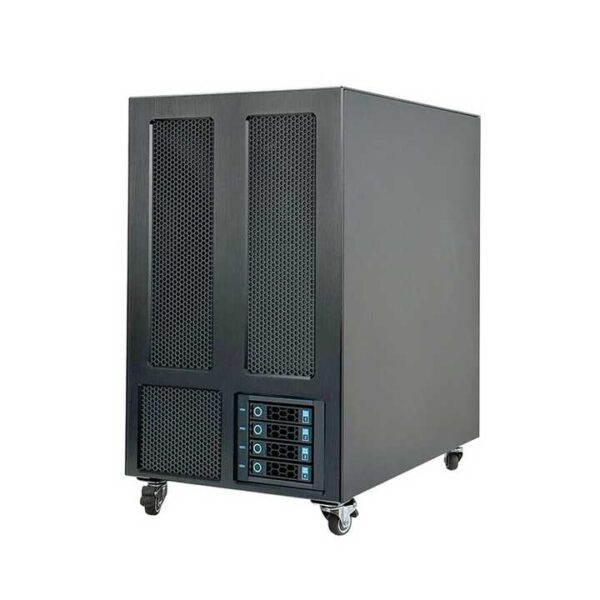
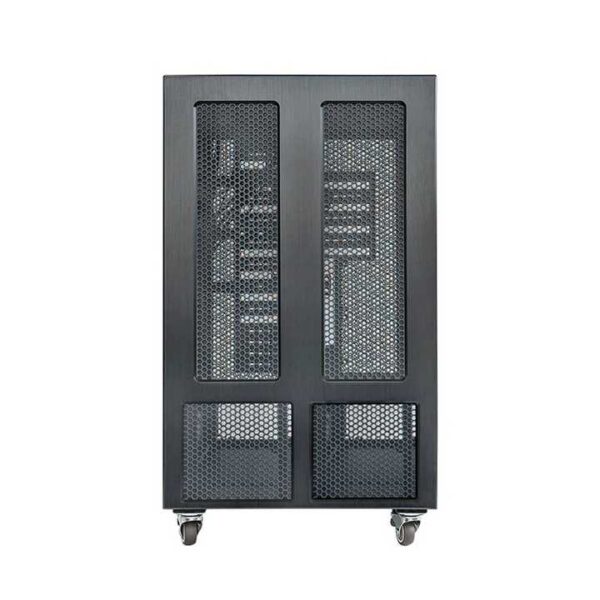
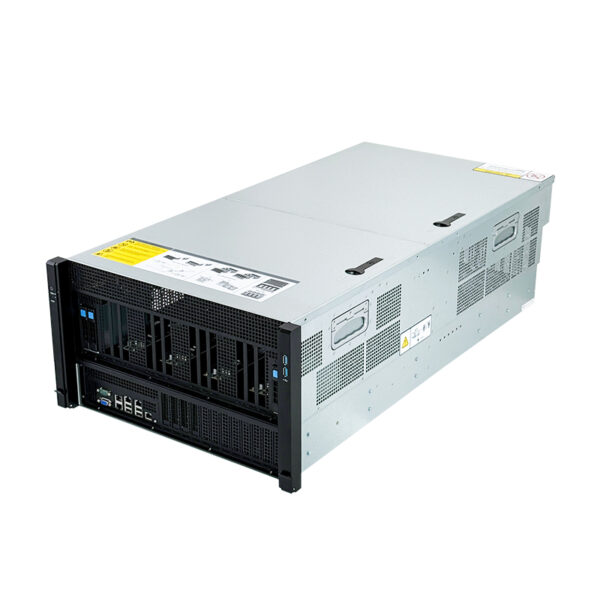
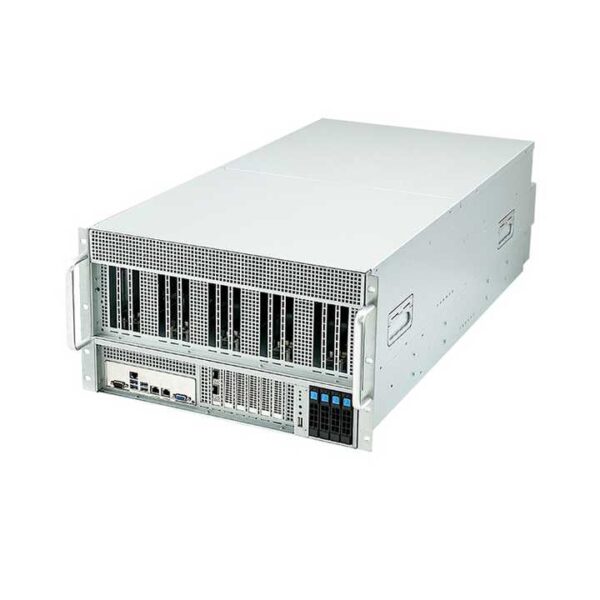
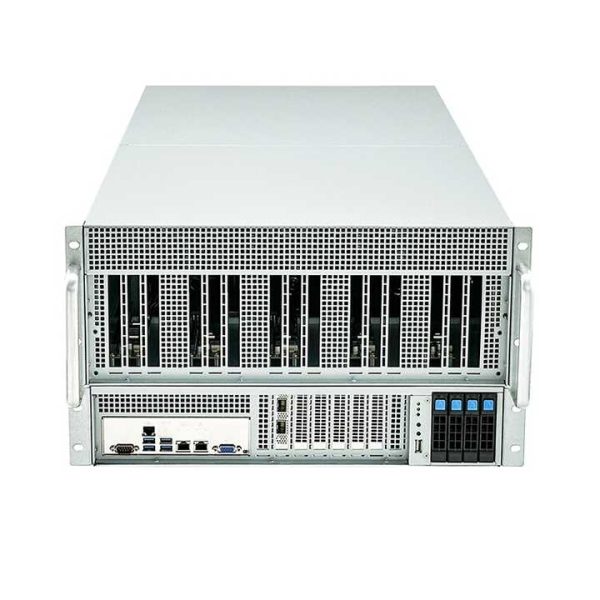
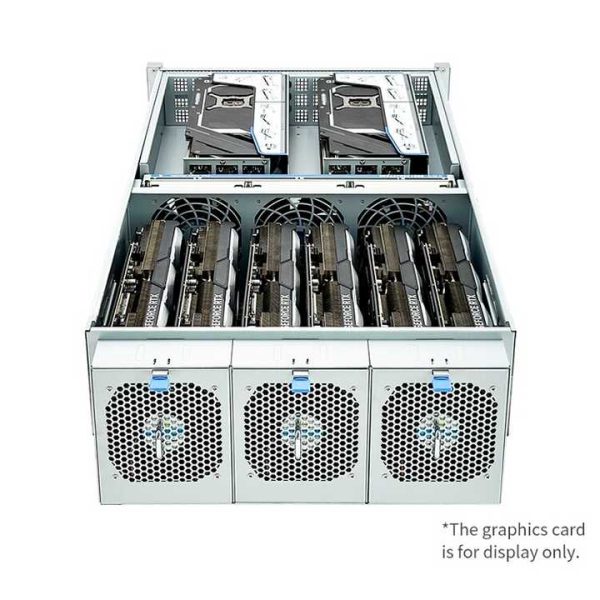
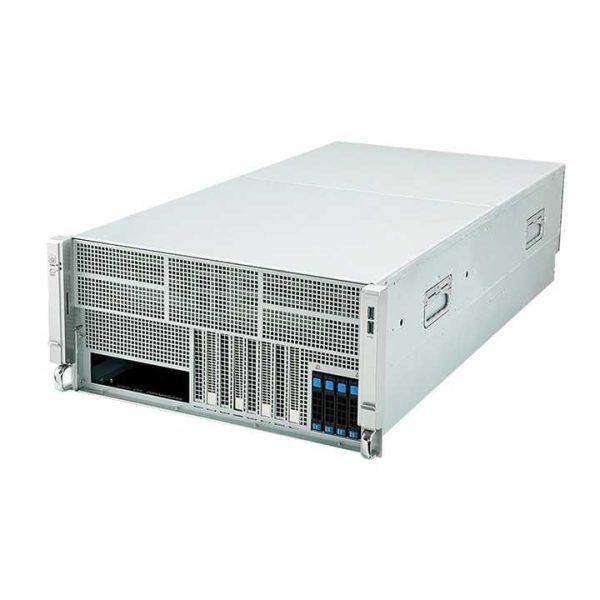
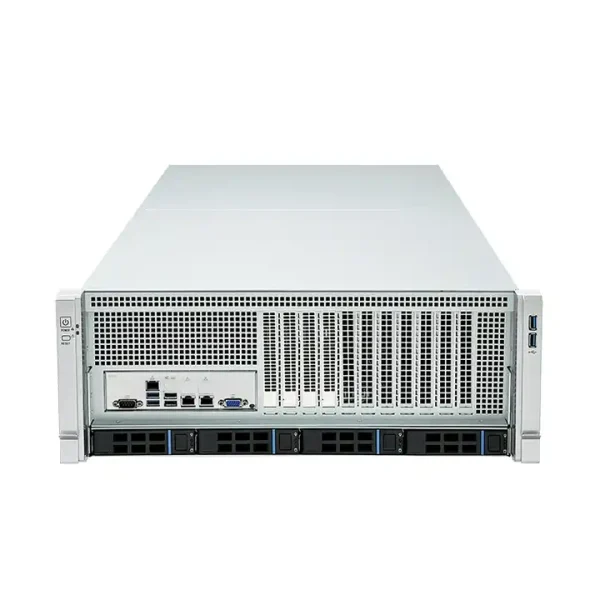
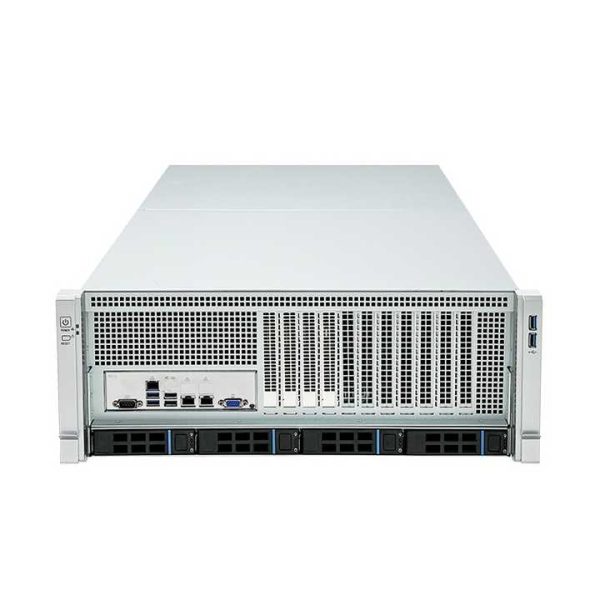
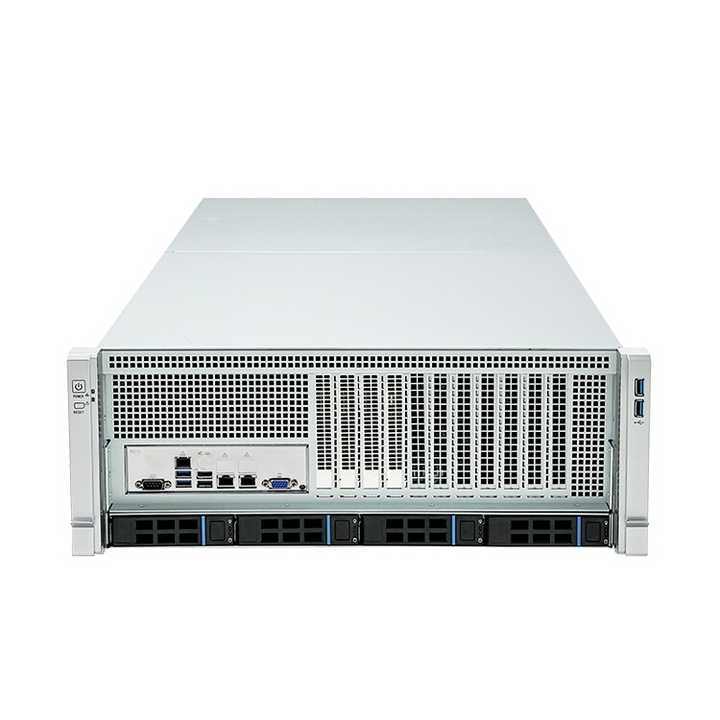
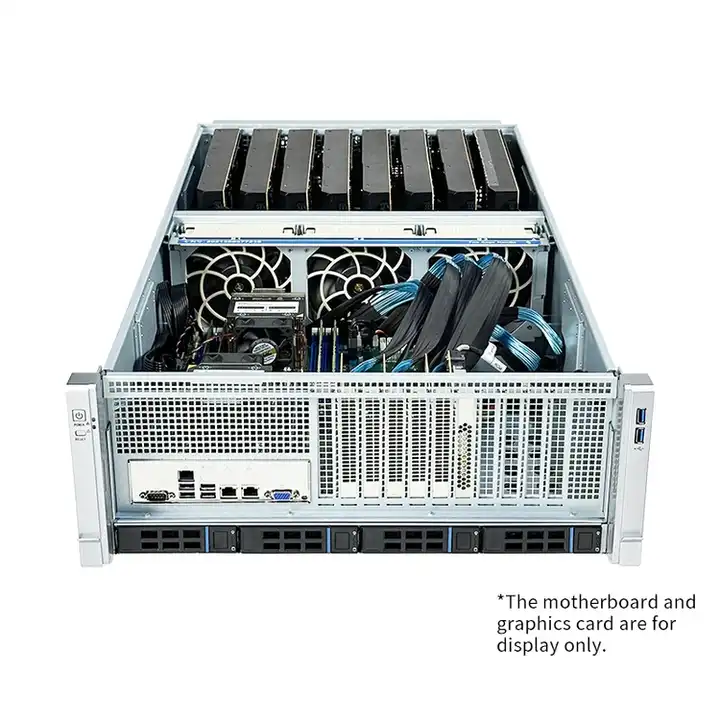
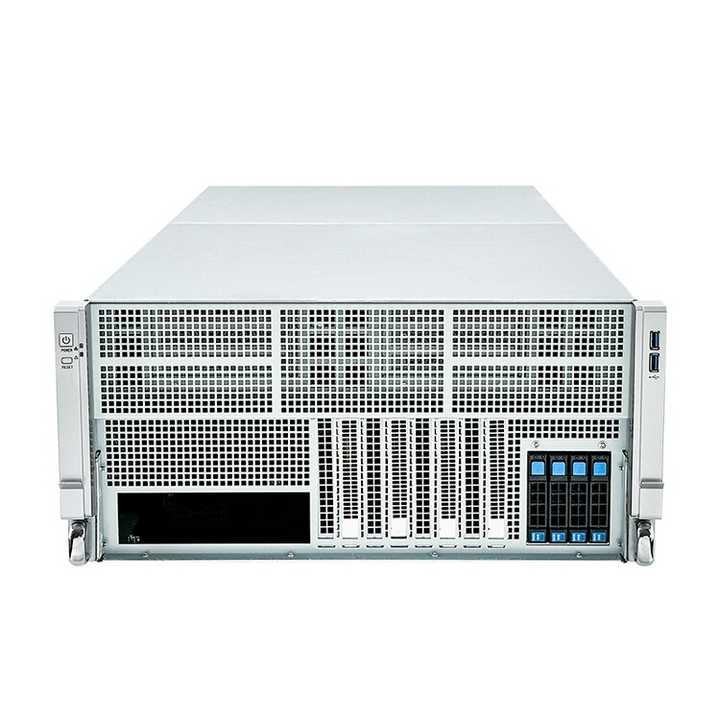
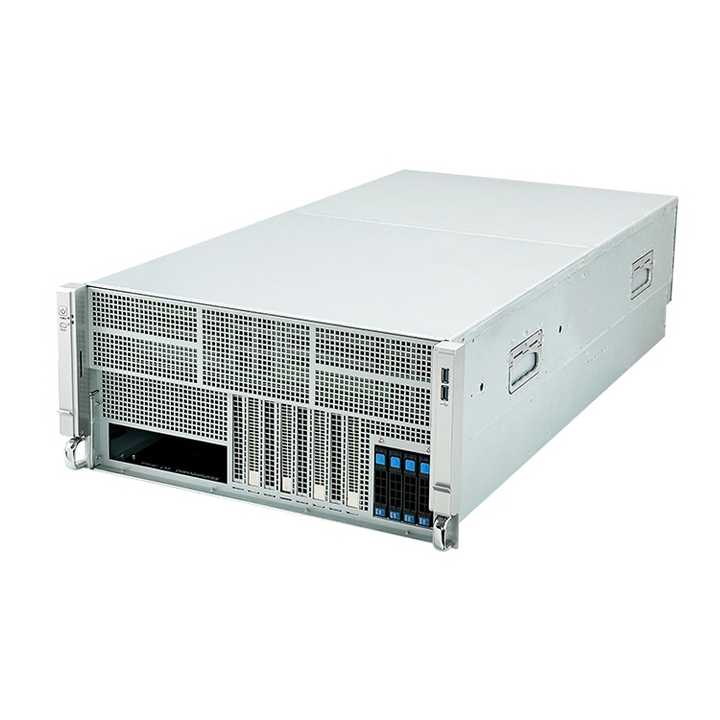
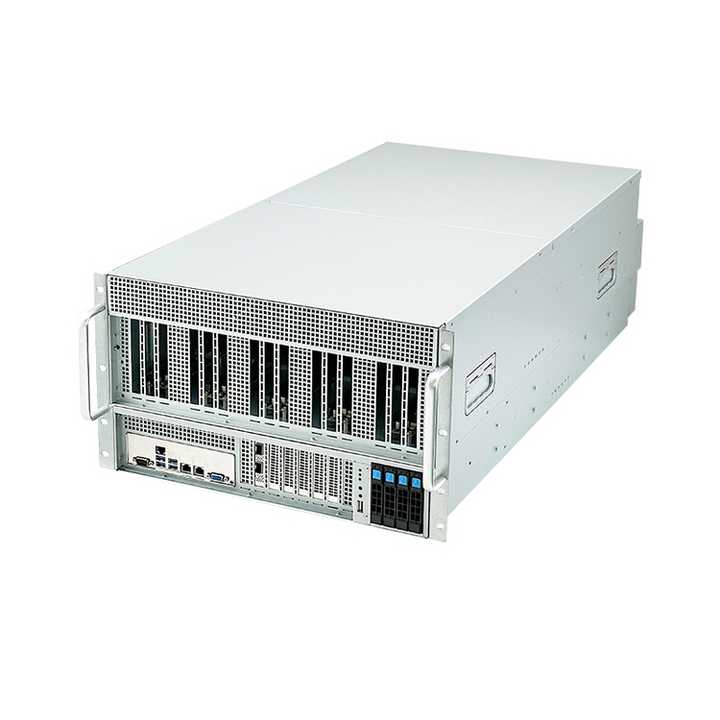
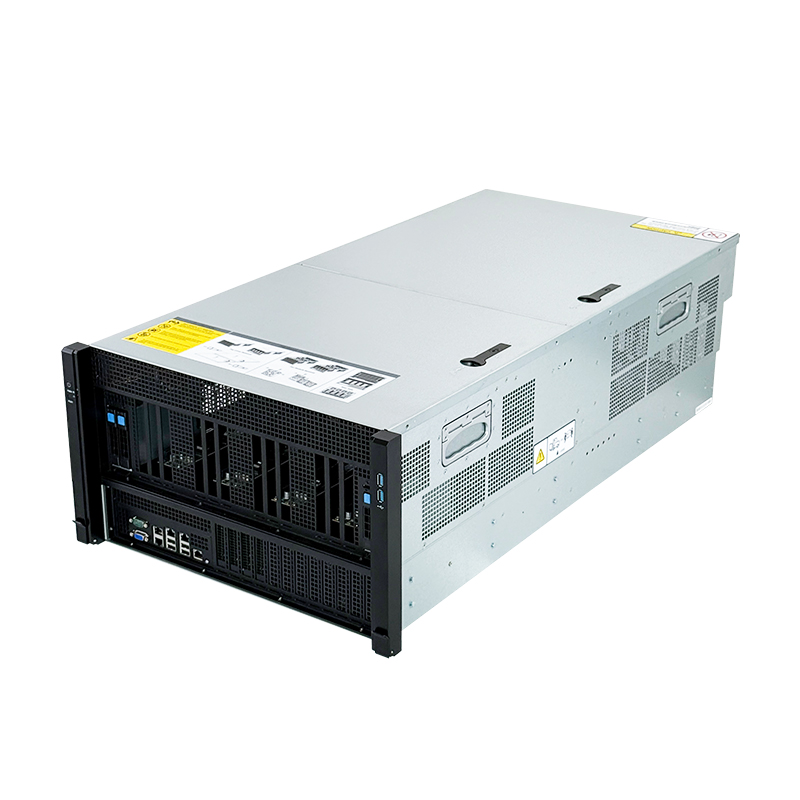
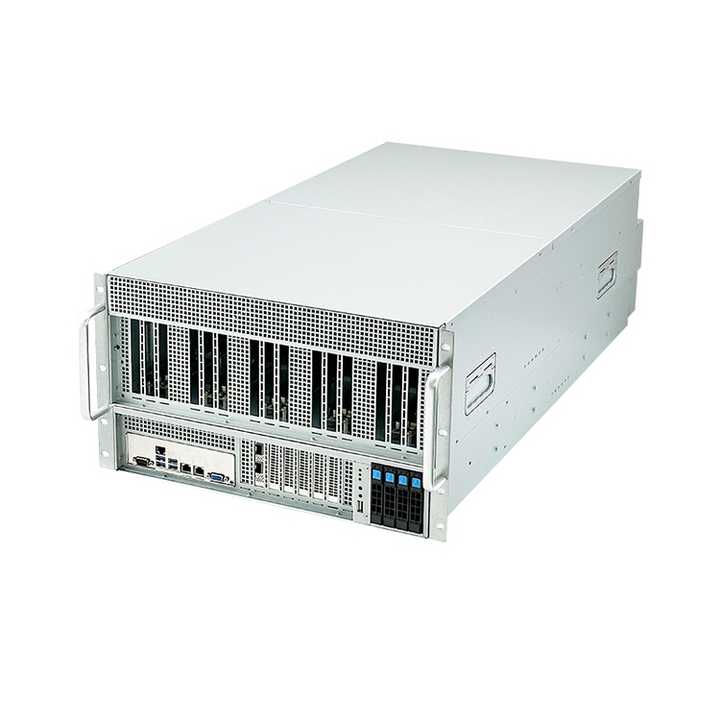
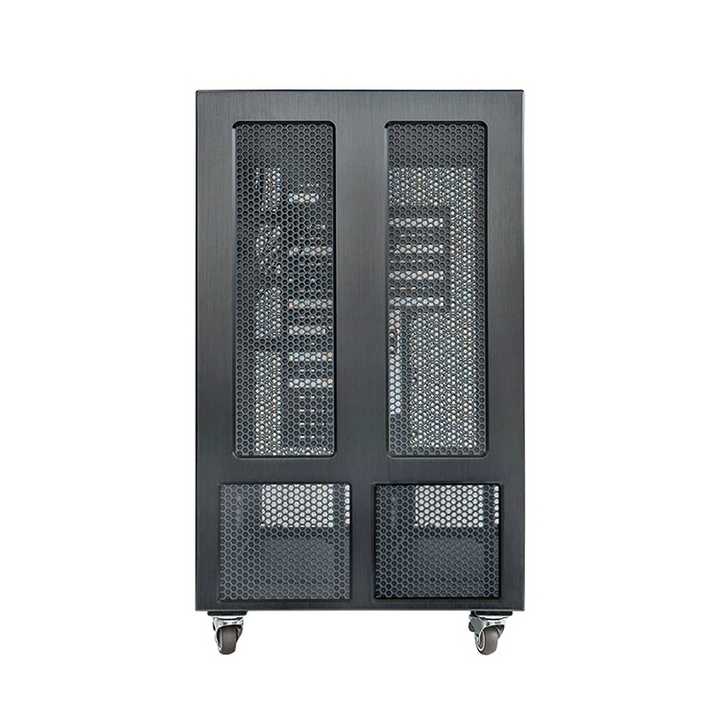
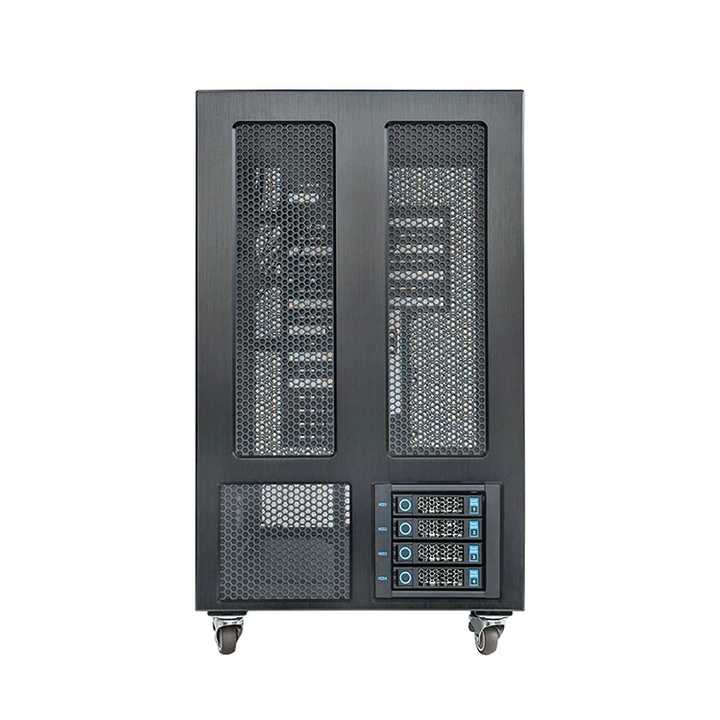
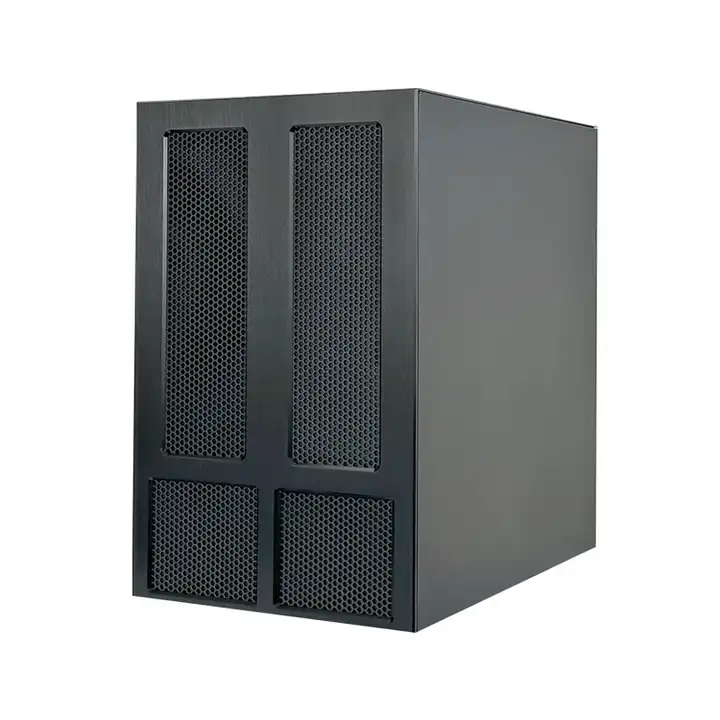
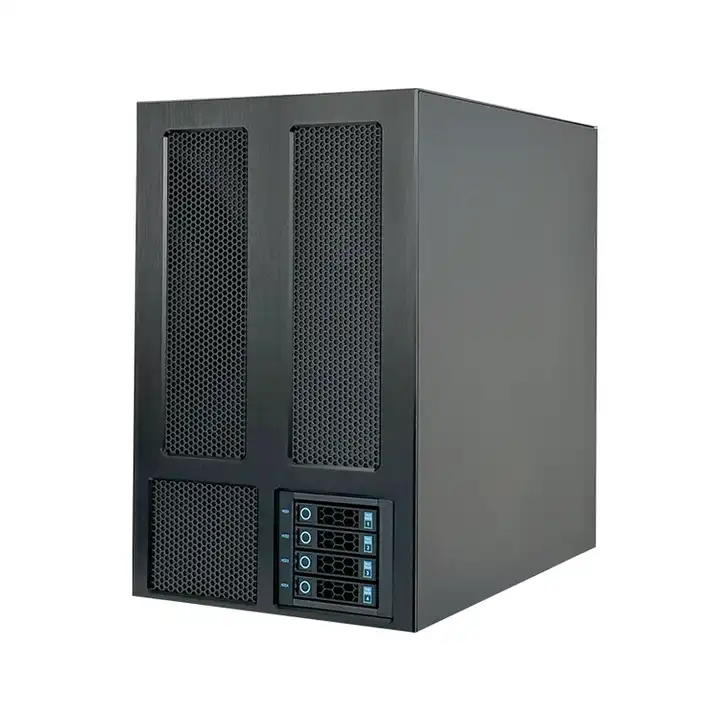
Scalable 8 GPU AI Server Systems for Dense Computing

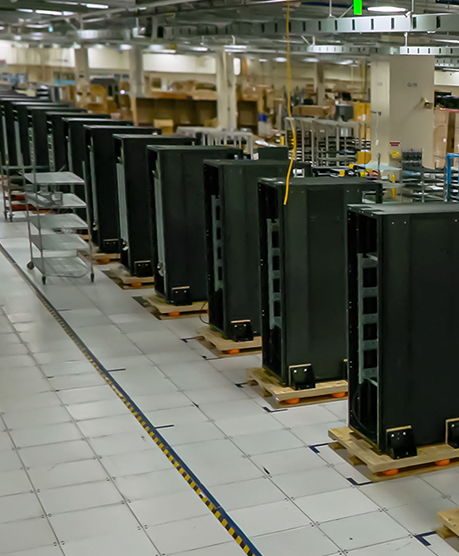
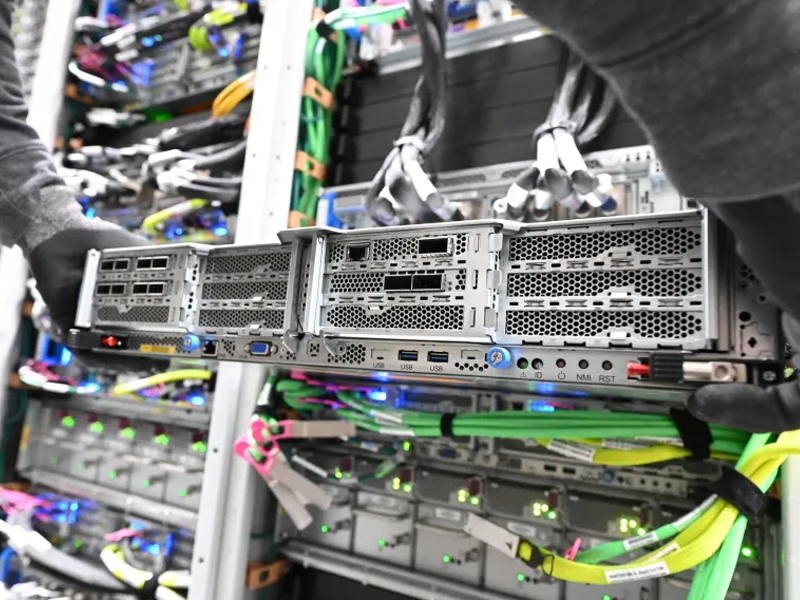
A GPU and AI computing chassis is a high-density enclosure built around multiple graphics processing units (GPUs), a central processing unit (CPU), high-wattage power supplies, advanced cooling, fast storage, and low-latency networking. It places more accelerated compute in each rack while preserving service access, thermal headroom, and expansion flexibility.

What Is a GPU & AI Server Chassis?

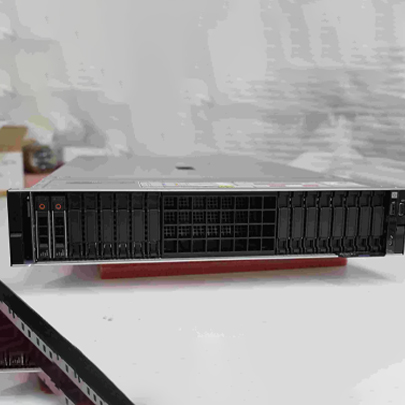
A GPU-focused enclosure is engineered around card spacing, airflow, power delivery, I/O, and structural support. A general-purpose server is designed for broader compute, storage, or virtualization needs. Accelerated systems concentrate more heat, power, and high-speed connectivity, so the complete platform requires specialized engineering.

GPU & AI Server Chassis

Evaluate the GPU platform, storage, networking, cooling, and power separately; physical fit is insufficient.

GPU & AI Server Chassis

GPU Server Case Category Product Key Parameters Comparison Table

Choose by deployment environment first, then verify motherboard size, power supplies, drive bays, expansion, cooling, rack depth, and cable routing. Build quality and serviceability matter because server infrastructure must stay protected and accessible.

Product Image Size (D×W×H mm) Material HDD Bays Backplane Cooling Mobo Support PSU PCIe Slots GPU Capacity Package (mm) Wt. Support Customization
4U GPU Server Chassis 800×447×177 1.0 mm SECC, Al alloy, Plastic 4×3.5″/2.5″ hot-swap SAS/SATA 12 Gb/s SAS, SGPIO 6×120×38 mm intelligent (15″×13″)/EATX/CEB/ATX/Micro-ATX 4+1 CRPS 11 full-height PCIe Up to 11 GPUs 1030×600×310 25 kg Yes
4U GPU Server Chassis 800×447×177 1.0 mm SECC, Al alloy, plastic 4×3.5″/2.5″ hot-swap SAS/SATA/NVMe 12 Gb/s SAS 6×120×38 mm intelligent (15″×13″)/EATX/CEB/ATX/Micro-ATX 4+1 CRPS 11 full-height PCIe Up to 11 GPUs 1030×600×310 25 kg Yes
5U GPU Server Chassis with 11 PCIe Slots 890×447×220 1.0 mm SECC, Al alloy, plastic 4×2.5″ hot-swap SATA 6 Gb/s SAS, SGPIO 6×120×38 mm intelligent EATX/CEB/ATX/Micro-ATX 4+1 CRPS 11 full-height PCIe Up to 11 GPUs 1120×600×360 30 kg Yes
5U GPU Server Chassis with 11 PCIe Slots 890×447×220 1.0 mm SECC, Al alloy, plastic 4×2.5″ hot-swap SATA 6 Gb/s SAS, SGPIO 6×120×38 mm intelligent EATX/CEB/ATX/Micro-ATX 4+1 CRPS 11 full-height PCIe Up to 11 GPUs 1130×610×370 30 kg Yes
6U GPU Server Chassis 860×447×265 1.0 mm SECC, Al alloy, plastic 4×2.5″ hot-swap SATA 6 Gb/s SAS, SGPIO 6×120×38 mm intelligent EATX/CEB/ATX/Micro-ATX 4+1 CRPS 8 half-height PCIe Up to 8 GPUs 1080×600×410 35 kg Yes
6U GPU Server Case 860×447×265 1.0 mm SECC, Al alloy, plastic 4×2.5″ hot-swap SATA 6 Gb/s SATA, SGPIO 6×120×38 mm + 4×80×38 mm (15″×13″)/EATX/CEB/ATX/Micro-ATX 4+1 CRPS 13 half-height PCIe Up to 13 GPUs 1080×600×410 35 kg Yes
6U GPU Server Chassis 860×447×265 1.0 mm SECC, Al alloy, plastic 4×2.5″ hot-swap SATA 6 Gb/s SAS, SGPIO 6×120×38 mm intelligent EATX/CEB/ATX/Micro-ATX 4+1 CRPS 8 half-height PCIe Up to 8 GPUs 1080×600×410 35 kg Yes
4U GPU Server Chassis 550×380×590 1.2 mm SGCC, 4 mm Al alloy - - Front:7×120×38Top:6×120×38Rear:2×92×25 (15″×13″)/EATX/CEB/ATX/Micro-ATX 2×ATX 7 full-height PCIe - 700×500×660 27 kg Yes
4U GPU Server Chassis 550×380×590 1.2 mm SGCC, 4 mm Al alloy 4×3.5″/2.5″ hot-swap SAS/SATA 12 Gb/s SAS Front:7×120×38Top:6×120×38Rear:2×92×25 (15″×13″)/EATX/CEB/ATX/Micro-ATX 2×ATX 7 full-height PCIe - 700×500×660 27 kg Yes
6U GPU Server Case 550×380×685 1.2 mm SGCC, 4 mm Al alloy 4×3.5″ or 7×2.5″ non-hot - Front:2×480 mm rad or 8×120 mmTop:1×360 mm rad + 3×120 mmRear:1×90 mm + 1×120 mm (15″×13″)/EATX/CEB/ATX/Micro-ATX 2×ATX 11 full-height PCIe 6×4090 cards 795×660×500 34 kg Yes
WS06A-2 6U GPU Server Case 550×380×685 1.2 mm SGCC, 4 mm Al alloy 4×3.5″/2.5″ hot-swap+ 4×3.5″ or 7×2.5″ non-hot SAS/SATA/NVMe Front:2×480 mm rad or 8×120 mmTop:1×360 mm rad + 3×120 mmRear:1×90 mm + 1×120 mm (15″×13″)/EATX/CEB/ATX/Micro-ATX 2×ATX 11 full-height PCIe 6×4090 cards 795×660×500 34 kg Yes

Which AI, Rendering, and HPC Tasks Does It Support?

These systems support AI workloads such as AI training, inference, machine learning, rendering, simulation, visualization, and high-performance computing (HPC) when the selected accelerator, software stack, memory, and interconnect match the application. They can address AI and HPC workloads, but the enclosure alone does not determine high performance or fit for a workload.

Candidates may include NVIDIA H100, Hopper-based H200, H200 NVL, B300, L40S, NVIDIA RTX PRO™ 6000 Blackwell Server Edition GPUs, AMD accelerator options, or Intel Data Center GPU Max Series. These third-party options require configuration validation. Video memory (VRAM) labels such as 96GB or 141GB describe specific models, not chassis capability. An RTX PRO 6000 Blackwell label requires SKU confirmation.

How Should You Validate GPU, CPU, Memory, and Storage Fit?

How Do Airflow and Power Design Affect Installation?

Validation covers card form factor, Peripheral Component Interconnect Express (PCIe) generation and lane allocation, CPU sockets, motherboard layout, memory channels and DIMM slots, storage backplanes, firmware, and power connectors. Mechanical fit does not prove safe operation or full throughput.

Dual AMD EPYC and Intel Xeon Scalable processor platforms differ in sockets, memory, and lanes. High core-count designs change cooling needs. An “8 PCIe” slot claim does not guarantee spacing or bifurcation. Document compatibility against the final bill of materials.

Cooling and power determine whether a dense GPU design can sustain its intended application inside a real rack. Airflow direction, fan pressure, inlet conditions, cable obstruction, liquid-loop architecture, supply redundancy, and facility power must be evaluated together before deployment.

Air cooling requires unobstructed front-to-back flow and adequate heat rejection. Liquid cooling adds facility, manifold, leak-management, and service requirements. Do not assume a 3000W or titanium power design; confirm PSU ratings, redundancy, and thermal limits.

How Do Storage and Network Fabrics Support Scaling?

Fast storage and networking keep GPUs supplied with data and connect nodes for larger jobs. Non-Volatile Memory Express (NVMe) reduces local storage latency, while fabric speed, topology, and software determine whether multi-node scaling delivers useful application throughput.

NVLink connects supported GPUs within certain platforms; InfiniBand can connect systems across a cluster. An HGX, PCIe-based, or scalable GPU platform may use different topologies. Validate switch capacity, NVMe drives, and bandwidth before attempting to scale AI.

What Are Chassis Guide Rails?

What GPU server chassis sizes does iSTONECASE offer?

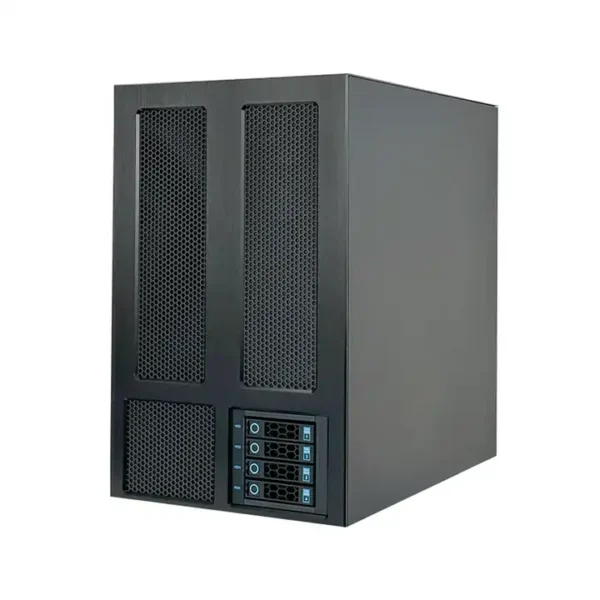
iSTONECASE currently presents 4U, 5U, and 6U GPU server case categories for different density, cooling, storage, and expansion requirements. The appropriate form factor depends on the selected motherboard, GPU layout, power architecture, and service-access needs.

Provide the GPU model, quantity, card dimensions, slot width, motherboard format, CPU platform, riser layout, storage requirements, and power-supply plan. Because PCIe spacing and internal layouts vary by model, iSTONECASE should confirm compatibility against the complete configuration before ordering.

Yes. iSTONECASE offers OEM and ODM services covering requirements consultation, chassis design, prototyping, customization, production, testing, logistics, and after-sales support. Customization may address enclosure dimensions, internal layout, cooling, storage, connector placement, branding, and production volume.

Available cooling arrangements depend on the selected chassis. iSTONECASE lists GPU cases with multiple high-airflow fan positions and models designed for radiator-based cooling. Buyers should confirm fan specifications, radiator clearances, airflow direction, heat load, and facility requirements during

Include your workload, preferred GPU models and quantity, motherboard, CPU platform, storage, networking, rack-depth limit, cooling method, power design, required ports, order quantity, and customization goals. This information helps iSTONECASE evaluate a standard product or prepare an OEM/ODM proposal.

Ready to Configure the Right GPU & AI Server Chassis?

Share your AI or HPC workload, GPU model and quantity, motherboard platform, storage, networking, rack depth, cooling method, and power requirements. iSTONECASE will evaluate component fit, airflow, expansion, and service access to recommend a suitable standard or custom chassis configuration.